Nursing practice questions with comprehensive rationales
NurseDive Free Nursing Practice Question
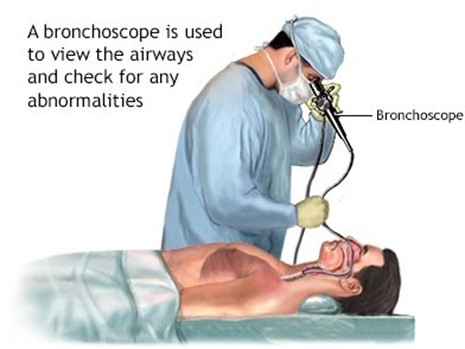
A nurse is teaching a client who will undergo a bronchoscopy procedure. The provider will use a rigid scope and general anesthesia. The nurse should explain that the client's neck will be in which of the following positions?
A. Hyperextended position
Hyperextended position, or backward bending of the neck, is the correct position for the client's neck during a bronchoscopy procedure with a rigid scope and general anesthesia. This position allows the provider to insert the scope through the mouth and into the trachea and bronchi, while avoiding injury to the teeth, tongue, or larynx. It also facilitates visualization of the airways and removal of foreign bodies or secretions.
B. Neutral position
Neutral position, or alignment of the head and neck with the spine, is not the correct position for the client's neck during a bronchoscopy procedure with a rigid scope and general anesthesia. This position may interfere with the insertion of the scope and cause damage to the oral structures or airways.
C. Extended position
Extended position, or forward bending of the neck, is not the correct position for the client's neck during a bronchoscopy procedure with a rigid scope and general anesthesia. This position may obstruct the airway and make it difficult for the provider to insert the scope and access the bronchi.
D. Flexed position
Flexed position, or downward bending of the neck, is not the correct position for the client's neck during a bronchoscopy procedure with a rigid scope and general anesthesia. This position may compress the airway and prevent adequate ventilation and oxygenation of the client.
This question is an excerpt from Nurse Dive's nursing test bank - ATI Med Surg Proctored Exam 1. Take the full exam now
Full Explanation
Hyperextended position, or backward bending of the neck, is the correct position for the client's neck during a bronchoscopy procedure with a rigid scope and general anesthesia. This position allows the provider to insert the scope through the mouth and into the trachea and bronchi, while avoiding injury to the teeth, tongue, or larynx. It also facilitates visualization of the airways and removal of foreign bodies or secretions.
b) Neutral position, or alignment of the head and neck with the spine, is not the correct position for the client's neck during a bronchoscopy procedure with a rigid scope and general anesthesia. This position may interfere with the insertion of the scope and cause damage to the oral structures or airways.
c) Extended position, or forward bending of the neck, is not the correct position for the client's neck during a bronchoscopy procedure with a rigid scope and general anesthesia. This position may obstruct the airway and make it difficult for the provider to insert the scope and access the bronchi.
d) Flexed position, or downward bending of the neck, is not the correct position for the client's neck during a bronchoscopy procedure with a rigid scope and general anesthesia. This position may compress the airway and prevent adequate ventilation and oxygenation of the client.
Similar Questions
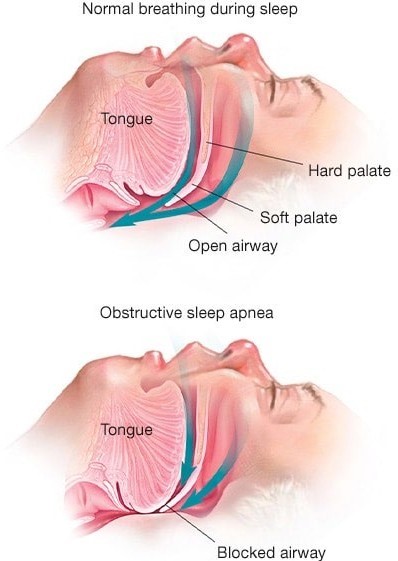
A nurse is teaching a client who is obese and has obstructive sleep apnea how to decrease the number of nightly apneic episodes. Which of the following client statements indicates an understanding of the teaching?
A. "If I could lose about 50 pounds, I might stop having so many apneic episodes."
This statement indicates an understanding of the teaching, as weight loss is one of the most effective ways to decrease the number of nightly apneic episodes in clients who are obese and have obstructive sleep apnea. Obstructive sleep apnea is a condition in which the upper airway collapses or becomes blocked during sleep, causing pauses in breathing and hypoxia. Obesity is a major risk factor for obstructive sleep apnea, as excess fat tissue around the neck and throat can narrow the airway and increase its collapsibility. Losing weight can reduce the pressure on the airway and improve its patency.
B. "I sleep better if I take a sleeping pill at night."
"I sleep better if I take a sleeping pill at night." This statement indicates a lack of understanding of the teaching, as sleeping pills are not recommended for clients who have obstructive sleep apnea. Sleeping pills can worsen the condition by relaxing the muscles of the throat and tongue, which can further obstruct the airway and decrease the arousal response to hypoxia. The nurse should advise the client to avoid sleeping pills and other sedatives or alcohol before bedtime.
C. "It might help if I tried sleeping only on my back."
"It might help if I tried sleeping only on my back." This statement indicates a lack of understanding of the teaching, as sleeping on the back is not helpful for clients who have obstructive sleep apnea. Sleeping on the back can increase the risk of airway obstruction by allowing gravity to pull the tongue and soft palate backward, which can block the airway and cause snoring and apnea. The nurse should suggest that the client try sleeping on the side or elevate the head of the bed to prevent this.
D. "I should get a humidifier to run at my bedside at night."
"I should get a humidifier to run at my bedside at night." This statement indicates a lack of understanding of the teaching, as a humidifier is not likely to decrease the number of nightly apneic episodes in clients who have obstructive sleep apnea. A humidifier can moisten the air and ease breathing for clients who have dry or irritated nasal passages, but it does not address the underlying cause of airway obstruction or hypoxia. The nurse should inform the client that a humidifier may not be effective for obstructive sleep apnea and may increase the risk of infection or mold growth if not cleaned properly.
Full Explanation
This statement indicates an understanding of the teaching, as weight loss is one of the most effective ways to decrease the number of nightly apneic episodes in clients who are obese and have obstructive sleep apnea. Obstructive sleep apnea is a condition in which the upper airway collapses or becomes blocked during sleep, causing pauses in breathing and hypoxia. Obesity is a major risk factor for obstructive sleep apnea, as excess fat tissue around the neck and throat can narrow the airway and increase its collapsibility. Losing weight can reduce the pressure on the airway and improve its patency.
b) "I sleep better if I take a sleeping pill at night." This statement indicates a lack of understanding of the teaching, as sleeping pills are not recommended for clients who have obstructive sleep apnea. Sleeping pills can worsen the condition by relaxing the muscles of the throat and tongue, which can further obstruct the airway and decrease the arousal response to hypoxia. The nurse should advise the client to avoid sleeping pills and other sedatives or alcohol before bedtime.
c) "It might help if I tried sleeping only on my back." This statement indicates a lack of understanding of the teaching, as sleeping on the back is not helpful for clients who have obstructive sleep apnea. Sleeping on the back can increase the risk of airway obstruction by allowing gravity to pull the tongue and soft palate backward, which can block the airway and cause snoring and apnea. The nurse should suggest that the client try sleeping on the side or elevate the head of the bed to prevent this.
d) "I should get a humidifier to run at my bedside at night." This statement indicates a lack of understanding of the teaching, as a humidifier is not likely to decrease the number of nightly apneic episodes in clients who have obstructive sleep apnea. A humidifier can moisten the air and ease breathing for clients who have dry or irritated nasal passages, but it does not address the underlying cause of airway obstruction or hypoxia. The nurse should inform the client that a humidifier may not be effective for obstructive sleep apnea and may increase the risk of infection or mold growth if not cleaned properly.
A nurse is giving a presentation at a community center about chronic bronchitis. Which of the following information should the nurse include as effective for preventing this disorder?
A. Regular moderate exercise
Regular moderate exercise is beneficial for preventing chronic bronchitis, but not as effective as smoking cessation. Exercise can improve cardiovascular and respiratory health, increase oxygen delivery to the tissues, and enhance immune function. However, exercise alone cannot reverse the damage caused by smoking or prevent further deterioration of the airways.
B. Maintenance of ideal weight
Maintenance of ideal weight is beneficial for preventing chronic bronchitis, but not as effective as smoking cessation. Maintaining a healthy weight can reduce the workload on the heart and lungs, prevent obesity-related complications, and improve self-esteem and well-being. However, weight management alone cannot restore the normal structure and function of the airways or prevent chronic inflammation and mucus production.
C. Annual influenza immunization
Annual influenza immunization is beneficial for preventing chronic bronchitis, but not as effective as smoking cessation. Influenza immunization can protect against viral infections that can trigger or exacerbate chronic bronchitis symptoms, such as fever, cough, wheezes, and dyspnea. However, influenza immunization cannot prevent other causes of chronic bronchitis, such as bacterial infections, environmental pollutants, or genetic factors.
D. Smoking cessation
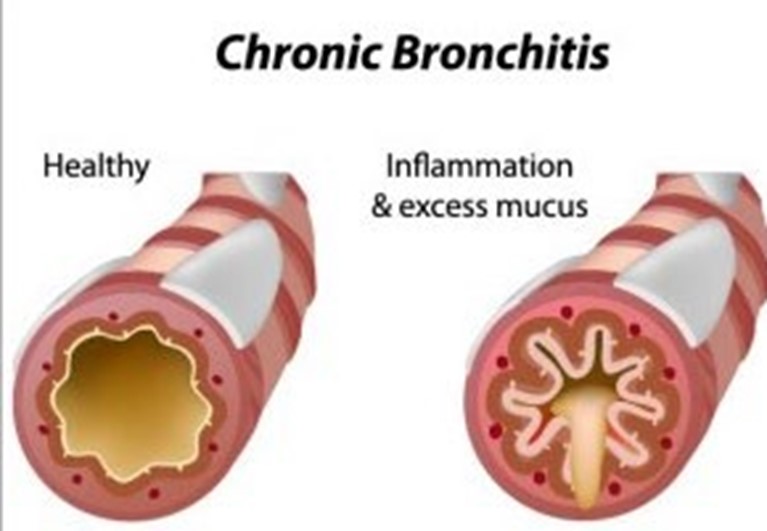
Smoking cessation is the most effective way to prevent chronic bronchitis, which is a type of chronic obstructive pulmonary disease (COPD) characterized by inflammation and excess mucus production in the bronchi. Smoking is the main cause of chronic bronchitis, as it damages the cilia and mucous membranes of the airways, leading to chronic cough, sputum, and infection. Quitting smoking can reduce the risk of developing or worsening chronic bronchitis and improve lung function and quality of life.
Full Explanation
Smoking cessation is the most effective way to prevent chronic bronchitis, which is a type of chronic obstructive pulmonary disease (COPD) characterized by inflammation and excess mucus production in the
bronchi. Smoking is the main cause of chronic bronchitis, as it damages the cilia and mucous membranes of the airways, leading to chronic cough, sputum, and infection. Quitting smoking can reduce the risk of developing or worsening chronic bronchitis and improve lung function and quality of life.
a) Regular moderate exercise is beneficial for preventing chronic bronchitis, but not as effective as smoking cessation. Exercise can improve cardiovascular and respiratory health, increase oxygen delivery to the tissues, and enhance immune function. However, exercise alone cannot reverse the damage caused by smoking or prevent further deterioration of the airways.
b) Maintenance of ideal weight is beneficial for preventing chronic bronchitis, but not as effective as smoking cessation. Maintaining a healthy weight can reduce the workload on the heart and lungs, prevent obesity-related complications, and improve self-esteem and well-being. However, weight management alone cannot restore the normal structure and function of the airways or prevent chronic inflammation and mucus production.
c) Annual influenza immunization is beneficial for preventing chronic bronchitis, but not as effective as smoking cessation. Influenza immunization can protect against viral infections that can trigger or exacerbate chronic bronchitis symptoms, such as fever, cough, wheezes, and dyspnea. However, influenza immunization cannot prevent other causes of chronic bronchitis, such as bacterial infections, environmental pollutants, or genetic factors.
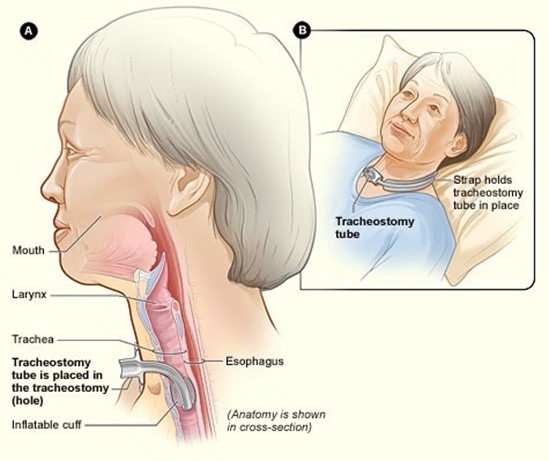
A nurse is caring for a client with a tracheostomy. The client's partner has been taught to perform suctioning. Which of the following actions by the partner should indicate to the nurse a readiness for the client's discharge?
A. Performing the procedure independently
Performing the procedure independently is the best indicator of the partner's readiness for the client's discharge, as it demonstrates competence and confidence in suctioning. Suctioning is a skill that requires practice and supervision until mastery is achieved. The nurse should observe and evaluate the partner's performance of suctioning and provide feedback and reinforcement as needed.
B. Attending a class given about tracheostomy care
Attending a class given about tracheostomy care is a good action by the partner, but not the best indicator of readiness for the client's discharge. Attending a class can provide information and education about tracheostomy care, but it does not necessarily translate into skill acquisition or application. The nurse should assess the partner's understanding and retention of the information and provide additional teaching or clarification as needed.
C. Verbalizing all steps in the procedure
Verbalizing all steps in the procedure is a good action by the partner, but not the best indicator of readiness for the client's discharge. Verbalizing all steps in the procedure can help the partner remember and follow the correct sequence and technique of suctioning, but it does not necessarily reflect actual performance or ability. The nurse should observe and verify that the partner is doing what they are saying and correct any errors or omissions as needed.
D. Asking appropriate questions about suctioning
Asking appropriate questions about suctioning is a good action by the partner, but not the best indicator of readiness for the client's discharge. Asking appropriate questions about suctioning can show interest and involvement in learning and caring for the client, but it does not necessarily indicate competence or confidence in suctioning. The nurse should answer the partner's questions and provide additional resources or referrals as needed.
Full Explanation
Performing the procedure independently is the best indicator of the partner's readiness for the client's discharge, as it demonstrates competence and confidence in suctioning. Suctioning is a skill that requires practice and supervision until mastery is achieved. The nurse should observe and evaluate the partner's performance of suctioning and provide feedback and reinforcement as needed.
b) Attending a class given about tracheostomy care is a good action by the partner, but not the best indicator of readiness for the client's discharge. Attending a class can provide information and education about tracheostomy care, but it does not necessarily translate into skill acquisition or application. The nurse should assess the partner's understanding and retention of the information and provide additional teaching or clarification as needed.
c) Verbalizing all steps in the procedure is a good action by the partner, but not the best indicator of readiness for the client's discharge. Verbalizing all steps in the procedure can help the partner remember and follow the correct sequence and technique of suctioning, but it does not necessarily reflect actual performance or ability. The nurse should observe and verify that the partner is doing what they are saying and correct any errors or omissions as needed.
d) Asking appropriate questions about suctioning is a good action by the partner, but not the best indicator of readiness for the client's discharge. Asking appropriate questions about suctioning can show interest and involvement in learning and caring for the client, but it does not necessarily indicate competence or confidence in suctioning. The nurse should answer the partner's questions and provide additional resources or referrals as needed.