
Nursing practice questions with comprehensive rationales
NurseDive Free Nursing Practice Question
A nurse is teaching a new mother about signs of effective breastfeeding of her newborn. Which of the following information should the nurse include in the teaching?
A. Expect your baby to feed constantly the first week of life.
This is incorrect because your baby does not need to feed constantly in the first week of life. Your baby should feed at least eight times in 24 hours but may have periods of cluster feeding where they feed more frequently for a few hours.
B. Your baby can lose 5% of body weight during the first 3 days of life.
Your baby can lose 5% of body weight during the first 3 days of life. This is a normal physiological process that happens as your baby adjusts to breastfeeding and expels excess fluids. Your baby should regain this weight by 10 to 14 days of age.
C. Expect your baby to have less than 5 wet diapers per day after the fourth day of life.
This is incorrect because your baby should have more than 5 wet diapers per day after the fourth day of life. This is a sign that your baby is getting enough milk and is well-hydrated.
D. Your baby should gain 0.25 oz (7 grams) per day after the fourth day of life.
This is incorrect because your baby should gain more than 0.25 oz (7 grams) per day after the fourth day of life. The average weight gain for a breastfed baby is about 0.5 to 1 oz (14 to 28 grams) per day in the first month.
This question is an excerpt from Nurse Dive's nursing test bank - Postpartum AMD Newborn Care Proctored Exam. Take the full exam now
Full Explanation
Your baby can lose 5% of body weight during the first 3 days of life. This is a normal physiological process that happens as your baby adjusts to breastfeeding and expels excess fluids. Your baby should regain this weight by 10 to 14 days of age.
Choice A is incorrect because your baby does not need to feed constantly in the first week of life. Your baby should feed at least eight times in 24 hours but may have periods of cluster feeding where they feed more frequently for a few hours.
Choice C is incorrect because your baby should have more than 5 wet diapers per day after the fourth day of life. This is a sign that your baby is getting enough milk and is well-hydrated.
Choice D is incorrect because your baby should gain more than 0.25 oz (7 grams) per day after the fourth day of life. The average weight gain for a breastfed baby is about 0.5 to 1 oz (14 to 28 grams) per day in the first month.
Similar Questions
The nurse is teaching a prenatal class and illustrating some of the basic events that will happen right after the birth. The nurse should point out which action will best help the infant maintain an adequate body temperature.
A. Turn the temperature up in the birth room.
This is not correct because turning up the temperature in the birth room may not be enough to prevent heat loss from the infant, especially if they are wet or exposed to cold surfaces. It may also make the mother uncomfortable or dehydrated.
B. Bathe the infant immediately after birth.
This is not correct because bathing the infant immediately after birth may increase heat loss from evaporation and conduction. It may also interfere with the baby's natural protective coating (vernix) and microbiome. Bathing should be delayed until at least 24 hours after birth.
C. Place the infant on the mother's abdomen after birth.
Place the infant on the mother's abdomen after birth. This will help the infant maintain an adequate body temperature by providing skin-to-skin contact with the mother, which reduces heat loss and promotes bonding. Skin-to-skin contact also stimulates the baby's natural feeding cues and helps initiate breastfeeding.
D. Wrap the infant in a warm, dry blanket.
This is not correct because wrapping the infant in a warm, dry blanket may not provide the same benefits as skin-to-skin contact with the mother. It may also prevent the baby from smelling and seeing the mother's breast, which are important cues for breastfeeding initiation.
Full Explanation
Place the infant on the mother's abdomen after birth. This will help the infant maintain an adequate body temperature by providing skin-to-skin contact with the mother, which reduces heat loss and promotes bonding. Skin-to-skin contact also stimulates the baby's natural feeding cues and helps initiate breastfeeding.
Choice A is not correct because turning up the temperature in the birth room may not be enough to prevent heat loss from the infant, especially if they are wet or exposed to cold surfaces. It may also make the mother uncomfortable or dehydrated.
Choice B is not correct because bathing the infant immediately after birth may increase heat loss from evaporation and conduction. It may also interfere with the baby's natural protective coating (vernix) and microbiome. Bathing should be delayed until at least 24 hours after birth.
Choice D is not correct because wrapping the infant in a warm, dry blanket may not provide the same benefits as skin-to-skin contact with the mother. It may also prevent the baby from smelling and seeing the mother's breast, which are important cues for breastfeeding initiation.
A nurse is caring for several newborn clients. For which of the following findings should the nurse notify the charge nurse?
A. Hematocrit of 60% in an infant who is 8-hr old.
This is wrong because a hematocrit of 60% in an infant who is 8-hr old is not abnormal. Hematocrit is the percentage of red blood cells in the blood. Newborns normally have higher hematocrit levels than older children and adults because they have more red blood cells at birth.
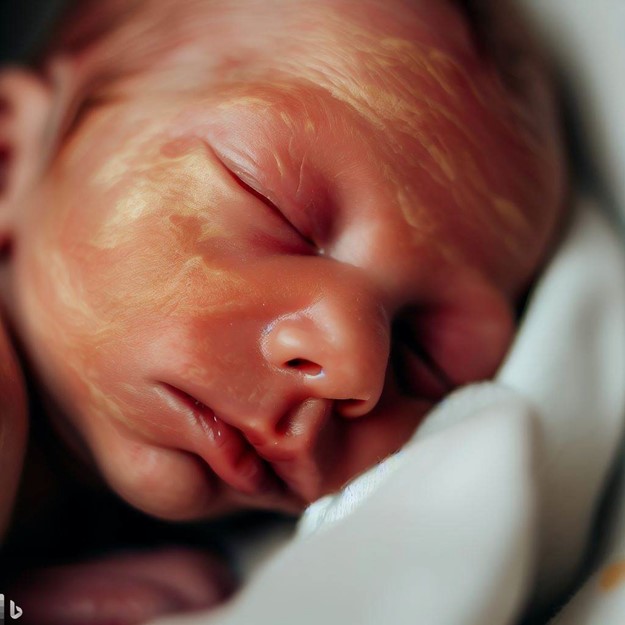
B. Jaundice in an infant who is 4-hr old.
Jaundice in an infant who is 4-hr old. This is because jaundice is a yellow discoloration of the skin and eyes caused by high levels of bilirubin in the blood¹. Jaundice usually appears between the second and fourth day after birth and lasts for one to two weeks². Jaundice that appears within the first 24 hours of life is considered early-onset jaundice and may indicate a serious problem, such as an infection, a blood type mismatch, or a liver disorder. The nurse should notify the charge nurse of this finding and request a blood test to check the bilirubin level.
C. Blood glucose fingerstick of 40 mg/dL for an infant who is 1-hr old.
This is wrong because a blood glucose fingerstick of 40 mg/dL for an infant who is 1-hr old is not abnormal. Blood glucose is the amount of sugar in the blood. Newborns normally have lower blood glucose levels than older children and adults because they have less glycogen (stored sugar) at birth.
D. Acrocyanosis in an infant who is 2-hr old.
This is wrong because acrocyanosis in an infant who is 2-hr old is not abnormal. Acrocyanosis is a bluish discoloration of the hands and feet caused by poor circulation. Newborns normally have acrocyanosis for the first few days of life because they are adjusting to the temperature outside the womb.
Full Explanation
Jaundice in an infant who is 4-hr old. This is because jaundice is a yellow discoloration of the skin and eyes caused by high levels of bilirubin in the blood. Jaundice usually appears between the second and fourth day after birth and lasts for one to two weeks. Jaundice that appears within the first 24 hours of life is considered early-onset jaundice and may indicate a serious problem, such as an infection, a blood type mismatch, or a liver disorder. The nurse should notify the charge nurse of this finding and request a blood test to check the bilirubin level.
Choice A is wrong because a hematocrit of 60% in an infant who is 8-hr old is not abnormal. Hematocrit is the percentage of red blood cells in the blood. Newborns normally have higher hematocrit levels than older children and adults because they have more red blood cells at birth.
Choice C is wrong because a blood glucose fingerstick of 40 mg/dL for an infant who is 1-hr old is not abnormal.
Blood glucose is the amount of sugar in the blood. Newborns normally have lower blood glucose levels than older children and adults because they have less glycogen (stored sugar) at birth.
Choice D is wrong because acrocyanosis in an infant who is 2-hr old is not abnormal. Acrocyanosis is a bluish discoloration of the hands and feet caused by poor circulation. Newborns normally have acrocyanosis for the first few days of life because they are adjusting to the temperature outside the womb.
The nurse is preparing to administer the vitamin K injection to a newborn. Which action would be correct for this client?
A. Using a 21 gauge needle.
This is wrong because a 21 gauge needle is too large for a newborn's muscle. A 25 or 27 gauge needle is more appropriate.
B. Injecting at a 45-degree angle.
This is wrong because injecting at a 45-degree angle may not reach the muscle tissue. A 90-degree angle is more appropriate.
C. Injecting 1cc of medication.
This is wrong because injecting 1cc of medication is too much for a newborn's muscle. The recommended dose of vitamin K is 0.5 to 1 mg, which is equivalent to 0.05 to 0.1 mL.
D. Injecting the medication into the vastus lateralis.
Injecting the medication into the vastus lateralis. This is because the vastus lateralis is a large muscle in the thigh that is suitable for intramuscular injections in newborns³. The vitamin K injection helps prevent vitamin K deficiency bleeding, which is a rare but serious condition that can cause bleeding in the brain or other organs¹. The American Academy of Pediatrics recommends that all newborns receive a single intramuscular dose of 0.5 to 1 mg of vitamin K within one hour of birth².
Full Explanation
Injecting the medication into the vastus lateralis. This is because the vastus lateralis is a large muscle in the thigh that is suitable for intramuscular injections in newborns³. The vitamin K injection helps prevent vitamin K deficiency bleeding, which is a rare but serious condition that can cause bleeding in the brain or other organs¹. The American Academy of Pediatrics recommends that all newborns receive a single intramuscular dose of 0.5 to 1 mg of vitamin K within one hour of birth².
Choice A is wrong because a 21 gauge needle is too large for a newborn's muscle. A 25 or 27 gauge needle is more appropriate.
Choice B is wrong because injecting at a 45-degree angle may not reach the muscle tissue. A 90-degree angle is more appropriate.
Choice C is wrong because injecting 1cc of medication is too much for a newborn's muscle. The recommended dose of vitamin K is 0.5 to 1 mg, which is equivalent to 0.05 to 0.1 mL.