
Nursing practice questions with comprehensive rationales
NurseDive Free Nursing Practice Question
The nurse is preparing to administer the vitamin K injection to a newborn. Which action would be correct for this client?
A. Using a 21 gauge needle.
This is wrong because a 21 gauge needle is too large for a newborn's muscle. A 25 or 27 gauge needle is more appropriate.
B. Injecting at a 45-degree angle.
This is wrong because injecting at a 45-degree angle may not reach the muscle tissue. A 90-degree angle is more appropriate.
C. Injecting 1cc of medication.
This is wrong because injecting 1cc of medication is too much for a newborn's muscle. The recommended dose of vitamin K is 0.5 to 1 mg, which is equivalent to 0.05 to 0.1 mL.
D. Injecting the medication into the vastus lateralis.
Injecting the medication into the vastus lateralis. This is because the vastus lateralis is a large muscle in the thigh that is suitable for intramuscular injections in newborns³. The vitamin K injection helps prevent vitamin K deficiency bleeding, which is a rare but serious condition that can cause bleeding in the brain or other organs¹. The American Academy of Pediatrics recommends that all newborns receive a single intramuscular dose of 0.5 to 1 mg of vitamin K within one hour of birth².
This question is an excerpt from Nurse Dive's nursing test bank - Postpartum AMD Newborn Care Proctored Exam. Take the full exam now
Full Explanation
Injecting the medication into the vastus lateralis. This is because the vastus lateralis is a large muscle in the thigh that is suitable for intramuscular injections in newborns³. The vitamin K injection helps prevent vitamin K deficiency bleeding, which is a rare but serious condition that can cause bleeding in the brain or other organs¹. The American Academy of Pediatrics recommends that all newborns receive a single intramuscular dose of 0.5 to 1 mg of vitamin K within one hour of birth².
Choice A is wrong because a 21 gauge needle is too large for a newborn's muscle. A 25 or 27 gauge needle is more appropriate.
Choice B is wrong because injecting at a 45-degree angle may not reach the muscle tissue. A 90-degree angle is more appropriate.
Choice C is wrong because injecting 1cc of medication is too much for a newborn's muscle. The recommended dose of vitamin K is 0.5 to 1 mg, which is equivalent to 0.05 to 0.1 mL.
Similar Questions
The nurse is visiting a new mother who has been home with a new infant for 4 days. Which observation indicates that the mother's home environment was inadequately assessed prior to being discharged from the hospital?
A. The baby sleeps with the mother in bed.
The baby sleeps with the mother in bed. This is because sleeping with the baby in the same bed increases the risk of sudden infant death syndrome (SIDS), suffocation, strangulation, and entrapment. The nurse should have assessed the mother’s sleeping arrangements for the baby and provided education on safe sleep practices before discharge. The nurse should advise the mother to place the baby on a firm surface, such as a crib or bassinet, in the same room but not in the same bed as the mother.
B. The windows are covered with screens.
This is wrong because having windows covered with screens is not a sign of inadequate home assessment. Screens can help prevent insects and other animals from entering the home and posing a health hazard.
C. The kitchen has a refrigerator.
This is wrong because having a refrigerator in the kitchen is not a sign of inadequate home assessment. A refrigerator can help store food and breast milk safely and prevent spoilage and contamination.
D. The baby has a changing area.
This is wrong because having a changing area for the baby is not a sign of inadequate home assessment. A changing area can help keep the baby clean and comfortable and prevent diaper rash and infection.
Full Explanation
The baby sleeps with the mother in bed. This is because sleeping with the baby in the same bed increases the risk of sudden infant death syndrome (SIDS), suffocation, strangulation, and entrapment. The nurse should have assessed the mother’s sleeping arrangements for the baby and provided education on safe sleep practices before discharge. The nurse should advise the mother to place the baby on a firm surface, such as a crib or bassinet, in the same room but not in the same bed as the mother.
Choice B is wrong because having windows covered with screens is not a sign of inadequate home assessment. Screens can help prevent insects and other animals from entering the home and posing a health hazard.
Choice C is wrong because having a refrigerator in the kitchen is not a sign of inadequate home assessment. A refrigerator can help store food and breast milk safely and prevent spoilage and contamination.
Choice D is wrong because having a changing area for the baby is not a sign of inadequate home assessment. A changing area can help keep the baby clean and comfortable and prevent diaper rash and infection.
A new mother of a newborn girl calls the clinic in a panic, concerned about the blood-tinged soiled diaper. What is the best response from the nurse?
A. This can be related to cleaning her perineal area. Be more careful.
This is wrong because the blood is not related to cleaning her perineal area. The nurse should not blame the mother for being careless.
B. The baby may have a problem. Let's schedule an appointment.
This is wrong because the baby does not need an appointment for this condition. The nurse should not alarm the mother unnecessarily.
C. If this continues, call us back. For now, just watch her.
This is wrong because the mother does not need to watch her baby for this condition. The nurse should not leave the mother in doubt or anxiety.
D. This can be from the sudden withdrawal of your hormones. It is not a cause for alarm.
This can be from the sudden withdrawal of your hormones. It is not a cause for alarm. This is because newborn female babies may have a little bloody vaginal discharge in their diapers due to the withdrawal of maternal hormones after delivery. This usually stops as the hormones return to normal levels. The nurse should reassure the mother that this is a normal and harmless phenomenon and does not require any treatment.
Full Explanation
This can be from the sudden withdrawal of your hormones. It is not a cause for alarm. This is because newborn female babies may have a little bloody vaginal discharge in their diapers due to the withdrawal of maternal hormones after delivery. This usually stops as the hormones return to normal levels. The nurse should reassure the mother that this is a normal and harmless phenomenon and does not require any treatment.
Choice A is wrong because the blood is not related to cleaning her perineal area. The nurse should not blame the mother for being careless.
Choice B is wrong because the baby does not need an appointment for this condition. The nurse should not alarm the mother unnecessarily.
Choice C is wrong because the mother does not need to watch her baby for this condition. The nurse should not leave the mother in doubt or anxiety.
The nurse is preparing the nursing care plan for a newborn who was born via cesarean delivery. Which diagnosis should the nurse prioritize?
A. Ineffective thermoregulation related to heat loss to the environment.
This is wrong because ineffective thermoregulation related to heat loss to the environment is not specific to cesarean delivery. All newborns are prone to heat loss due to their large surface area and thin skin. The nurse should maintain a warm and dry environment for the newborn and prevent exposure to cold surfaces.
B. Altered nutrition less than body requirement related to limited formula intake.
This is wrong because altered nutrition less than the body requirement related to limited formula intake is not specific to cesarean delivery. All newborns need adequate nutrition to support their growth and development. The nurse should monitor the intake and output of the newborn and assist with feeding as needed.
C. Altered urinary elimination related to post-circumcision status.
This is wrong because altered urinary elimination related to post- circumcision status is not specific to cesarean delivery. Circumcision is an elective procedure that may or may not be performed on male newborns. The nurse should provide wound care and pain relief for the circumcised newborn and observe for signs of infection or bleeding.
D. Ineffective airway clearance related to mucus and water secretions.
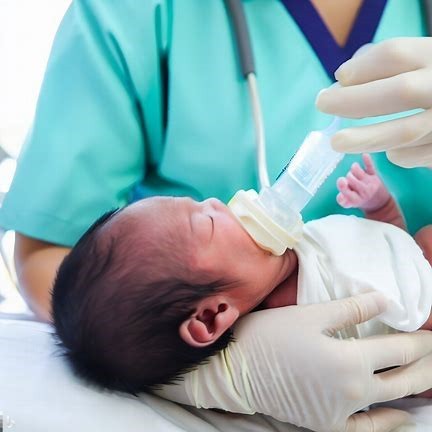
Ineffective airway clearance related to mucus and water secretions. This is because newborns who are born via cesarean delivery are at risk for respiratory distress due to the lack of compression of the chest during birth. This can result in retained mucus and fluid in the lungs that can interfere with breathing and oxygenation. The nurse should prioritize clearing the airway and monitoring the respiratory status of the newborn.
Full Explanation
Ineffective airway clearance related to mucus and water secretions. This is because newborns who are born via cesarean delivery are at risk for respiratory distress due to the lack of compression of the chest during birth. This can result in retained mucus and fluid in the lungs that can interfere with breathing and oxygenation. The nurse should prioritize clearing the airway and monitoring the respiratory status of the newborn.
Choice A is wrong because ineffective thermoregulation related to heat loss to the environment is not specific to cesarean delivery. All newborns are prone to heat loss due to their large surface area and thin skin. The nurse should maintain a warm and dry environment for the newborn and prevent exposure to cold surfaces.
Choice B is wrong because altered nutrition less than the body requirement related to limited formula intake is not specific to cesarean delivery. All newborns need adequate nutrition to support their growth and development. The nurse should monitor the intake and output of the newborn and assist with feeding as needed.
Choice C is wrong because altered urinary elimination related to post- circumcision status is not specific to cesarean delivery. Circumcision is an elective procedure that may or may not be performed on male newborns. The nurse should provide wound care and pain relief for the circumcised newborn and observe for signs of infection or bleeding.