
Nursing practice questions with comprehensive rationales
NurseDive Free Nursing Practice Question
A nurse is teaching the parents of a newborn how to care for their child's uncircumcised penis. Which of the following instructions should the nurse include?
A. "Retract the foreskin until you feel resistance.”
"Retract the foreskin until you feel resistance." This advice is not recommended for newborns with an uncircumcised penis. The foreskin of most male babies doesn't yet pull back (retract) fully at birth, and forcing it back can cause pain, bleeding, and possible damage.
B. "Use a cotton swab to clean under the foreskin.”
"Use a cotton swab to clean under the foreskin." This is not advisable for a newborn's uncircumcised penis. The foreskin is usually still attached to the glans and does not require any special cleaning inside. Using a cotton swab could potentially cause harm by forcing the foreskin back. .
C. "Apply petroleum jelly to the foreskin.”
"Apply petroleum jelly to the foreskin." This instruction is more applicable to a circumcised penis during the healing process to prevent the penis from sticking to the diaper. For an uncircumcised penis, there's no need to apply petroleum jelly as part of regular care.
D. "Wash the penis once per day with soap and water.”
"Wash the penis once per day with soap and water." This is the correct care for an uncircumcised penis. Parents should gently wash the genital area with mild soap and water during bath time without retracting the foreskin.
This question is an excerpt from Nurse Dive's nursing test bank - ATI Maternal Newborn Proctored Exam. Take the full exam now
Full Explanation
Choice A reason:
"Retract the foreskin until you feel resistance." This advice is not recommended for newborns with an uncircumcised penis. The foreskin of most male babies doesn't yet pull back (retract) fully at birth, and forcing it back can cause pain, bleeding, and possible damage.
Choice B reason:
"Use a cotton swab to clean under the foreskin." This is not advisable for a newborn's uncircumcised penis. The foreskin is usually still attached to the glans and does not require any special cleaning inside. Using a cotton swab could potentially cause harm by forcing the foreskin back.
Choice C reason:
"Apply petroleum jelly to the foreskin." This instruction is more applicable to a circumcised penis during the healing process to prevent the penis from sticking to the diaper. For an uncircumcised penis, there's no need to apply petroleum jelly as part of regular care.
Choice D reason:
"Wash the penis once per day with soap and water." This is the correct care for an uncircumcised penis. Parents should gently wash the genital area with mild soap and water during bath time without retracting the foreskin.
Similar Questions
A nurse is performing a vaginal exam on a client who is in active labor. The nurse notes the umbilical cord protruding through the cervix. Which of the following actions should the nurse take?
A. Administer oxytocin to the client via intravenous infusion.
Administering oxytocin to the client via intravenous infusion is not appropriate when the nurse notes an umbilical cord protruding through the cervix. The priority is to relieve pressure on the cord to prevent fetal compromise, and administering oxytocin could worsen the situation.
B. Apply oxygen at 2 L/min via nasal cannula.
Applying oxygen at 2 L/min via nasal cannula is not the priority when an umbilical cord prolapse is detected. The focus should be on relieving pressure on the cord and changing the client's position to alleviate the compression.
C. Prepare for insertion of an intrauterine pressure catheter.
Preparing for insertion of an intrauterine pressure catheter is not appropriate when there is an umbilical cord prolapse. The immediate concern is the potential compromise of fetal blood flow, and addressing the cord prolapse takes precedence over any other interventions.
D. Assist the client into the knee-chest position.
Assisting the client into the knee-chest position is the correct action when an umbilical cord prolapse is observed during a vaginal exam. This position helps to alleviate pressure on the cord by moving the presenting part of the fetus off the cord and can prevent further fetal distress until more definitive interventions can be performed.
Full Explanation
Choice A rationale:
Administering oxytocin to the client via intravenous infusion is not appropriate when the nurse notes an umbilical cord protruding through the cervix. The priority is to relieve pressure on the cord to prevent fetal compromise, and administering oxytocin could worsen the situation.
Choice B rationale:
Applying oxygen at 2 L/min via nasal cannula is not the priority when an umbilical cord prolapse is detected. The focus should be on relieving pressure on the cord and changing the client's position to alleviate the compression.
Choice C rationale:
Preparing for insertion of an intrauterine pressure catheter is not appropriate when there is an umbilical cord prolapse. The immediate concern is the potential compromise of fetal blood flow, and addressing the cord prolapse takes precedence over any other interventions.
Choice D rationale:
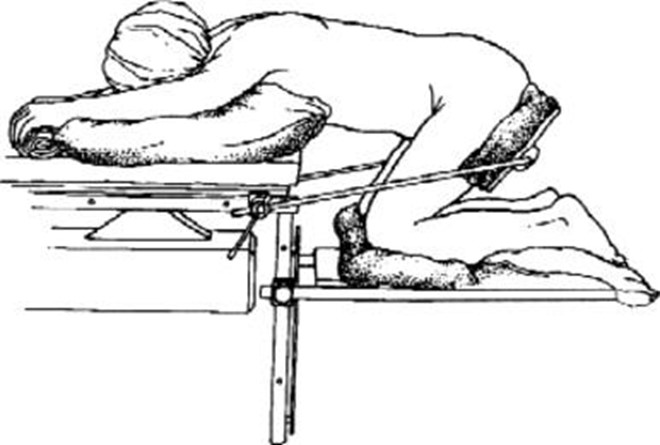
Assisting the client into the knee-chest position is the correct action when an umbilical cord prolapse is observed during a vaginal exam. This position helps to alleviate pressure on the cord by moving the presenting part of the fetus off the cord and can prevent further fetal distress until more definitive interventions can be performed.
A nurse providing dietary teaching for a client who is at 29 weeks of gestation and has phenylketonuria. Which of the following suggested foods should the nurse include in the teaching?
A. Peanut butter sandwich on wheat bread.
Peanut butter and wheat bread contain high levels of phenylalanine, which should be avoided in clients with phenylketonuria.
B. A sliced apple and red grapes.
A sliced apple and red grapes are low in phenylalanine and are safe choices for a client with phenylketonuria.
C. A chocolate chip cookie with a glass of skim milk.
Chocolate, cookies, and milk contain phenylalanine, making them unsuitable for the client.
D. A scrambled egg with cheddar cheese.
Eggs and cheese are high in phenylalanine and should be restricted in the diet.
Full Explanation
A. Peanut butter and wheat bread contain high levels of phenylalanine, which should be avoided in clients with phenylketonuria.
B. A sliced apple and red grapes are low in phenylalanine and are safe choices for a client with phenylketonuria.
C. Chocolate, cookies, and milk contain phenylalanine, making them unsuitable for the client.
D. Eggs and cheese are high in phenylalanine and should be restricted in the diet.
A nurse is assessing a newborn who is 48 hr old and has a maternal history of methadone use during pregnancy. Which of the following manifestations should the nurse identify as an indication of neonatal abstinence syndrome?
A. Hyporeactivity.
Hyporeactivity, or reduced responsiveness to stimuli, is not typically associated with neonatal abstinence syndrome (NAS) NAS is characterized by increased irritability and not reduced activity.
B. Excessive high-pitched cry.
An excessive high-pitched cry is a common manifestation of neonatal abstinence syndrome. Infants exposed to substances like methadone during pregnancy may experience heightened sensitivity and exhibit a high-pitched cry as a sign of withdrawal.
C. Acrocyanosis.
Acrocyanosis, a bluish discoloration of the hands and feet, is not a specific indicator of neonatal abstinence syndrome. It is a common finding in newborns and often resolves on its own.
D. Respiratory rate of 50/min.
A respiratory rate of 50/min is within the normal range for a newborn. It is not an indication of neonatal abstinence syndrome.
Full Explanation
Choice A rationale:
Hyporeactivity, or reduced responsiveness to stimuli, is not typically associated with neonatal abstinence syndrome (NAS) NAS is characterized by increased irritability and not reduced activity.
Choice B rationale:
An excessive high-pitched cry is a common manifestation of neonatal abstinence syndrome. Infants exposed to substances like methadone during pregnancy may experience heightened sensitivity and exhibit a high-pitched cry as a sign of withdrawal.
Choice C rationale:
Acrocyanosis, a bluish discoloration of the hands and feet, is not a specific indicator of neonatal abstinence syndrome. It is a common finding in newborns and often resolves on its own.
Choice D rationale:
A respiratory rate of 50/min is within the normal range for a newborn. It is not an indication of neonatal abstinence syndrome.