
Nursing practice questions with comprehensive rationales
NurseDive Free Nursing Practice Question
A nurse is working with community members to prepare for an external disaster. The nurse is assisting the community members to compile a list of basic supplies needed in the case of a disaster. Which of the following supplies should the nurse instruct the community members to include? (Select all that apply.)
A. Family possessions
While sentimental, family possessions may not be practical in the context of immediate disaster preparedness.
B. Matches
Matches are useful for creating fire, providing warmth, and cooking in emergency situations.
C. Clean clothing
Clean clothing is important for maintaining hygiene and protection from the elements.
D. Personal identification
Personal identification is crucial for identification, especially in situations where individuals may need to be evacuated or receive medical assistance.
E. Three quarts of water per person
Three quarts of water per person is essential for hydration and may be crucial in the absence of a clean water source during a disaster.
This question is an excerpt from Nurse Dive's nursing test bank - Dumund ATI comprehensive med surg proctored exam. Take the full exam now
Full Explanation
A. While sentimental, family possessions may not be practical in the context of immediate disaster preparedness.
B. Matches are useful for creating fire, providing warmth, and cooking in emergency situations.
C. Clean clothing is important for maintaining hygiene and protection from the elements.
D. Personal identification is crucial for identification, especially in situations where individuals may need to be evacuated or receive medical assistance.
E. Three quarts of water per person is essential for hydration and may be crucial in the absence of a clean water source during a disaster.
Similar Questions
A nurse is caring for a client who has acute osteomyelitis. The client asks the nurse to explain how she developed the infection. The nurse should respond that which of the following organisms is the most common cause?
A. Escherichia coli
While E. coli is a common cause of urinary tract infections and other gastrointestinal infections, it is not a typical pathogen associated with osteomyelitis.
B. Staphylococcus aureus
This bacterium is the most common cause of acute osteomyelitis, especially the methicillin-resistant Staphylococcus aureus (MRSA) strain.
C. Pseudomonas aeruginosa
Pseudomonas is more commonly associated with infections in immunocompromised individuals or those with chronic diseases, but it is not a typical cause of acute osteomyelitis.
D. Streptococcus B
Group B Streptococcus is not a common cause of acute osteomyelitis.Staphylococcus aureus, including MRSA, is more frequently implicated in bone infections.
Full Explanation
A. While E. coli is a common cause of urinary tract infections and other gastrointestinal infections, it is not a typical pathogen associated with osteomyelitis.
B. This bacterium is the most common cause of acute osteomyelitis, especially the methicillin-resistant Staphylococcus aureus (MRSA) strain.
C. Pseudomonas is more commonly associated with infections in immunocompromised individuals or those with chronic diseases, but it is not a typical cause of acute osteomyelitis.
D. Group B Streptococcus is not a common cause of acute osteomyelitis.
Staphylococcus aureus, including MRSA, is more frequently implicated in bone infections.
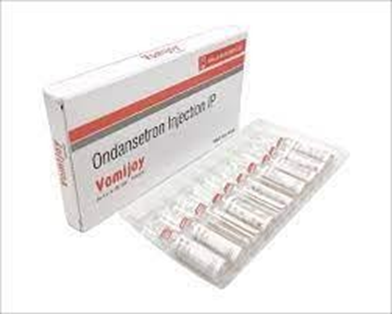
A nurse is preparing to administer ondansetron 4 mg IM stat. The amount available is ondansetron for injection 2 mg/mL. How many mL should the nurse administer? (Round the answer to the nearest whole number. Use a leading zero if it applies. Do not use a trailing zero.)
Full Explanation
To answer the question, the nurse should first calculate the dose of ondansetron in mL. The formula is:
Dose (mL) = Ordered dose (mg) / Available dose (mg/mL)
Plugging in the values, we get:
Dose (mL) = 4 mg / 2 mg/mL
Dose (mL) = 2 mL
A nurse is caring for a client who is at risk for shock. Which of the following findings should the nurse expect?
A. Bradycardia
Shock typically results in tachycardia as the body compensates for decreased perfusion.
B. Increased urine output
In shock, there is often decreased urine output due to decreased perfusion to the kidneys.
C. Hypotension
A hallmark sign of shock is low blood pressure as a result of inadequate tissue perfusion.
D. Hyperactive bowel sounds
Bowel sounds may be diminished rather than hyperactive in cases of shock.
Full Explanation
A. Shock typically results in tachycardia as the body compensates for decreased perfusion.
B. In shock, there is often decreased urine output due to decreased perfusion to the kidneys.
C. A hallmark sign of shock is low blood pressure as a result of inadequate tissue perfusion.
D. Bowel sounds may be diminished rather than hyperactive in cases of shock.