Nursing practice questions with comprehensive rationales
NurseDive Free Nursing Practice Question
A nurse notes that a client's serum potassium level is 6 mEq/L. The nurse interprets this as an expected finding in the client with which health problem?
A. Cushing's
Reason: Cushing's is not an expected health problem in a client with high potassium level, as it causes low potassium level due to excess cortisol and aldosterone production.
B. Diabetes insipidus
Reason: Diabetes insipidus is not an expected health problem in a client with high potassium level, as it causes low potassium level due to excessive water loss and dilution of blood.
C. Addison's
Reason: Addison's is an expected health problem in a client with high potassium level, as it causes high potassium level due to insufficient cortisol and aldosterone production.
D. Diarrhea
Reason: Diarrhea is not an expected health problem in a client with high potassium level, as it causes low potassium level due to excessive fluid and electrolyte loss.
This question is an excerpt from Nurse Dive's nursing test bank - ATI Med Surg Proctored Exam 3. Take the full exam now
Full Explanation
Choice A Reason: Cushing's is not an expected health problem in a client with high potassium level, as it causes low potassium level due to excess cortisol and aldosterone production.
Choice B Reason: Diabetes insipidus is not an expected health problem in a client with high potassium level, as it causes low potassium level due to excessive water loss and dilution of blood.
Choice C Reason: Addison's is an expected health problem in a client with high potassium level, as it causes high potassium level due to insufficient cortisol and aldosterone production.
Choice D Reason: Diarrhea is not an expected health problem in a client with high potassium level, as it causes low potassium level due to excessive fluid and electrolyte loss.
Similar Questions
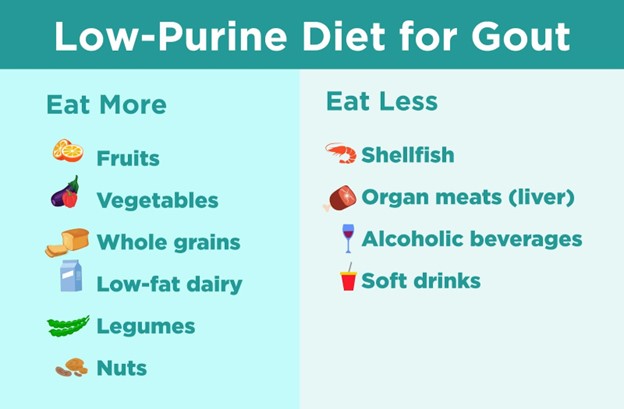
A nurse is reinforcing teaching for a client about following a low-purine diet to manage gout. Which of the following statements should the nurse identify as an indication that the client understands the instructions?
A. I'll drink white wine, not red.
Reason: Drinking white wine, not red, is not an indication that the client understands the instructions, as both types of wine are high in purine and may trigger gout attacks.
B. I'll limit the number of fruit servings I eat each day.
Reason: Limiting the number of fruit servings I eat each day is not an indication that the client understands the instructions, as most fruits are low in purine and may help to lower uric acid levels.
C. I'll avoid eating organ meats.
Reason: Avoiding eating organ meats is an indication that the client understands the instructions, as organ meats are very high in purine and may increase uric acid levels and cause gout flare-ups.
D. I'll choose red meat instead of poultry.
Reason: Choosing red meat instead of poultry is not an indication that the client understands the instructions, as both red meat and poultry are high in purine and may worsen gout symptoms.
Full Explanation
Choice A Reason: Drinking white wine, not red, is not an indication that the client understands the instructions, as both types of wine are high in purine and may trigger gout attacks.
Choice B Reason: Limiting the number of fruit servings I eat each day is not an indication that the client understands the instructions, as most fruits are low in purine and may help to lower uric acid levels.
Choice C Reason: Avoiding eating organ meats is an indication that the client understands the instructions, as organ meats are very high in purine and may increase uric acid levels and cause gout flare-ups.
Choice D Reason: Choosing red meat instead of poultry is not an indication that the client understands the instructions, as both red meat and poultry are high in purine and may worsen gout symptoms.
A nurse is monitoring a client who is receiving chemotherapy and has a platelet count of 20,000 mm3. Which of the following findings should the nurse identify as the priority?
A. Fatigue
Reason: Fatigue is not the priority finding for a client who has a low platelet count, as it may indicate other conditions such as anemia, infection, or depression.
B. Anorexia
Reason: Anorexia is not the priority finding for a client who has a low platelet count, as it may indicate other conditions such as nausea, pain, or anxiety.
C. Bleeding
Reason: Bleeding is the priority finding for a client who has a low platelet count, as it indicates that the client is at risk of hemorrhage and shock due to impaired blood clotting.
D. Fever
Reason: Fever is not the priority finding for a client who has a low platelet count, but it may indicate an infection that requires prompt treatment.
Full Explanation
Choice A Reason: Fatigue is not the priority finding for a client who has a low platelet count, as it may indicate other conditions such as anemia, infection, or depression.
Choice B Reason: Anorexia is not the priority finding for a client who has a low platelet count, as it may indicate other conditions such as nausea, pain, or anxiety.
Choice C Reason: Bleeding is the priority finding for a client who has a low platelet count, as it indicates that the client is at risk of hemorrhage and shock due to impaired blood clotting.
Choice D Reason: Fever is not the priority finding for a client who has a low platelet count, but it may indicate an infection that requires prompt treatment.
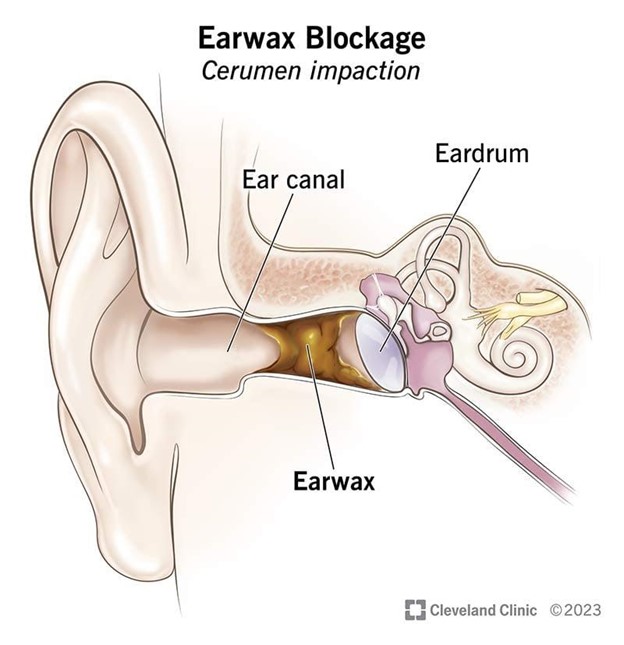
A nurse is caring for a client who complains that he feels as though his ear is blocked and tells the nurse that he has a history of cerumen impaction in the external ear. The nurse, inspecting the ears for cerumen impaction, checks for which finding?
A. The presence of edema in the external auditory canal
Reason: The presence of edema in the external auditory canal is not a sign of cerumen impaction, but it may indicate other conditions such as otitis externa or allergic reaction.
B. A yellowish or brownish waxy material in the external auditory canal
Reason: A yellowish or brownish waxy material in the external auditory canal is a sign of cerumen impaction, as it shows that there is excess or hardened earwax that blocks the ear canal.
C. Redness and swelling of the tympanic membrane
Reason: Redness and swelling of the tympanic membrane are not signs of cerumen impaction, but they may indicate other conditions such as otitis media or trauma.
D. An external auditory canal that is longer than normal
Reason: An external auditory canal that is longer than normal is not a sign of cerumen impaction, but it may be a normal variation or a result of aging.
Full Explanation
Choice A Reason: The presence of edema in the external auditory canal is not a sign of cerumen impaction, but it may indicate other conditions such as otitis externa or allergic reaction.
Choice B Reason: A yellowish or brownish waxy material in the external auditory canal is a sign of cerumen impaction, as it shows that there is excess or hardened earwax that blocks the ear canal.
Choice C Reason: Redness and swelling of the tympanic membrane are not signs of cerumen impaction, but they may indicate other conditions such as otitis media or trauma.
Choice D Reason: An external auditory canal that is longer than normal is not a sign of cerumen impaction, but it may be a normal variation or a result of aging.