Nursing practice questions with comprehensive rationales
NurseDive Free Nursing Practice Question
A nurse notices that a client who has moderate anxiety is pacing the hall and mumbling As the nurse approaches the client, he states, "I am at the end of my rope. I don't think I can take any more bad news." Which of the following responses should the nurse make?
A. "Most clients with anxiety issues benefit from lying down."
A- Encouraging the client to lie down assumes that all clients with anxiety benefit from this approach, which may not be the case for everyone.
B. "An antianxiety pill works best for situations like this."
B- Simply suggesting medication may not address the underlying concerns or provide an opportunity for the client to express themselves.
C. "Providers usually recommend relaxation exercises for clients who are as upset as you are."
C- While relaxation exercises can be beneficial for managing anxiety, suggesting them right away may not be the best response when the client is in a heightened state of distress.
D. "Come with me to an area where we can talk without interruption."
This response demonstrates a therapeutic and empathetic approach to the client's distress. By offering to talk in a private area without interruption, the nurse provides the client with a safe space to express their feelings and concerns. It also allows the nurse to conduct a more in-depth assessment of the client's current emotional state and any specific triggers contributing to their anxiety.
This question is an excerpt from Nurse Dive's nursing test bank - Fall 2022 N 517 Mental Health Proctored Exam 2. Take the full exam now
Full Explanation
This response demonstrates a therapeutic and empathetic approach to the client's distress. By offering to talk in a private area without interruption, the nurse provides the client with a safe space to express their feelings and concerns. It also allows the nurse to conduct a more in-depth assessment of the client's current emotional state and any specific triggers contributing to their anxiety.
A- Encouraging the client to lie down assumes that all clients with anxiety benefit from this approach, which may not be the case for everyone.
B- Simply suggesting medication may not address the underlying concerns or provide an opportunity for the client to express themselves.
C- While relaxation exercises can be beneficial for managing anxiety, suggesting them right away may not be the best response when the client is in a heightened state of distress.
Similar Questions
A nurse is admitting a client who has multiple injuries following a motor vehicle crash. Shortly after admission, the client's partner distraught and blames himself for the accident. Which of the following responses should the nurse make?
A. "Do not worry about that. Your wife will be fine."
Dismissing the client's concerns and redirecting the conversation to their partner's condition (Option A) may invalidate the client's feelings and prevent them from processing their own emotions.
B. "I think you should calm down a little before you see your partner."
Telling the client to calm down (Option B) may come across as dismissive and insensitive.
C. "Why do you think the crash is your fault?"
Asking the client why they think the crash is their fault (Option C) may put the client on the defensive and hinder open communication. The best approach is to actively listen to the client's concerns and create a supportive environment for them to share their feelings.
D. "Tell me more about your feelings about what happened to your partner."
This response acknowledges the client's distress and invites them to share their thoughts and feelings about the situation. It shows empathy and demonstrates active listening, allowing the nurse to gather more information about the client's emotional state and concerns. By giving the client an opportunity to express themselves, the nurse can provide appropriate support and address any guilt or self-blame the client may be experiencing.
Full Explanation
This response acknowledges the client's distress and invites them to share their thoughts and feelings about the situation. It shows empathy and demonstrates active listening, allowing the nurse to gather more information about the client's emotional state and concerns. By giving the client an opportunity to express themselves, the nurse can provide appropriate support and address any guilt or self-blame the client may be experiencing.
Dismissing the client's concerns and redirecting the conversation to their partner's condition (Option A) may invalidate the client's feelings and prevent them from processing their own emotions.
Telling the client to calm down (Option B) may come across as dismissive and insensitive.
Asking the client why they think the crash is their fault (Option C) may put the client on the defensive and hinder open communication. The best approach is to actively listen to the client's concerns and create a supportive environment for them to share their feelings.
A nurse is caring for a client who reports acute, moderate anxiety. Which of the following is the priority nursing action?
A. Instruct the client to remember past coping mechanisms.
While the other options are also beneficial interventions for managing anxiety, they are not the priority in this situation. Instructing the client to remember past coping mechanisms (Option A) can be helpful, but the immediate presence of the nurse is more important to provide immediate support.
B. Provide a diverting activity.
Providing a diverting activity (Option B) can be beneficial to distract the client from their anxiety, but it does not address the underlying anxiety or provide direct support.
C. Encourage verbalization of feelings.
Encouraging verbalization of feelings (Option C) is important for therapeutic communication, but it may not be the initial priority when the client is experiencing acute anxiety.
D. Remain with the client.
By remaining with the client, the nurse provides a sense of support and security. This presence can help alleviate the client's anxiety and provide reassurance. It also ensures that the nurse is available to assess the client's condition, offer therapeutic communication, and intervene if the anxiety escalates or the client becomes overwhelmed.
Full Explanation
By remaining with the client, the nurse provides a sense of support and security. This presence can help alleviate the client's anxiety and provide reassurance. It also ensures that the nurse is available to assess the client's condition, offer therapeutic communication, and intervene if the anxiety escalates or the client becomes overwhelmed.
While the other options are also beneficial interventions for managing anxiety, they are not the priority in this situation. Instructing the client to remember past coping mechanisms (Option A) can be helpful, but the immediate presence of the nurse is more important to provide immediate support.
Providing a diverting activity (Option B) can be beneficial to distract the client from their anxiety, but it does not address the underlying anxiety or provide direct support.
Encouraging verbalization of feelings (Option C) is important for therapeutic communication, but it may not be the initial priority when the client is experiencing acute anxiety.
A nurse is teaching a community education course about the physical complications related to substance use disorder. Which of the following findings should the nurse include in the discussion as a health risk of heroin use?
A. Nasal septum perforation
A- Nasal septum perforation is commonly associated with the use of cocaine, not heroin.
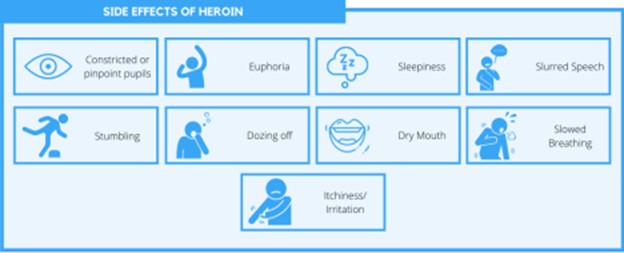
B. Slowed breathing
Heroin is an opioid drug that depresses the central nervous system, which can lead to respiratory depression. This means that heroin can slow down a person's breathing rate, potentially leading to shallow breathing or even stopping of breathing altogether. This is a life-threatening complication and one of the most significant dangers of heroin use.
C. Acute pancreatitis
C- Acute pancreatitis is not a commonly reported complication of heroin use.
D. Permanent short-term memory loss
D- Permanent short-term memory loss is not a specific complication of heroin use, though chronic substance abuse can lead to cognitive impairments and memory problems in general.
Full Explanation
Heroin is an opioid drug that depresses the central nervous system, which can lead to respiratory depression. This means that heroin can slow down a person's breathing rate, potentially leading to shallow breathing or even stopping of breathing altogether. This is a life-threatening complication and one of the most significant dangers of heroin use.
The other options listed are associated with other substances or conditions:
A- Nasal septum perforation is commonly associated with the use of cocaine, not heroin.
C- Acute pancreatitis is not a commonly reported complication of heroin use.
D- Permanent short-term memory loss is not a specific complication of heroin use, though chronic substance abuse can lead to cognitive impairments and memory problems in general.