
Nursing practice questions with comprehensive rationales
NurseDive Free Nursing Practice Question
A nurse on an inpatient mental health unit is admitting a client who has panic-level anxiety. After showing the client to his room, which of the following nursing actions is most therapeutic at this time?
A. Have the client join a therapy group.
A- Having the client join a therapy group may be overwhelming and may not be suitable during the acute phase of panic-level anxiety.
B. Suggest that the client rest in bed.
B- Suggesting that the client rest in bed may not address their immediate anxiety and may not be feasible if the client is experiencing intense anxiety symptoms.
C. Remain with the client for a while.
Remaining with the client provides them with a sense of security, reassurance, and support. It shows the client that they are not alone and that the nurse is there to provide assistance and care. By being present and offering a calming presence, the nurse can help the client feel more at ease and gradually reduce their anxiety.
D. Medicate the client with a sedative.
D- Medicating the client with a sedative should be done based on a healthcare provider's order and assessment of the client's condition. It is not the initial therapeutic intervention and should only be considered if other non-medication interventions are ineffective or if the client's anxiety becomes severe and unmanageable.
This question is an excerpt from Nurse Dive's nursing test bank - Fall 2022 N 517 Mental Health Proctored Exam 2. Take the full exam now
Full Explanation
Remaining with the client provides them with a sense of security, reassurance, and support. It shows the client that they are not alone and that the nurse is there to provide assistance and care. By being present and offering a calming presence, the nurse can help the client feel more at ease and gradually reduce their anxiety.
It's important to note that the other options are not the most appropriate actions in this situation:
A- Having the client join a therapy group may be overwhelming and may not be suitable during the acute phase of panic-level anxiety.
B- Suggesting that the client rest in bed may not address their immediate anxiety and may not be feasible if the client is experiencing intense anxiety symptoms.
D- Medicating the client with a sedative should be done based on a healthcare provider's order and assessment of the client's condition. It is not the initial therapeutic intervention and should only be considered if other non-medication interventions are ineffective or if the client's anxiety becomes severe and unmanageable.
Similar Questions
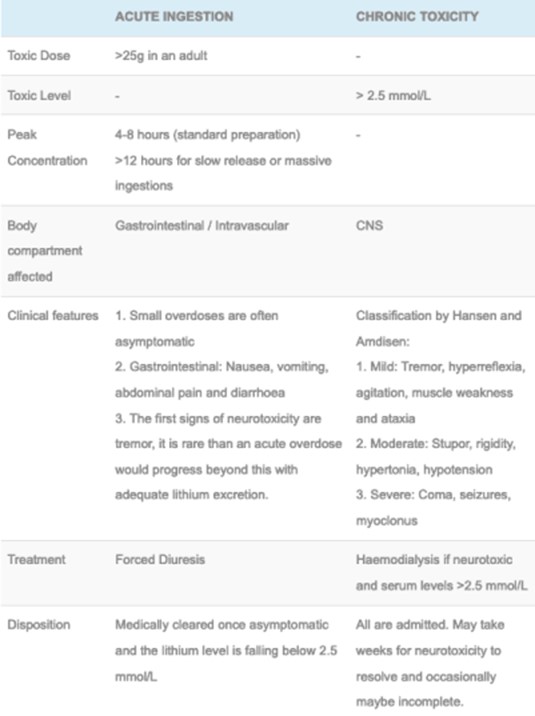
A nurse is providing discharge teaching to a client who has bipolar disorder and will be discharged with a prescription for lithium. The nurse should teach the client that which of the following factors puts her at risk for lithium toxicity?
A. The client runs 4 miles outdoors every afternoon.
This is correct. Intense physical activity, especially in hot weather, can lead to dehydration and sodium loss through sweat, both of which can increase the risk of lithium toxicity.
B. The client drinks 2 liters of liquids daily.
Adequate fluid intake helps maintain a stable lithium level and is generally recommended to reduce the risk of toxicity.
C. The client eats 2 to 3 gm of sodium-containing foods daily.
A consistent intake of sodium helps maintain stable lithium levels. Significant changes in sodium intake, rather than a stable intake, would be more concerning.
D. The client eats foods high in tyramine.
Tyramine-rich foods are a concern for clients taking MAO inhibitors, not lithium. Therefore, this is not relevant to lithium toxicity.
Full Explanation
A. The client runs 4 miles outdoors every afternoon. This is correct. Intense physical activity, especially in hot weather, can lead to dehydration and sodium loss through sweat, both of which can increase the risk of lithium toxicity.
B. The client drinks 2 liters of liquids daily. Adequate fluid intake helps maintain a stable lithium level and is generally recommended to reduce the risk of toxicity.
C. The client eats 2 to 3 gm of sodium-containing foods daily. A consistent intake of sodium helps maintain stable lithium levels. Significant changes in sodium intake, rather than a stable intake, would be more concerning.D. The client eats foods high in tyramine. Tyramine-rich foods are a concern for clients taking MAO inhibitors, not lithium. Therefore, this is not relevant to lithium toxicity.
A charge nurse is providing teaching to a staff nurse about assisting the provider with electroconvulsive therapy (ECT). Which of the following responses by the staff nurse indicates understanding of the teaching?
A. "ECT is an effective treatment for personality disorders."
A- "ECT is an effective treatment for personality disorders." While ECT may be used in certain cases of severe mental illness, it is not primarily indicated for personality disorders.
B. "It is a myth that clients experience seizures during ECT."
B- "It is a myth that clients experience seizures during ECT." Seizures are a common and expected effect of ECT. ECT involves the induction of controlled seizures under anesthesia.
C. "Informed consent should be obtained prior to ECT."
Obtaining informed consent is a crucial step before administering electroconvulsive therapy (ECT). Informed consent ensures that the client is fully informed about the procedure, its potential risks and benefits, and any alternative treatments available. It allows the client to make an autonomous decision regarding their treatment.
D. "should monitor the client closely for hypotension following ECT."
D- "Should monitor the client closely for hypotension following ECT." While monitoring the client for various physiological changes is important, hypotension is not a primary concern following ECT. The nurse would typically monitor for potential adverse effects such as confusion, memory loss, headache, and muscle soreness.
Full Explanation
Obtaining informed consent is a crucial step before administering electroconvulsive therapy (ECT). Informed consent ensures that the client is fully informed about the procedure, its potential risks and benefits, and any alternative treatments available. It allows the client to make an autonomous decision regarding their treatment.
The other responses are not accurate:
A- "ECT is an effective treatment for personality disorders." While ECT may be used in certain cases of severe mental illness, it is not primarily indicated for personality disorders.
B- "It is a myth that clients experience seizures during ECT." Seizures are a common and expected effect of ECT. ECT involves the induction of controlled seizures under anesthesia.
D- "Should monitor the client closely for hypotension following ECT." While monitoring the client for various physiological changes is important, hypotension is not a primary concern following ECT. The nurse would typically monitor for potential adverse effects such as confusion, memory loss, headache, and muscle soreness.
A charge nurse is discussing suicide interventions with nursing staff. Which of the following should the nurse identify as an example of secondary intervention?
A. Recognizing the warning signs of suicide
A- Recognizing the warning signs of suicide: This is an example of primary intervention, which focuses on preventing suicidal behavior before it occurs by raising awareness, promoting mental health, and identifying risk factors and warning signs.
B. Identifying individuals who are at higher risk for attempting suicide
B- Identifying individuals who are at higher risk for attempting suicide: This is also an example of primary intervention, as it involves assessing and identifying individuals who may be at greater risk for suicidal behavior and implementing preventive measures.
C. Performing life-saving measures following a suicide attempt
Secondary interventions are aimed at reducing the harm or preventing further complications in individuals who have already engaged in suicidal behavior. In this case, performing life-saving measures after a suicide attempt, such as cardiopulmonary resuscitation (CPR) or administering first aid, falls under the category of secondary intervention.
D. Providing support for family and friends following a suicide
D- Providing support for family and friends following a suicide: This is an example of tertiary intervention, which aims to provide support and care to those who have been affected by a suicide, including family and friends. Tertiary interventions focus on postvention, addressing the aftermath and providing support for survivors.
Full Explanation
Secondary interventions are aimed at reducing the harm or preventing further complications in individuals who have already engaged in suicidal behavior. In this case, performing life-saving measures after a suicide attempt, such as cardiopulmonary resuscitation (CPR) or administering first aid, falls under the category of secondary intervention.
The other options are examples of primary and tertiary interventions:
A- Recognizing the warning signs of suicide: This is an example of primary intervention, which focuses on preventing suicidal behavior before it occurs by raising awareness, promoting mental health, and identifying risk factors and warning signs.
B- Identifying individuals who are at higher risk for attempting suicide: This is also an example of primary intervention, as it involves assessing and identifying individuals who may be at greater risk for suicidal behavior and implementing preventive measures.
D- Providing support for family and friends following a suicide: This is an example of tertiary intervention, which aims to provide support and care to those who have been affected by a suicide, including family and friends. Tertiary interventions focus on postvention, addressing the aftermath and providing support for survivors.