Nursing practice questions with comprehensive rationales
NurseDive Free Nursing Practice Question
A nurse working in a long-term care facility is assigned to care for four clients following the 0700 morning change-of-shift report. Which of the following clients should the nurse attend to first?
A. A client who has bronchitis, began receiving antibiotics yesterday and has a temperature of 38.3°C (101°F).
Option A may require attention, but the client's condition is stable and they are receiving treatment.
B. A client who has COPD and has an oxygen saturation of 90%.
Option B may also require attention, but an oxygen saturation of 90% is within an acceptable range for a client with COPD.
C. A client who has Alzheimer's and was restless during the night.
Option C may also require attention, but the client's restlessness during the night does not indicate an immediate need for intervention.
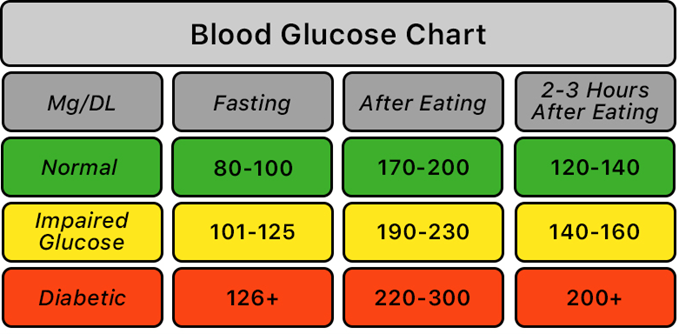
D. A client who has diabetes and had a 0600 blood glucose level of 60 mg/dL.
Of the four clients described, the nurse should attend to the client who has diabetes and had a 0600 blood glucose level of 60 mg/dL first. This client's blood glucose level is low and requires immediate intervention to prevent further complications.
This question is an excerpt from Nurse Dive's nursing test bank - ATI PN Medical Surgical Leadership Proctored Exam. Take the full exam now
Full Explanation
Of the four clients described, the nurse should attend to the client who has diabetes and had a 0600 blood glucose level of 60 mg/dL first. This client's blood glucose level is low and requires immediate intervention to prevent further complications.
Option A may require attention, but the client's condition is stable and they are receiving treatment.
Option B may also require attention, but an oxygen saturation of 90% is within an acceptable range for a client with COPD.
Option C may also require attention, but the client's restlessness during the night does not indicate an immediate need for intervention.
Similar Questions
A nurse is reinforcing teaching with a group of newly licensed nurses about completing an incident report. For which of the following situations should the nurse complete an incident report?
A. A client decides not to have a colonoscopy after signing the consent form.
Option A does not require an incident report as the client has the right to refuse treatment.
B. A client requests to take a shower in the evening rather than in the morning.
Option B also does not require an incident report as it is a routine request.
C. A client has an episode of vomiting after receiving medication for hypertension.
Vomiting may be a side effect, but unless it causes harm or is unexpected, it doesn’t meet incident report criteria.
D. A client's family member becomes short of breath and reports having chest pain.
A medical emergency involving a visitor is unexpected and requires documentation for liability, safety, and institutional response tracking.
Full Explanation
The correct answer is Choice D.
Choice A rationale: Withdrawing consent is a client’s legal right. No error or unexpected event occurred, so no incident report is required.
Choice B rationale: Preference for shower timing is a routine care adjustment, not an adverse or unusual event requiring documentation.
Choice C rationale: Vomiting may be a side effect, but unless it causes harm or is unexpected, it doesn’t meet incident report criteria.
Choice D rationale: A medical emergency involving a visitor is unexpected and requires documentation for liability, safety, and institutional response tracking.
When preparing to administer medications, the nurse carefully confirms the drug order and the patient's identity. This is an example of which ethical principle?
A. Malfeasance
Option A refers to wrongdoing or misconduct and is not applicable in this situation.
B. Nonmalfeasance
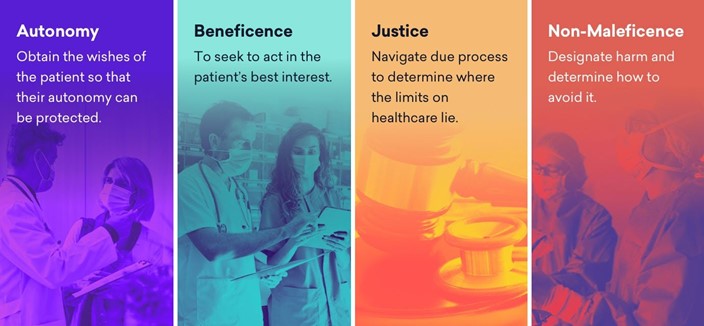
When preparing to administer medications, the nurse carefully confirms the drug order and the patient's identity. This is an example of the ethical principle of nonmalfeasance. Nonmalfeasance refers to the principle of "do no harm" and requires healthcare providers to avoid causing harm to their patients.
C. Veracity
Option C refers to truthfulness and honesty, but it is not the primary principle being demonstrated in this situation.
D. Justice
Option D refers to fairness and equality, but it is not the primary principle being demonstrated in this situation.
Full Explanation
When preparing to administer medications, the nurse carefully confirms the drug order and the patient's identity. This is an example of the ethical principle of nonmalfeasance. Nonmalfeasance refers to the principle of "do no harm" and requires healthcare providers to avoid causing harm to their patients.
Option A refers to wrongdoing or misconduct and is not applicable in this situation.
Option C refers to truthfulness and honesty, but it is not the primary principle being demonstrated in this situation.
Option D refers to fairness and equality, but it is not the primary principle being demonstrated in this situation.
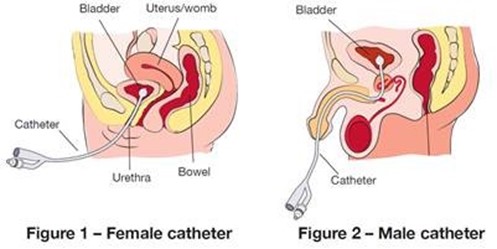
A nurse is preparing to perform a urinary catheterization to obtain a urine specimen for a client. The client tells the nurse that she is concerned about her privacy during the procedure. Which of the following actions should the nurse take to alleviate the client's concern?
A. Explain the procedure to the client.
Option A may also be helpful in alleviating the client's concern by providing information about the procedure.
B. Gather the equipment necessary before starting the procedure.
Option B may also be helpful in ensuring that the procedure is performed efficiently.
C. Obtain assistance so the client does not become resistant to the procedure.
Option C may not be necessary if the client is not resistant to the procedure.
D. Close the door and cover the client during the procedure.
If a client is concerned about her privacy during a urinary catheterization procedure, the nurse should close the door and cover the client during the procedure. This action helps to maintain the client's privacy and dignity.
Full Explanation
If a client is concerned about her privacy during a urinary catheterization procedure, the nurse should close the door and cover the client during the procedure. This action helps to maintain the client's privacy and dignity.
Option A may also be helpful in alleviating the client's concern by providing information about the procedure.
Option B may also be helpful in ensuring that the procedure is performed efficiently.
Option C may not be necessary if the client is not resistant to the procedure.