
Nursing practice questions with comprehensive rationales
NurseDive Free Nursing Practice Question
A nurse working on a medical-surgical unit is making client assignments for an upcoming shift.
Which of the following tasks should the nurse assign to an assistive personnel?
A. Showing a client how to use an incentive spirometer prior to surgery.
Choice A is wrong because showing a client how to use an incentive spirometer prior to surgery requires more specialized knowledge and training.
B. Assisting with ambulation for a client who has a pulmonary infection.
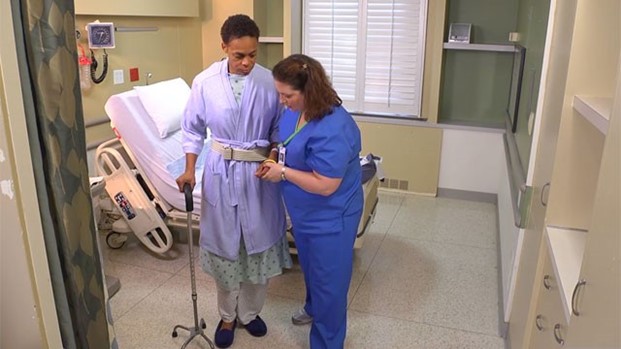
Assisting with ambulation for a client who has a pulmonary infection. Assistive personnel can perform basic nursing care functions such as assisting patients with mobility.
C. Irrigating a client's infected surgical wound.
Choice C is wrong because irrigating a client’s infected surgical wound is a more complex medical procedure that should be performed by a licensed nurse.
D. Inserting a glycerin suppository for a client who is constipated.
Choice D is wrong because inserting a glycerin suppository for a client who is constipated is also a more complex medical procedure that should be performed by a licensed nurse.
This question is an excerpt from Nurse Dive's nursing test bank - ATI RN Fundamentals 2019 with NGN Proctored Exam. Take the full exam now
Full Explanation
Assisting with ambulation for a client who has a pulmonary infection.
Assistive personnel can perform basic nursing care functions such as assisting patients with mobility.
Choice A is wrong because showing a client how to use an incentive spirometer prior to surgery requires more specialized knowledge and training.
Choice C is wrong because irrigating a client’s infected surgical wound is a more complex medical procedure that should be performed by a licensed nurse.
Choice D is wrong because inserting a glycerin suppository for a client who is constipated is also a more complex medical procedure that should be performed by a licensed nurse.
Similar Questions
A nurse is teaching a client how to self-administer daily low-dose heparin injections.
Which of the following factors is most likely to increase the client's motivation to learn?
A. The client's belief that his needs will be met through education.
According to self-efficacy theory, learning develops from multiple sources, including perceptions of one’s past performance, vicarious experiences, performance feedback, affective/physiological states, and social influences.
B. The nurse explains the need for education to the client.
Choice B is wrong because simply explaining the need for education to the client may not necessarily increase their motivation to learn.
C. The client seeking family approval by agreeing to a teaching plan.
Choice C is wrong because seeking family approval by agreeing to a teaching plan may not necessarily increase the client’s motivation to learn.
D. The nurse's empathy about the client having to self-inject.
Choice D is wrong because the nurse’s empathy about the client having to self-inject may not necessarily increase their motivation to learn.
Full Explanation
According to self-efficacy theory, learning develops from multiple sources, including perceptions of one’s past performance, vicarious experiences, performance feedback, affective/physiological states, and social influences.
Choice B is wrong because simply explaining the need for education to the client may not necessarily increase their motivation to learn.
Choice C is wrong because seeking family approval by agreeing to a teaching plan may not necessarily increase the client’s motivation to learn.
Choice D is wrong because the nurse’s empathy about the client having to self-inject may not necessarily increase their motivation to learn.
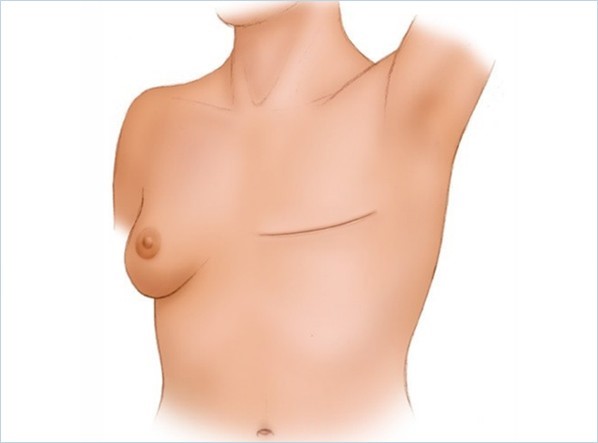
A nurse is preparing to insert an IV catheter for a client following a right mastectomy.
Which of the following veins should the nurse select when initiating IV therapy?
A. The cephalic vein on the back of the right hand.
Choice A is wrong because it involves placing the IV catheter on the same side as the mastectomy.
B. The cephalic vein in the left distal forearm.
It is recommended that IVs are placed in the arm on the opposite side of your surgery, if possible.
C. The basilic vein in the right antecubital fossa.
Choice C is wrong because it involves placing the IV catheter on the same side as the mastectomy.
D. The radial vein on the left wrist.
Choice D is wrong because it involves placing the IV catheter on a vein that is not commonly used for IV therapy.
Full Explanation
It is recommended that IVs are placed in the arm on the opposite side of your surgery, if possible.
Choice A is wrong because it involves placing the IV catheter on the same side as the mastectomy.
Choice C is wrong because it involves placing the IV catheter on the same side as the mastectomy.
Choice D is wrong because it involves placing the IV catheter on a vein that is not commonly used for IV therapy.
A nurse is planning care for a client who has a latex allergy and is scheduled for surgery. Which of the following actions is appropriate to include in the client's plan of care?
A. Remove the stopcocks from IV tubing.
Choice A is wrong because removing the stopcocks from IV tubing does not address the issue of latex allergy.
B. Cleanse the stoppers with povidone-iodine before withdrawing the medication.
Choice B is wrong because cleansing the stoppers with povidone-iodine before withdrawing medication does not address the issue of latex allergy.
C. Ensure the gloves in the surgical suite are powdered gloves.
Choice C is wrong because powdered gloves can contain latex and should be avoided for patients with a latex allergy.
D. Schedule the client as the first surgical procedure of the day.
Schedule the client as the first surgical procedure of the day. When scheduling a surgical procedure for a patient with a latex allergy, it is recommended to schedule them as the first case of the day.
Full Explanation
Schedule the client as the first surgical procedure of the day.
When scheduling a surgical procedure for a patient with a latex allergy, it is recommended to schedule them as the first case of the day.
Choice A is wrong because removing the stopcocks from IV tubing does not address the issue of latex allergy.
Choice B is wrong because cleansing the stoppers with povidone-iodine before withdrawing medication does not address the issue of latex allergy.
Choice C is wrong because powdered gloves can contain latex and should be avoided for patients with a latex allergy.