
Nursing practice questions with comprehensive rationales
NurseDive Free Nursing Practice Question
A nurse working on a mental health unit is meeting with a client who has been on the unit for 2 days. The nurse greets the client and asks, "What has been happening with you today?" Which of the following therapeutic techniques is the nurse using?
A. Giving broad openings
The nurse is using the therapeutic technique of giving broad openings. This technique encourages the client to freely express themselves and choose the focus of the conversation. By asking, "What has been happening with you today?" the nurse is inviting the client to share their thoughts, feelings, and experiences without imposing any specific topic or direction.
B. Focusing
Focusing: Focusing is a therapeutic technique where the nurse directs the conversation to a specific topic or issue. In this scenario, the nurse is not guiding the client's response toward a particular area of discussion.
C. Reflecting
Reflecting: Reflecting is a therapeutic technique where the nurse repeats or paraphrases the client's words or feelings to demonstrate understanding and encourage further exploration. The nurse's statement in this scenario does not involve reflecting the client's words or feelings.
D. Seeking clarification
Seeking clarification: Seeking clarification is a therapeutic technique used to obtain more specific information or clear up any confusion. The nurse's statement in this scenario does not involve seeking clarification from the client.
This question is an excerpt from Nurse Dive's nursing test bank - VATI PN Comprehensive Predictor 2020 Proctored Exam. Take the full exam now
Full Explanation
a. Giving broad openings
The nurse is using the therapeutic technique of giving broad openings. This technique encourages the client to freely express themselves and choose the focus of the conversation. By asking, "What has been happening with you today?" the nurse is inviting the client to share their thoughts, feelings, and experiences without imposing any specific topic or direction.
Explanation for the other options:
b. Focusing: Focusing is a therapeutic technique where the nurse directs the conversation to a specific topic or issue. In this scenario, the nurse is not guiding the client's response toward a particular area of discussion.
c. Reflecting: Reflecting is a therapeutic technique where the nurse repeats or paraphrases the client's words or feelings to demonstrate understanding and encourage further exploration. The nurse's statement in this scenario does not involve reflecting the client's words or feelings.
d. Seeking clarification: Seeking clarification is a therapeutic technique used to obtain more specific information or clear up any confusion. The nurse's statement in this scenario does not involve seeking clarification from the client.
In summary, by using a broad opening, the nurse allows the client to choose the focus of the conversation
and encourages them to share their experiences and concerns.
Similar Questions
A nurse and assistive personnel (AP) are caring for a client who requests a PRN pain medication. After the nurse administers the medication, which of the following tasks should the nurse assign to the AP?
A. Document the client's respiratory rate in 1 hr.
After the nurse administers a PRN pain medication to a client, the nurse can assign the assistive personnel (AP) to document the client's respiratory rate in 1 hour. This is within the scope of practice of an AP.
B. Monitor the client for an allergic reaction for 30 min.
Monitoring the client for an allergic reaction is a nursing assessmentthat should be performed by the nurse.
C. Check the client's response to the medication in 1 hr.
Checking the client's response to the medicationis also a nursing assessment that should be performed by the nurse.
D. Evaluate the client for therapeutic effects in 30 min.
Evaluating the client for therapeutic effects is a nursing assessment that should be performed by the nurse.
Full Explanation
After the nurse administers a PRN pain medication to a client, the nurse can assign the assistive personnel (AP) to document the client's respiratory rate in 1 hour. This is within the scope of practice of an AP.
The other tasks are not appropriate for an AP to perform.
Monitoring the client for an allergic reaction and evaluating the client for therapeutic effects are both nursing assessments that should be performed by the nurse.
Checking the client's response to the medication is also a nursing assessment that should be performed by the nurse.
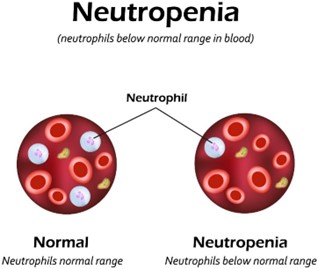
A nurse is reinforcing discharge teaching with the guardian of a client who is neutropenic. Which of the following instructions should the nurse include?
A. "You can take your child to stores on weekends."
A client who is neutropenic should avoid crowded places such as stores to reduce their risk of infection.
B. "You should inspect your child's mouth weekly for ulcers."
The guardian should inspect the child's mouth daily, not weekly, for ulcers.
C. "You should notify your provider if your child has a fever."
A nurse reinforcing discharge teaching with the guardian of a client who is neutropenic should include the instruction to notify the provider if the child has a fever. A fever can be a sign of infection, which can be serious in a client who is neutropenic.
D. "You can give your child fresh fruit for snacks."
A client who is neutropenic should avoid fresh fruitsas they may carry bacteria that can cause infection.
Full Explanation
A nurse reinforcing discharge teaching with the guardian of a client who is neutropenic should include the instruction to notify the provider if the child has a fever. A fever can be a sign of infection, which can be serious in a client who is neutropenic.
The other options are not correct.
A client who is neutropenic should avoid crowded places such as stores to reduce their risk of infection. The guardian should inspect the child's mouth daily, not weekly, for ulcers. A client who is neutropenic should avoid fresh fruits as they may carry bacteria that can cause infection.
A nurse is assisting with the care of an adolescent who is scheduled for surgery. Which of the following actions should the nurse plan to take?
A. Provide a tour of the perioperative area prior to surgery
When caring for an adolescent scheduled for surgery, providing a tour of the perioperative area prior to the procedure is an important action for the nurse to take. Adolescents may experience fear and anxiety related to the unfamiliar environment and procedures associated with surgery. Providing a tour allows the adolescent to become familiar with the surroundings, equipment, and healthcare team, which can help alleviate anxiety and promote a sense of control.
B. Explain that anesthesia is a special type of sleep
Explain that anesthesia is a special type of sleep: While it is important to provide information about anesthesia to the adolescent, describing it as a "special type of sleep" may be misleading. Anesthesia is a medical procedure that involves more than just being asleep, and it is important to provide accurate information to the adolescent.
C. Keep medical equipment out of the client's sight
Keep medical equipment out of the client's sight: While it is important to create a comfortable and non- threatening environment for the adolescent, completely hiding medical equipment may not be feasible or necessary. Instead, the nurse should address any specific fears or concerns the adolescent may have and provide age-appropriate explanations and reassurance
D. Wait until after surgery to explain the importance of coughing and deep breathing
Wait until after surgery to explain the importance of coughing and deep breathing: It is important to provide preoperative education to the adolescent to promote their understanding and cooperation. Explaining the importance of coughing and deep breathing before surgery helps the adolescent prepare and participate in their own recovery. Waiting until after surgery may result in missed opportunities for early postoperative interventions.
Full Explanation
a . Provide a tour of the perioperative area prior to surgery.
The correct answer is a. Provide a tour of the perioperative area prior to surgery.
Explanation:
When caring for an adolescent scheduled for surgery, providing a tour of the perioperative area prior to the procedure is an important action for the nurse to take. Adolescents may experience fear and anxiety related to the unfamiliar environment and procedures associated with surgery. Providing a tour allows the adolescent to become familiar with the surroundings, equipment, and healthcare team, which can help alleviate anxiety and promote a sense of control.
Explanation for the other options:
b. Explain that anesthesia is a special type of sleep: While it is important to provide information about anesthesia to the adolescent, describing it as a "special type of sleep" may be misleading. Anesthesia is a medical procedure that involves more than just being asleep, and it is important to provide accurate information to the adolescent.
c. Keep medical equipment out of the client's sight: While it is important to create a comfortable and non- threatening environment for the adolescent, completely hiding medical equipment may not be feasible or necessary. Instead, the nurse should address any specific fears or concerns the adolescent may have and provide age-appropriate explanations and reassurance.
d. Wait until after surgery to explain the importance of coughing and deep breathing: It is important to provide preoperative education to the adolescent to promote their understanding and cooperation. Explaining the importance of coughing and deep breathing before surgery helps the adolescent prepare and participate in their own recovery. Waiting until after surgery may result in missed opportunities for early postoperative interventions.
In summary, providing a tour of the perioperative area prior to surgery helps familiarize the adolescent with the environment, reducing anxiety and promoting a sense of control.