
Nursing practice questions with comprehensive rationales
NurseDive Free Nursing Practice Question
A patient who has numbness and weakness of both feet is hospitalized with Guillain- Barré syndrome. The nurse will anticipate that collaborative interventions at this time will include ...
A. intubation and mechanical ventilation.
Intubation and mechanical ventilation may be needed if the respiratory muscles are affected by GBS, but this is not a routine intervention at this stage.
B. IV infusion of (Sandoglobulin).
One of the main treatments of GBS is IV immunoglobulin therapy (IVIG), which involves infusing antibodies from donated blood plasma to block the harmful immune response that damages the nerves. Sandoglobulin is one of the brand names of IVIG used for GBS. IVIG can help shorten the duration and severity of the disease, and improve the recovery rate.
C. administration of methylprednisolone (Solu-Medrol).
Methylprednisolone is a corticosteroid that can reduce inflammation, but it is not recommended for GBS, as it may worsen the condition or increase the risk of infection.
D. insertion of a nasogastric (NG) feeding tube
NG feeding tube may be required if the patient has difficulty swallowing, but this is also not a standard intervention at this time.
This question is an excerpt from Nurse Dive's nursing test bank - Interprofessional Care of the Client and Family Across the Lifespan II Proctored Exam. Take the full exam now
Full Explanation
Choice A rationale: Intubation and mechanical ventilation may be needed if the respiratory muscles are affected by GBS, but this is not a routine intervention at this stage.
Choice B rationale: One of the main treatments of GBS is IV immunoglobulin therapy (IVIG), which involves infusing antibodies from donated blood plasma to block the harmful immune response that damages the nerves. Sandoglobulin is one of the brand names of IVIG used for GBS. IVIG can help shorten the duration and severity of the disease, and improve the recovery rate.
Choice C rationale: Methylprednisolone is a corticosteroid that can reduce inflammation, but it is not recommended for GBS, as it may worsen the condition or increase the risk of infection.
Choice D rationale: NG feeding tube may be required if the patient has difficulty swallowing, but this is also not a standard intervention at this time.
Similar Questions
What topic should the nurse plan as a priority to teach a 26-year-old patient who has been treated for pelvic inflammatory disease?
A. Use of hormone therapy (HT)
Hormone therapy (HT) is used to treat menopausal symptoms, not PID.
B. Irregularities in the menstrual cycle
Irregularities in the menstrual cycle is not a common complications of PID.
C. Changes in secondary sex characteristics
Changes in secondary sex characteristics is not a common complications of PID.
D. Potential complication of infertility
Pelvic inflammatory disease (PID) is an infection of the female reproductive organs that can cause scarring and damage to the fallopian tubes, ovaries, and uterus. This can lead to ectopic pregnancy, chronic pelvic pain, and infertility.
Full Explanation
Choice A rationale: Hormone therapy (HT) is used to treat menopausal symptoms, not PID.
Choice B rationale: Irregularities in the menstrual cycle is not a common complications of PID.
Choice C rationale: Changes in secondary sex characteristics is not a common complications of PID.
Choice D rationale: Pelvic inflammatory disease (PID) is an infection of the female reproductive organs that can cause scarring and damage to the fallopian tubes, ovaries, and uterus. This can lead to ectopic pregnancy, chronic pelvic pain, and infertility.
A nurse is caring for a client who has benign prostatic hyperplasia (BPH). Which of the following medications should the nurse plan to administer?
A. Fluoxymesterone
Fluoxymesterone is a synthetic forms of testosterone that can worsen BPH by increasing the level of DHT.
B. Danazol
Danazol is a synthetic forms of testosterone that can worsen BPH by increasing the level of DHT.
C. Methyltestosterone
Methyltestosterone is a synthetic forms of testosterone that can worsen BPH by increasing the level of DHT.
D. Finasteride
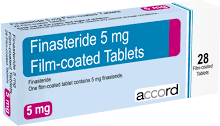
Finasteride is a medication that inhibits the conversion of testosterone to dihydrotestosterone (DHT), which is a hormone that stimulates the growth of the prostate gland. By reducing the level of DHT, finasteride can shrink the enlarged prostate and improve urinary symptoms in men with benign prostatic hyperplasia (BPH). The other choices are not appropriate for BPH.
Full Explanation
Choice A rationale: Fluoxymesterone is a synthetic forms of testosterone that can worsen BPH by increasing the level of DHT.
Choice B rationale: Danazol is a synthetic forms of testosterone that can worsen BPH by increasing the level of DHT.
Choice C rationale: Methyltestosterone is a synthetic forms of testosterone that can worsen BPH by increasing the level of DHT.
Choice D rationale: Finasteride is a medication that inhibits the conversion of testosterone to dihydrotestosterone (DHT), which is a hormone that stimulates the growth of the prostate gland. By reducing the level of DHT, finasteride can shrink the enlarged prostate and improve urinary symptoms in men with benign prostatic hyperplasia (BPH). The other choices are not appropriate for BPH.
 |
A 60-year-old female client with a 5-year history of diabetes mellitus type 2 visits her primary health care provider with report of an "itchy" skin rash that she has never had before. On inspection, the nurse notes that she has multiple raised reddened lesions of varying sizes located primarily on her legs and arms.
The client reports that her diet has not changed and that she feels embarrassed about her skin problem. The nurse documents her current medications:
- Glipizide 5 mg orally once daily with breakfast for diabetes mellitus type 2
- Furosemide 20 mg orally once every other day for hypertension
- Lovastatin 40 mg orally once daily for high cholesterol
- Duloxetine 60 mg orally once daily for clinical depression
- Trimethoprim/sulfamethoxazole DS 1 tablet every 12 hours for acute urinary tract infection
Choose the most likely options for the information missing from the statements below by selecting from the lists of options provided.
The nurse will instruct the client that she should not continue taking The nurse will instruct the client that she may not be able to continue taking ___________________ .
A. Furosemide/Hyperkalemia/Furosemide/Diuretic
Furosemide is a loop diuretic used to increase urine output by blocking the reabsorption of sodium and water. It's not typically associated with hyperkalemia. In fact, it's more common for loop diuretics like furosemide to cause hypokalemia (low potassium) due to increased urinary excretion of potassium.
B. Lovastatin/Increased cholesterol/Furosemide/Selective serotonin reuptake inhibitor
Lovastatin is a statin used to lower cholesterol levels. It is not related to increased cholesterol. Additionally, there is no known direct interaction between lovastatin and furosemide. Furosemide is a diuretic, while selective serotonin reuptake inhibitors (SSRIs) are a class of antidepressants, and they do not typically interact in a way that requires discontinuation.
C. Duloxetine/Depression/Glipizide/Selective serotonin reuptake inhibitor
Duloxetine is an antidepressant (SNRI), and glipizide is an oral diabetes medication. There's no direct interaction between duloxetine and glipizide that would necessitate discontinuation.
D. trimethoprim/sulfamethoxazole/skin reaction sulfa/glipizide/sulfonylurea
Trimethoprim/sulfamethoxazole (Bactrim) is a sulfonamide antibiotic, and glipizide belongs to the sulfonylurea class of medications. Both drugs contain sulfur groups in their chemical structures, and there is a possibility of cross- reactivity or drug interaction. This interaction can potentially reduce the effectiveness of glipizide, leading to compromised blood sugar control. Additionally, sulfonamide antibiotics like trimethoprim/sulfamethoxazole can cause adverse reactions, including skin rashes or hypersensitivity reactions, particularly in individuals sensitive to sulfa medications.
Full Explanation
Choice A rationale: Furosemide is a loop diuretic used to increase urine output by blocking the reabsorption of sodium and water. It's not typically associated with hyperkalemia. In fact, it's more common for loop diuretics like furosemide to cause hypokalemia (low potassium) due to increased urinary excretion of potassium.
Choice B rationale: Lovastatin is a statin used to lower cholesterol levels. It is not related to increased cholesterol. Additionally, there is no known direct interaction between lovastatin and furosemide. Furosemide is a diuretic, while selective serotonin reuptake inhibitors (SSRIs) are a class of antidepressants, and they do not typically interact in a way that requires discontinuation.
Choice C rationale: Duloxetine is an antidepressant (SNRI), and glipizide is an oral diabetes medication. There's no direct interaction between duloxetine and glipizide that would necessitate discontinuation.
Choice D rationale: Trimethoprim/sulfamethoxazole (Bactrim) is a sulfonamide antibiotic, and glipizide belongs to the sulfonylurea class of medications. Both drugs contain sulfur groups in their chemical structures, and there is a possibility of cross-reactivity or drug interaction. This interaction can potentially reduce the effectiveness of glipizide, leading to compromised blood sugar control. Additionally, sulfonamide antibiotics like trimethoprim/sulfamethoxazole can cause adverse reactions, including skin rashes or hypersensitivity reactions, particularly in individuals sensitive to sulfa medications.