
Nursing practice questions with comprehensive rationales
NurseDive Free Nursing Practice Question
A postpartum complication a client is at risk for is deep-vein thrombosis. Which of the following is a factor strongly associated with this postpartum complication?
A. Cesarean birth.
Cesarean birth is a factor strongly associated with postpartum deep-vein thrombosis (DVT) After a cesarean section, the risk of developing DVT increases due to reduced mobility and potential trauma to blood vessels during the surgery. Decreased mobility can lead to blood stasis, increasing the risk of clot formation.
B. Rheumatoid Arthritis.
Rheumatoid arthritis (Choice B) is not directly associated with an increased risk of postpartum DVT. Other autoimmune disorders, such as antiphospholipid syndrome, may be associated with a higher risk of DVT, but rheumatoid arthritis itself is not a known risk factor.
C. Hypotension.
Hypotension (Choice C) is not directly linked to an increased risk of postpartum DVT. However, hypotension can be associated with other complications and should be managed appropriately.
D. Uterine atony.
Uterine atony (Choice D) is excessive bleeding following childbirth due to the uterus not contracting adequately. While it is a postpartum complication, it is not directly associated with an increased risk of DVT.
This question is an excerpt from Nurse Dive's nursing test bank - ATI Maternal Newborn Proctored Exam. Take the full exam now
Full Explanation
Choice A rationale:
Cesarean birth is a factor strongly associated with postpartum deep-vein thrombosis (DVT) After a cesarean section, the risk of developing DVT increases due to reduced mobility and potential trauma to blood vessels during the surgery. Decreased mobility can lead to blood stasis, increasing the risk of clot formation.
Choice B rationale:
Rheumatoid arthritis (Choice B) is not directly associated with an increased risk of postpartum DVT. Other autoimmune disorders, such as antiphospholipid syndrome, may be associated with a higher risk of DVT, but rheumatoid arthritis itself is not a known risk factor.
Choice C rationale:
Hypotension (Choice C) is not directly linked to an increased risk of postpartum DVT. However, hypotension can be associated with other complications and should be managed appropriately.
Choice D rationale:
Uterine atony (Choice D) is excessive bleeding following childbirth due to the uterus not contracting adequately. While it is a postpartum complication, it is not directly associated with an increased risk of DVT.
Similar Questions
A nurse has provided education to a client who has been prescribed oral contraception. Which of the following client statements indicates a need for further education?
A. "I will notify my provider if I experience chest pain, shortness of breath, or leg pain.”
This statement indicates that the client understands the potential side effects of oral contraception and the importance of reporting them promptly to their healthcare provider. Chest pain, shortness of breath, or leg pain can be indicative of serious complications, such as blood clots, which can occur with oral contraceptive use.
B. "I will use an alternative form of birth control if I miss three pills.”
This statement demonstrates the client's understanding of what to do if they miss three pills. Using an alternative form of birth control is a responsible action to prevent unintended pregnancies, as missing multiple pills can decrease contraceptive effectiveness.
C. "If I miss three pills, I will double up each day until back on schedule.”
This statement reveals a misunderstanding of the appropriate action to take if the client misses three pills. Instead of doubling up, the client should be instructed to take the missed pill as soon as they remember and continue taking the pills as usual. Doubling up can increase the risk of side effects and won't necessarily prevent pregnancy.
D. "I will have to have follow-up appointments with my provider while taking this medication.”
This statement indicates that the client comprehends the need for follow-up appointments while on oral contraception. Regular follow-ups are essential to monitor the client's health, address any concerns, and ensure the effectiveness of the chosen contraceptive method.
Full Explanation
Choice A rationale:
This statement indicates that the client understands the potential side effects of oral contraception and the importance of reporting them promptly to their healthcare provider. Chest pain, shortness of breath, or leg pain can be indicative of serious complications, such as blood clots, which can occur with oral contraceptive use.
Choice B rationale:
This statement demonstrates the client's understanding of what to do if they miss three pills. Using an alternative form of birth control is a responsible action to prevent unintended pregnancies, as missing multiple pills can decrease contraceptive effectiveness.
Choice C rationale:
This statement reveals a misunderstanding of the appropriate action to take if the client misses three pills. Instead of doubling up, the client should be instructed to take the missed pill as soon as they remember and continue taking the pills as usual. Doubling up can increase the risk of side effects and won't necessarily prevent pregnancy.
Choice D rationale:
This statement indicates that the client comprehends the need for follow-up appointments while on oral contraception. Regular follow-ups are essential to monitor the client's health, address any concerns, and ensure the effectiveness of the chosen contraceptive method.
A client has been prescribed raloxifene. As the nurse, you know that raloxifene is used to treat:.
A. Migraines.
Raloxifene is not used to treat migraines. It is a selective estrogen receptor modulator (SERM) that primarily acts on bone tissues, estrogen receptors, and has anti-estrogenic effects in the breast, which may reduce the risk of breast cancer.
B. Hypertension.
Raloxifene is not used to treat hypertension (high blood pressure) It is primarily indicated for the prevention and treatment of osteoporosis in postmenopausal women.
C. Osteoporosis.
This is the correct choice. Raloxifene is indicated for the treatment and prevention of osteoporosis in postmenopausal women. It helps increase bone density and reduces the risk of fractures associated with osteoporosis.
D. Heart disease.
Raloxifene is not used to treat heart disease. While it may have some cardiovascular benefits due to its effects on cholesterol levels, it is not a primary medication for heart disease management.
Full Explanation
Choice A rationale:
Raloxifene is not used to treat migraines. It is a selective estrogen receptor modulator (SERM) that primarily acts on bone tissues, estrogen receptors, and has anti-estrogenic effects in the breast, which may reduce the risk of breast cancer.
Choice B rationale:
Raloxifene is not used to treat hypertension (high blood pressure) It is primarily indicated for the prevention and treatment of osteoporosis in postmenopausal women.
Choice C rationale:
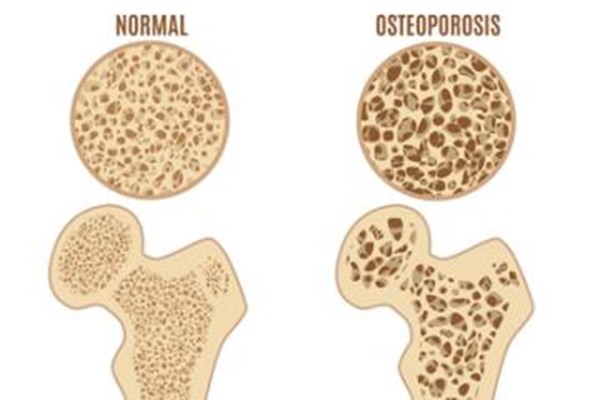
This is the correct choice. Raloxifene is indicated for the treatment and prevention of osteoporosis in postmenopausal women. It helps increase bone density and reduces the risk of fractures associated with osteoporosis.
Choice D rationale:
Raloxifene is not used to treat heart disease. While it may have some cardiovascular benefits due to its effects on cholesterol levels, it is not a primary medication for heart disease management.
A nurse is assessing a client who is in active labor and notes that the presenting part is at 0 station. Which of the following is the correct interpretation of this clinical finding?
A. The fetal head is in the left occiput posterior position.
The clinical finding of 0 station does not provide information about the fetal head's position in the left occiput posterior position. Station refers to the level of the presenting part in relation to the ischial spines, not the position.
B. The largest fetal diameter has passed through the pelvic outlet.
The clinical finding of 0 station does not indicate that the largest fetal diameter has passed through the pelvic outlet. The station only tells us the level of the presenting part and does not provide information about the diameter passing through the pelvic outlet.
C. The posterior fontanel is palpable.
The clinical finding of 0 station does not directly involve the palpability of the posterior fontanel. Station is determined based on the level of the presenting part in the birth canal.
D. The lowermost portion of the fetus is at the level of the ischial spines.
This is the correct interpretation of the clinical finding. 0 station means that the presenting part (usually the baby's head) is at the level of the ischial spines, which serves as a reference point during labor. As labor progresses and the baby moves further down the birth canal, the station becomes more negative (e.g., -1, -2) until delivery occurs.
Full Explanation
Choice A rationale:
The clinical finding of 0 station does not provide information about the fetal head's position in the left occiput posterior position. Station refers to the level of the presenting part in relation to the ischial spines, not the position.
Choice B rationale:
The clinical finding of 0 station does not indicate that the largest fetal diameter has passed through the pelvic outlet. The station only tells us the level of the presenting part and does not provide information about the diameter passing through the pelvic outlet.
Choice C rationale:
The clinical finding of 0 station does not directly involve the palpability of the posterior fontanel. Station is determined based on the level of the presenting part in the birth canal.
Choice D rationale:
This is the correct interpretation of the clinical finding. 0 station means that the presenting part (usually the baby's head) is at the level of the ischial spines, which serves as a reference point during labor. As labor progresses and the baby moves further down the birth canal, the station becomes more negative (e.g., -1, -2) until delivery occurs.