Nursing practice questions with comprehensive rationales
NurseDive Free Nursing Practice Question
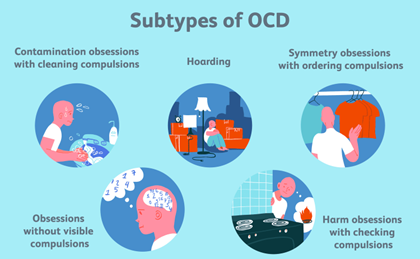
A registered nurse in a mental health facility is planning care for a client who has obsessive-compulsive disorder (OCD) and is newly admitted to the unit. Which of the following actions should the nurse plan to take regarding the client's compulsive behaviors?
A. Confront the client about the senseless nature of repetitive behaviors.
Option a. Confront the client about the senseless nature of repetitive behaviors is not a helpful intervention because it may increase the client’s anxiety and distress.
B. Isolate the client for a period of time.
Option b. Isolate the client for a period of time is not a helpful intervention because it does not address the underlying causes of the client’s compulsive behaviors.
C. Plan the client's schedule to allow time for rituals.
When caring for a client with obsessive-compulsive disorder (OCD), it is important for the nurse to understand that the client’s compulsive behaviors are a way for them to manage their anxiety and distress. Rather than trying to confront or eliminate these behaviors, the nurse should work with the client to develop a schedule that allows time for their rituals while also incorporating other activities and treatments.
D. Set very strict limits on the behaviors so that the client can conform to the unit rules and schedules.
Option d. Set very strict limits on the behaviors so that the client can conform to the unit rules and schedules is not a helpful intervention because it may increase the client’s anxiety and distress and may interfere with their ability to participate in treatment.
This question is an excerpt from Nurse Dive's nursing test bank - Mental Health - Proctored Exam 2. Take the full exam now
Full Explanation
When caring for a client with obsessive-compulsive disorder (OCD), it is important for the nurse to understand that the client’s compulsive behaviors are a way for them to manage their anxiety and distress. Rather than trying to confront or eliminate these behaviors, the nurse should work with the client to develop a schedule that allows time for their rituals while also incorporating other activities and treatments.
Option a. Confront the client about the senseless nature of repetitive behaviors is not a helpful intervention because it may increase the client’s anxiety and distress.
Option b. Isolate the client for a period of time is not a helpful intervention because it does not address the underlying causes of the client’s compulsive behaviors.
Option d. Set very strict limits on the behaviors so that the client can conform to the unit rules and schedules is not a helpful intervention because it may increase the client’s anxiety and distress and may interfere with their ability to participate in treatment.
Similar Questions
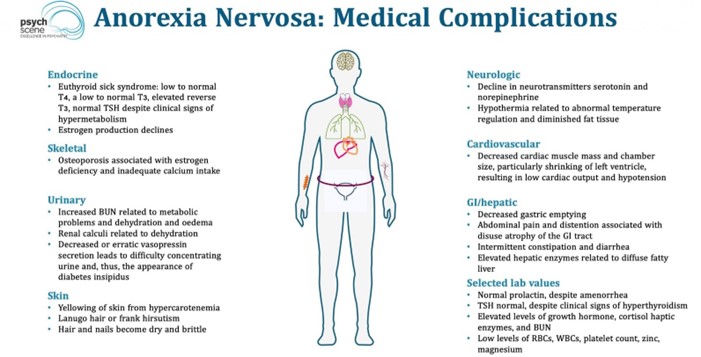
A nursing care plan for a patient with anorexia nervosa includes the intervention “monitor for complications of refeed. “Which system should a registered nurse closely monitor for dysfunction?
Select one:
A. Endocrine
Option a. Endocrine system dysfunction can occur in patients with anorexia nervosa, but it is not typically associated with refeeding syndrome.
B. Respiratory
Option b. Respiratory system dysfunction can occur in patients with anorexia nervosa, but it is not typically associated with refeeding syndrome.
C. Musculoskeletal
Option c. Musculoskeletal system dysfunction can occur in patients with anorexia nervosa, but it is not typically associated with refeeding syndrome.
D. Cardiovascular
Refeeding syndrome is a potentially life-threatening complication that can occur when a person with anorexia nervosa or other forms of malnutrition begins to eat again after a period of starvation. It is characterized by electrolyte imbalances and fluid shifts that can lead to cardiovascular dysfunction, including heart failure and arrhythmias. Therefore, when caring for a patient with anorexia nervosa who is being refed, it is important for the nurse to closely monitor the patient’s cardiovascular system for signs of dysfunction.
Full Explanation
Refeeding syndrome is a potentially life-threatening complication that can occur when a person with anorexia nervosa or other forms of malnutrition begins to eat again after a period of starvation. It is characterized by electrolyte imbalances and fluid shifts that can lead to cardiovascular dysfunction, including heart failure and arrhythmias. Therefore, when caring for a patient with anorexia nervosa who is being refed, it is important for the nurse to closely monitor the patient’s cardiovascular system for signs of dysfunction.
Option a. Endocrine system dysfunction can occur in patients with anorexia nervosa, but it is not typically associated with refeeding syndrome.
Option b. Respiratory system dysfunction can occur in patients with anorexia nervosa, but it is not typically associated with refeeding syndrome.
Option c. Musculoskeletal system dysfunction can occur in patients with anorexia nervosa, but it is not typically associated with refeeding syndrome.
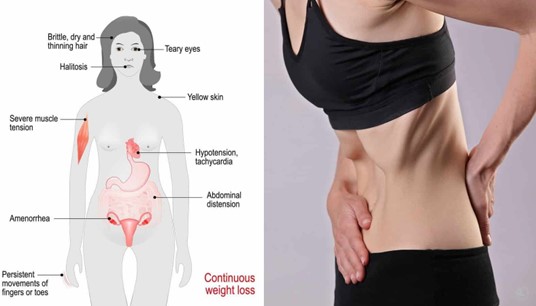
The nurse provides care for a client with anorexia nervosa. The nurse knows which statements aretrue regarding anorexia nervosa?
A. Clients diagnosed with anorexia nervosa often see themselves as overweight.
Option a. Clients diagnosed with anorexia nervosa often see themselves as overweight is true. Anorexia nervosa is characterized by a distorted body image and an intense fear of gaining weight. Even when they are severely underweight, individuals with anorexia nervosa may perceive themselves as being overweight.
B. Anorexia Nervosa has the highest mortality of all mental disorders.
Option b. Anorexia Nervosa has the highest mortality of all mental disorders is true. Anorexia nervosa is a serious mental illness that can have severe physical and psychological consequences, including death.
C. Clients diagnosed with anorexia nervosa often see themselves as emaciated and underweight.
Option c. Clients diagnosed with anorexia nervosa often see themselves as emaciated and underweight is not true. As mentioned above, individuals with anorexia nervosa often have a distorted body image and may perceive themselves as being overweight even when they are severely underweight.
D. Clients diagnosed with anorexia nervosa are self-indulgent.
Option d. Clients diagnosed with anorexia nervosa are self-indulgent is not true. Anorexia nervosa is a complex mental illness that is not caused by self-indulgence.
Full Explanation
Option a. Clients diagnosed with anorexia nervosa often see themselves as overweight is true. Anorexia nervosa is characterized by a distorted body image and an intense fear of gaining weight. Even when they are severely underweight, individuals with anorexia nervosa may perceive themselves as being overweight.
Option b. Anorexia Nervosa has the highest mortality of all mental disorders is true. Anorexia nervosa is a serious mental illness that can have severe physical and psychological consequences, including death.
Option c. Clients diagnosed with anorexia nervosa often see themselves as emaciated and underweight is not true. As mentioned above, individuals with anorexia nervosa often have a distorted body image and may perceive themselves as being overweight even when they are severely underweight.
Option d. Clients diagnosed with anorexia nervosa are self-indulgent is not true. Anorexia nervosa is a complex mental illness that is not caused by self-indulgence.
Option e. Adolescent females are most affected is true. While anorexia nervosa can affect individuals of any gender and age, it is most diagnosed in adolescent females.
A client who is being treated with lithium carbonate for bipolar disorder type I begins to develop diarrhea, vomiting, and drowsiness. Which action should the registered nurse take?
Select one:
A. Hold the medication and refuse to administer additional doses for 3 days.
Option a. Hold the medication and refuse to administer additional doses for 3 days is not an appropriate action because it does not involve notifying the health care provider or obtaining new orders.
B. Notify the health care provider immediately and give 4 liters of fluids.
Option b. Notify the health care provider immediately and give 4 liters of fluids is not an appropriate action because it involves administering fluids without obtaining orders from the health care provider.
C. Prior to giving the next dose, notify the health care provider of these symptoms and hold the next dose until new orders from provider.
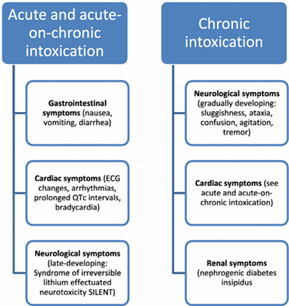
Diarrhea, vomiting, and drowsiness are potential signs of lithium toxicity, which can be a serious and potentially life-threatening condition. If a client who is being treated with lithium carbonate develops these symptoms, the nurse should notify the health care provider immediately and hold the next dose of medication until new orders are received from the provider.
D. Document the client's symptoms and continue with medication as prescribed.
Option d. Document the client’s symptoms and continue with medication as prescribed is not an appropriate action because it does not involve notifying the health care provider or holding the next dose of medication.
Full Explanation
Diarrhea, vomiting, and drowsiness are potential signs of lithium toxicity, which can be a serious and potentially life-threatening condition. If a client who is being treated with lithium carbonate develops these symptoms, the nurse should notify the health care provider immediately and hold the next dose of medication until new orders are received from the provider.
Option a. Hold the medication and refuse to administer additional doses for 3 days is not an appropriate action because it does not involve notifying the health care provider or obtaining new orders.
Option b. Notify the health care provider immediately and give 4 liters of fluids is not an appropriate action because it involves administering fluids without obtaining orders from the health care provider.
Option d. Document the client’s symptoms and continue with medication as prescribed is not an appropriate action because it does not involve notifying the health care provider or holding the next dose of medication.