Nursing practice questions with comprehensive rationales
NurseDive Free Nursing Practice Question
A school nurse is performing a routine health assessment for a school-age child.
Which of the following findings indicates the nurse should investigate further for pediculosis capitis?
A. Dry patches on the scalp.
Choice A is not correct because dry patches on the scalp are not a common symptom of pediculosis capitis 123.
B. Pruritus of the scalp.
Pruritus, or itching, of the scalp, is a common symptom of pediculosis capitis, also known as head lice infestation 123.
C. Bald patches on the scalp.
Choice C is not correct because bald patches on the scalp are not a common symptom of pediculosis capitis 123.
D. Blisters on the scalp.
Choice D is not correct because blisters on the scalp are not a common symptom of pediculosis capitis 123.
This question is an excerpt from Nurse Dive's nursing test bank - ATI Custom SP23 N23 N240 Proctored Exam 3 Ch 11 24 32 43 44. Take the full exam now
Full Explanation
Pruritus, or itching, of the scalp, is a common symptom of pediculosis capitis, also known as head lice infestation 123.
Choice A is not correct because dry patches on the scalp are not a common symptom of pediculosis capitis 123.
Choice C is not correct because bald patches on the scalp are not a common symptom of pediculosis capitis 123.
Choice D is not correct because blisters on the scalp are not a common symptom of pediculosis capitis 123.
Similar Questions
A nurse is bathing a toddler and notices that she has several bruises.
Which of the following actions should the nurse take first?
A. Ask the parents what caused the bruises.
The initial step in assessing unexplained bruising in a toddler is to gather information directly from the caregivers. This establishes a clinical baseline and allows the nurse to evaluate consistency, plausibility, and emotional responses. Bruising in toddlers can be developmental due to increased mobility, but patterns, location, and frequency matter. Normal platelet count ranges from 150,000 to 450,000/mm³; abnormal bruising may suggest thrombocytopenia, coagulopathy, or trauma. Early dialogue supports accurate documentation and escalation if needed.
B. Ask the toddler what caused the bruises.
Choice B is not correct because while it may be important to gather information from the toddler, the nurse’s first action should be to notify the provider.
C. Notify social services.
Choice C is not correct because while notifying social services may be necessary in some cases, the nurse’s first action should be to notify the provider.
D. Notify the provider.
Notifying the provider is essential for collaborative care but should follow initial data collection. The provider relies on the nurse’s observations and caregiver input to determine next steps, including diagnostic testing or referral. Immediate escalation without context may delay appropriate triage or misdirect resources. The nurse’s role includes thorough documentation, pattern recognition, and initiating dialogue with caregivers to inform the provider’s clinical judgment. This ensures a coordinated, evidence-based response.
Full Explanation
The correct answer is Choice A.
Choice A rationale: The initial step in assessing unexplained bruising in a toddler is to gather information directly from the caregivers. This establishes a clinical baseline and allows the nurse to evaluate consistency, plausibility, and emotional responses. Bruising in toddlers can be developmental due to increased mobility, but patterns, location, and frequency matter. Normal platelet count ranges from 150,000 to 450,000/mm³; abnormal bruising may suggest thrombocytopenia, coagulopathy, or trauma. Early dialogue supports accurate documentation and escalation if needed.
Choice B rationale: While engaging the toddler may seem appropriate, their developmental stage limits reliable verbal communication. Toddlers typically lack the cognitive and linguistic capacity to describe events accurately, especially those involving trauma or abuse. Their responses may be influenced by fear, confusion, or limited vocabulary. Relying on their account prematurely risks misinterpretation and emotional distress. Assessment should prioritize adult sources first, followed by observational and clinical data to guide further action.
Choice C rationale: Notifying social services is a critical step in suspected abuse but must follow preliminary assessment and documentation. Premature reporting without context may lead to unnecessary distress for the family and compromise the integrity of the investigation. The nurse must first gather objective findings, caregiver explanations, and clinical indicators. Social services involvement is warranted when findings suggest non-accidental trauma, inconsistent histories, or high-risk environments. The decision must be evidence-informed and procedurally sound.
Choice D rationale: Notifying the provider is essential for collaborative care but should follow initial data collection. The provider relies on the nurse’s observations and caregiver input to determine next steps, including diagnostic testing or referral. Immediate escalation without context may delay appropriate triage or misdirect resources. The nurse’s role includes thorough documentation, pattern recognition, and initiating dialogue with caregivers to inform the provider’s clinical judgment. This ensures a coordinated, evidence-based response.
A nurse is collecting data from an adolescent.
Which of the following should the nurse identify as the greatest risk for suicide?
A. Family conflict.
Choice A is not correct because while family conflict can be a contributing factor to suicide risk, it is not the greatest risk factor.
B. Homosexuality.
Choice B is not correct because homosexuality itself is not a risk factor for suicide; however, discrimination and bullying related to one’s sexual orientation can increase suicide risk.
C. Availability of firearms.
Choice C is not correct because while the availability of firearms can increase the likelihood of a completed suicide attempt, it is not the greatest risk factor for suicide.
D. Active psychiatric disorder.
Having a psychiatric disorder, such as depression, anxiety disorder, or bipolar disorder, is a significant risk factor for suicide in adolescents.
Full Explanation
Having a psychiatric disorder, such as depression, anxiety disorder, or bipolar disorder, is a significant risk factor for suicide in adolescents.
Choice A is not correct because while family conflict can be a contributing factor to suicide risk, it is not the greatest risk factor.
Choice B is not correct because homosexuality itself is not a risk factor for suicide; however, discrimination and bullying related to one’s sexual orientation can increase suicide risk.
Choice C is not correct because while the availability of firearms can increase the likelihood of a completed suicide attempt, it is not the greatest risk factor for suicide.
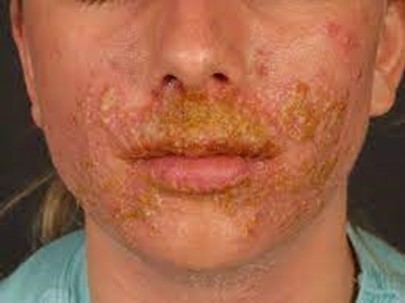
A nurse is preparing to teach a parent how to care for a child who has impetigo contagiosa.
Which of the following information should the nurse plan to include in the teaching?
A. Keep the child on droplet precautions at home.
Choice A. Keeping the child on droplet precautions at home is incorrect, as impetigo is not spread by respiratory droplets, but by direct contact with the sores or contaminated items.
B. Wash clothing in hot water.
This is an important measure to prevent the spreading of impetigo to others and to other parts of the body, as the bacteria can survive on clothing and other objects12.
C. Immunize household contacts for the disease.
Choice C. Immunizing household contacts for the disease is incorrect, as there is no vaccine for impetigo, which is caused by different types of bacteria.
D. Give the child a chlorine bath twice daily.
Choice D. Giving the child a chlorine bath twice daily is incorrect, as chlorine can irritate the skin and worsen impetigo. The recommended treatment is to wash the sores with soap and water and apply antibiotic ointment or cream23. Therefore, choice B is the best answer to this question.
Full Explanation
This is an important measure to prevent the spreading of impetigo to others and to other parts of the body, as the bacteria can survive on clothing and other objects12.
Choice A.
Keeping the child on droplet precautions at home is incorrect, as impetigo is not spread by respiratory droplets, but by direct contact with the sores or contaminated items.
Choice C.
Immunizing household contacts for the disease is incorrect, as there is no vaccine for impetigo, which is caused by different types of bacteria.
Choice D.
Giving the child a chlorine bath twice daily is incorrect, as chlorine can irritate the skin and worsen impetigo.
The recommended treatment is to wash the sores with soap and water and
apply antibiotic ointment or cream23.
Therefore, choice B is the best answer to this question.