Nursing practice questions with comprehensive rationales
NurseDive Free Nursing Practice Question
A woman is in active labor. On spontaneous rupture of her membranes, the nurse caring for this woman notices variable deceleration patterns during evaluation of the monitor tracing. When preparing to perform a vaginal examination, the nurse observes a small section of the umbilical cord protruding from the vagina. What should the nurse do next?
A. Wrap the cord loosely with a sterile towel saturated with warm normal saline.
Choice A) Wrap the cord loosely with a sterile towel saturated with warm normal saline: This is not an appropriate action because it does not relieve the compression of the cord, which can cause fetal hypoxia and acidosis. The cord should be kept moist, but not wrapped around anything.
B. Place a sterile gloved hand into the vagina and hold the presenting part off the cord while calling for assistance.
Choice B) Place a sterile gloved hand into the vagina and hold the presenting part off the cord while calling for assistance: This is the correct action because it prevents further descent of the fetus and reduces the pressure on the cord, which can improve fetal oxygenation and blood flow. The nurse should also elevate the woman's hips and place her in a knee-chest or Trendelenburg position to reduce gravity. The nurse should call for immediate assistance and prepare for an emergency cesarean section.
C. Increase the IV drip rate.
Choice C) Increase the IV drip rate: This is not an appropriate action because it does not address the cause of the variable decelerations, which is cord compression. Increasing the IV fluid may cause fluid overload and worsen maternal and fetal outcomes.
D. Administer oxygen to the woman via mask at 8 to 10 L/minute.
Choice D) Administer oxygen to the woman via mask at 8 to 10 L/minute: This is not an appropriate action because it does not relieve the cord compression, which is the main threat to fetal well-being. Oxygen administration may be helpful in some cases of fetal distress, but it is not sufficient in this situation.
This question is an excerpt from Nurse Dive's nursing test bank - ATI Maternity Proctored Exam 2. Take the full exam now
Full Explanation
Choice A) Wrap the cord loosely with a sterile towel saturated with warm normal saline: This is not an appropriate action because it does not relieve the compression of the cord, which can cause fetal hypoxia and acidosis. The cord should be kept moist, but not wrapped around anything.
Choice B) Place a sterile gloved hand into the vagina and hold the presenting part off the cord while calling for assistance: This is the correct action because it prevents further descent of the fetus and reduces the pressure on the cord, which can improve fetal oxygenation and blood flow. The nurse should also elevate the woman's hips and place her in a knee-chest or Trendelenburg position to reduce gravity. The nurse should call for immediate assistance and prepare for an emergency cesarean section.
Choice C) Increase the IV drip rate: This is not an appropriate action because it does not address the cause of the variable decelerations, which is cord compression. Increasing the IV fluid may cause fluid overload and worsen maternal and fetal outcomes.
Choice D) Administer oxygen to the woman via mask at 8 to 10 L/minute: This is not an appropriate action because it does not relieve the cord compression, which is the main threat to fetal well-being. Oxygen administration may be helpful in some cases of fetal distress, but it is not sufficient in this situation.
Similar Questions
A newborn has meconium aspiration at birth. The nurse notes increasing respiratory distress. What action takes priority?
A. Obtain an oxygen saturation.
Choice A) Obtain an oxygen saturation: This is not a priority action because it does not address the underlying cause of the respiratory distress, which is meconium aspiration. Meconium aspiration can cause airway obstruction, inflammation, infection, and pulmonary hypertension in the newborn. Oxygen saturation may be low, but it is not a reliable indicator of the severity of the condition.
B. Stimulate the baby to increase respirations.
Choice B) Stimulate the baby to increase respirations: This is not a priority action because it may worsen the respiratory distress by increasing the work of breathing and causing more meconium to be aspirated. Stimulation may also cause stress and hypoxia in the newborn.
C. Prepare to initiate ECMO.
Choice C) Prepare to initiate ECMO: This is not a priority action because it is a last resort treatment for severe cases of meconium aspiration syndrome that do not respond to conventional therapies. ECMO stands for extracorporeal membrane oxygenation, which is a form of life support that bypasses the lungs and provides oxygen to the blood. ECMO has many risks and complications, such as bleeding, infection, and organ damage. It should only be used when other options have failed and with the consent of the parents.
D. Notify the provider at once.
Choice D) Notify the provider at once: This is the correct action because it allows for prompt assessment and intervention by the provider, who can initiate appropriate treatments for meconium aspiration syndrome. These may include suctioning of the airway, administration of antibiotics, surfactant, or inhaled nitric oxide, and mechanical ventilation . Early treatment can improve the outcomes and reduce the complications of meconium aspiration syndrome.
Full Explanation
Choice A) Obtain an oxygen saturation: This is not a priority action because it does not address the underlying cause of the respiratory distress, which is meconium aspiration. Meconium aspiration can cause airway obstruction, inflammation, infection, and pulmonary hypertension in the newborn. Oxygen saturation may be low, but it is not a reliable indicator of the severity of the condition.
Choice B) Stimulate the baby to increase respirations: This is not a priority action because it may worsen the respiratory distress by increasing the work of breathing and causing more meconium to be aspirated. Stimulation may also cause stress and hypoxia in the newborn.
Choice C) Prepare to initiate ECMO: This is not a priority action because it is a last resort treatment for severe cases of meconium aspiration syndrome that do not respond to conventional therapies. ECMO stands for extracorporeal membrane oxygenation, which is a form of life support that bypasses the lungs and provides oxygen to the blood.
ECMO has many risks and complications, such as bleeding, infection, and organ damage. It should only be used when other options have failed and with the consent of the parents.
Choice D) Notify the provider at once: This is the correct action because it allows for prompt assessment and intervention by the provider, who can initiate appropriate treatments for meconium aspiration syndrome. These may include suctioning of the airway, administration of antibiotics, surfactant, or inhaled nitric oxide, and mechanical ventilation . Early treatment can improve the outcomes and reduce the complications of meconium aspiration syndrome.

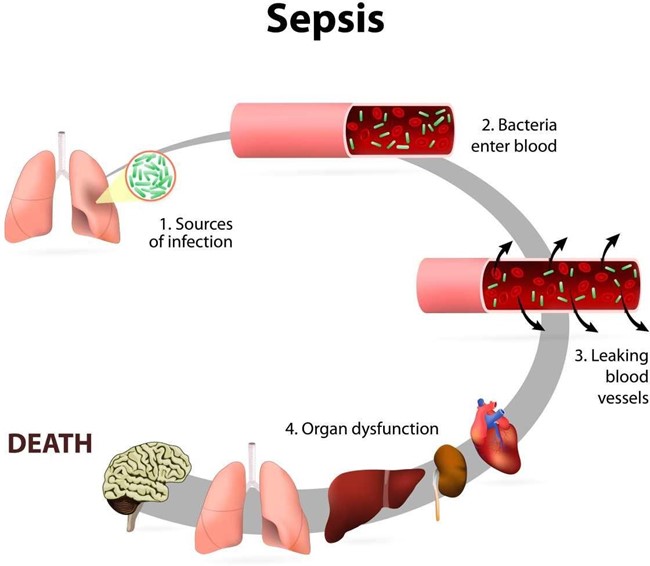
Which of the following would the nurse expect to assess in a newborn who develops sepsis?
A. Increased urinary output
Choice A) Increased urinary output: This is not a sign of sepsis in newborns. In fact, sepsis can cause reduced urinary output due to poor blood flow to the kidneys and dehydration.
B. Hypothermia
Choice B) Hypothermia: This is a sign of sepsis in newborns. Sepsis can cause changes in temperature, often fever, but sometimes low temperature. Hypothermia can indicate a severe infection that affects the body's ability to regulate its temperature.
C. Wakefulness
Choice C) Wakefulness: This is not a sign of sepsis in newborns. Sepsis can cause reduced activity and lethargy due to inflammation and organ dysfunction.
D. Interest in feeding
Choice D) Interest in feeding: This is not a sign of sepsis in newborns. Sepsis can cause reduced sucking and difficulty feeding due to poor appetite, nausea, vomiting, and abdominal distension.
Full Explanation
Choice A) Increased urinary output: This is not a sign of sepsis in newborns. In fact, sepsis can cause reduced urinary output due to poor blood flow to the kidneys and dehydration.
Choice B) Hypothermia: This is a sign of sepsis in newborns. Sepsis can cause changes in temperature, often fever, but sometimes low temperature. Hypothermia can indicate a severe infection that affects the body's ability to regulate its temperature.
Choice C) Wakefulness: This is not a sign of sepsis in newborns. Sepsis can cause reduced activity and lethargy due to inflammation and organ dysfunction.
Choice D) Interest in feeding: This is not a sign of sepsis in newborns. Sepsis can cause reduced sucking and difficulty feeding due to poor appetite, nausea, vomiting, and abdominal distension.
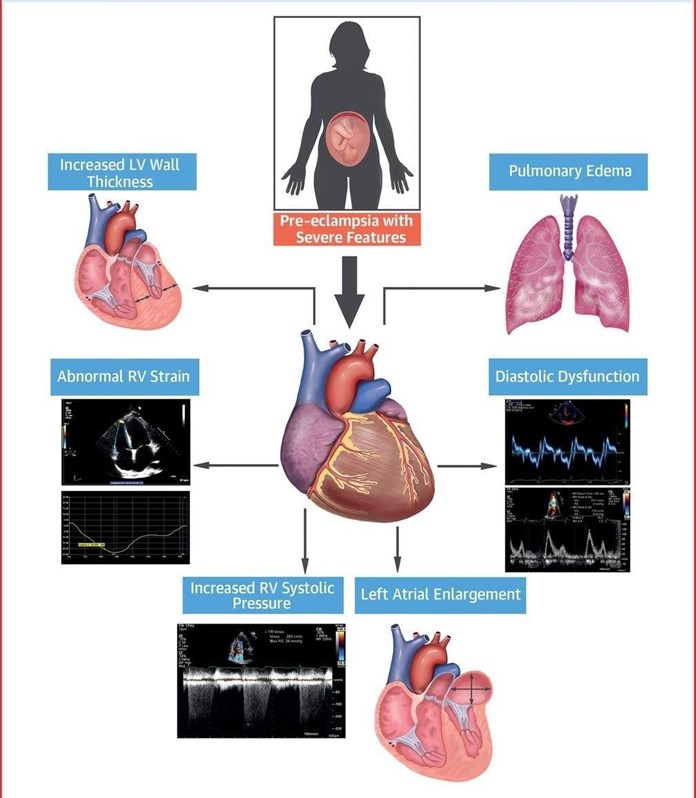
A woman with severe preeclampsia is being treated with bed rest and intravenous magnesium sulfate. The drug classification of this medication is
A. Antihypertensive
Choice A) Antihypertensive: This is not the correct classification of magnesium sulfate. Antihypertensives are drugs that lower blood pressure, such as beta blockers, calcium channel blockers, or angiotensin-converting enzyme inhibitors. Magnesium sulfate does not have a significant effect on blood pressure, and it is not used as a primary treatment for hypertension in preeclampsia.
B. Anticonvulsant
Choice B) Anticonvulsant: This is the correct classification of magnesium sulfate. Anticonvulsants are drugs that prevent or reduce the frequency and severity of seizures, such as phenytoin, valproic acid, or carbamazepine. Magnesium sulfate is used as a prophylactic and therapeutic agent for eclampsia, which is a life-threatening complication of preeclampsia characterized by seizures. Magnesium sulfate acts by blocking the neuromuscular transmission and reducing the cerebral edema and vasospasm.
C. Tocolytic
Choice C) Tocolytic: This is not the correct classification of magnesium sulfate. Tocolytics are drugs that inhibit uterine contractions and delay preterm labor, such as terbutaline, nifedipine, or indomethacin. Magnesium sulfate is not effective as a tocolytic agent, and it is not recommended for this purpose by the American College of Obstetricians and Gynecologists.
D. Diuretic
Choice D) Diuretic: This is not the correct classification of magnesium sulfate. Diuretics are drugs that increase urine output and reduce fluid retention, such as furosemide, hydrochlorothiazide, or spironolactone. Magnesium sulfate does not have a diuretic effect, and it can cause fluid overload and pulmonary edema if administered in excess.
Full Explanation
Choice A) Antihypertensive: This is not the correct classification of magnesium sulfate. Antihypertensives are drugs that lower blood pressure, such as beta blockers, calcium channel blockers, or angiotensin-converting enzyme inhibitors. Magnesium sulfate does not have a significant effect on blood pressure, and it is not used as a primary treatment for hypertension in preeclampsia.
Choice B) Anticonvulsant: This is the correct classification of magnesium sulfate. Anticonvulsants are drugs that prevent or reduce the frequency and severity of seizures, such as phenytoin, valproic acid, or carbamazepine.
Magnesium sulfate is used as a prophylactic and therapeutic agent for eclampsia, which is a life-threatening complication of preeclampsia characterized by seizures. Magnesium sulfate acts by blocking the neuromuscular transmission and reducing the cerebral edema and vasospasm.
Choice C) Tocolytic: This is not the correct classification of magnesium sulfate. Tocolytics are drugs that inhibit uterine contractions and delay preterm labor, such as terbutaline, nifedipine, or indomethacin. Magnesium sulfate is not effective as a tocolytic agent, and it is not recommended for this purpose by the American College of Obstetricians and Gynecologists.
Choice D) Diuretic: This is not the correct classification of magnesium sulfate. Diuretics are drugs that increase urine output and reduce fluid retention, such as furosemide, hydrochlorothiazide, or spironolactone. Magnesium sulfate does not have a diuretic effect, and it can cause fluid overload and pulmonary edema if administered in excess.