
Nursing practice questions with comprehensive rationales
NurseDive Free Nursing Practice Question
A young female client is admitted to the emergency room because she was raped that evening by her date.
How should the registered nurse record the client's chief complaint in the medical record?
A. Gent clams that she was forced to participate in sexual intercourse by a friend
Option a uses colloquial language and may not accurately convey the severity and trauma of the situation.
B. Client States “my date raped me tonight."
This statement clearly and accurately conveys the client's complaint of being raped by her date. It's important for healthcare providers to use appropriate language when documenting sensitive situations like sexual assault to ensure clear communication among the healthcare team and accurate documentation for legal and forensic purposes.
C. Client has been sexually assaulted last night at 10 pm
Option c uses vague language that does not clearly state the nature of the incident.
D. Client reported that she had sexual relations against her Will and she feels very bad
Option d uses subjective language that may not be helpful for accurately documenting the client's complaint.
This question is an excerpt from Nurse Dive's nursing test bank - Mental Health - Proctored Exam 2. Take the full exam now
Full Explanation
This statement clearly and accurately conveys the client's complaint of being raped by her date.
Option a uses colloquial language and may not accurately convey the severity and trauma of the situation.
Option c uses vague language that does not clearly state the nature of the incident.
Option d uses subjective language that may not be helpful for accurately documenting the client's complaint.
It's important for healthcare providers to use appropriate language when documenting sensitive situations like sexual assault to ensure clear communication among the healthcare team and accurate documentation for legal and forensic purposes.
Similar Questions
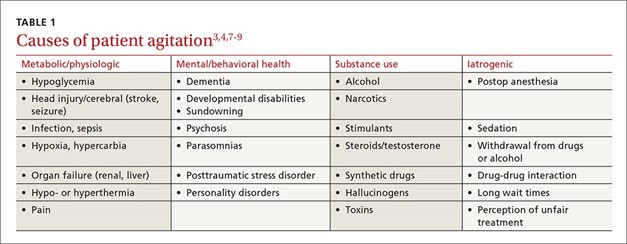
A client is agitated and pacing in the hall near the nurses' station and swearing loudly. What response is the best for the registered nurse to provide?
Select one:
A. Others are being distracted; Please, quiet down and go to your room.
Option a ("Others are being distracted; Please, quiet down and go to your room") is dismissive of the client's feelings and may further escalate the situation.
B. You seem pretty upset. Tell me about it
This response acknowledges the client's distress and opens the opportunity for the client to express their feelings and concerns. It also demonstrates empathy and a willingness to listen, which can help deescalate the situation and build trust between the nurse and client.
C. Please go to your room to get control of yourself.
Option c ("Please go to your room to get control of yourself") is directive and may be perceived as confrontational, potentially increasing the client's agitation.
D. What’s going on? Be quiet.
Option d ("What's going on? Be quiet") is insensitive and dismissive of the client's distress and may further agitate the client.
Full Explanation
This response acknowledges the client's distress and opens the opportunity for the client to express their feelings and concerns. It also demonstrates empathy and a willingness to listen, which can help deescalate the situation and build trust between the nurse and client.
Option a ("Others are being distracted; Please, quiet down and go to your room") is dismissive of the client's feelings and may further escalate the situation.
Option c ("Please go to your room to get control of yourself") is directive and may be perceived as confrontational, potentially increasing the client's agitation.
Option d ("What's going on? Be quiet") is insensitive and dismissive of the client's distress and may further agitate the client.
Lorazepam (Ativan) is prescribed for a client experiencing severe acute anxiety. Most important teaching should include instructions to:
A. avoid taking opioid medications and other sedatives.
Lorazepam belongs to a class of drugs called benzodiazepines, which are central nervous system (CNS) depressants. Taking other CNS depressants such as opioids or sedatives along with lorazepam can lead to increased sedation, respiratory depression, and other serious side effects. It is crucial for patients to avoid these medications while taking lorazepam.
B. report insomnia
Reporting insomnia is important, but it is not the most critical teaching for this medication. Eating a tyramine-free diet is not relevant to lorazepam use.
C. eat a tyramine-free diet.
D. adjust dose and frequency based on your anxiety level.
Adjusting the dose and frequency based on anxiety level is not recommended as it can lead to misuse or dependence on the medication. It is important to take lorazepam only as prescribed by a healthcare provider.
Full Explanation
Lorazepam belongs to a class of drugs called benzodiazepines, which are central nervous system (CNS) depressants.
Taking other CNS depressants such as opioids or sedatives along with lorazepam can lead to increased sedation, respiratory depression, and other serious side effects. It is crucial for patients to avoid these medications while taking lorazepam.
Reporting insomnia is important, but it is not the most critical teaching for this medication. Eating a tyramine-free diet is not relevant to lorazepam use.
Adjusting the dose and frequency based on anxiety level is not recommended as it can lead to misuse or dependence on the medication. It is important to take lorazepam only as prescribed by a healthcare provider.
When reviewing the admission assessment, the Registered nurse notes that a client was admitted to the mental health unit with involuntarily status. Based on this type of admission, the registered nurse should provide which intervention for this client?
Select one:
A. Monitor closely for opioid overdose.
Option a is more appropriate for a client with a history of opioid use.
B. Monitor closely for harm to a family member.
Option b is more appropriate for a client with a history of violence or aggression towards family members.
C. Monitor closely for severe anxiety and stress.
When a client is admitted with an involuntary status, it means that the client did not consent to the admission and was likely admitted due to being a danger to themselves or others. This can lead to increased stress and anxiety for the client, so the nurse should closely monitor the client for signs of severe anxiety and stress. Options a, b, and d are not appropriate interventions for a client admitted with an involuntary status.
D. Monitor closely for using Methamphetamines.
Option d is more appropriate for a client with a history of methamphetamine use.
Full Explanation
When a client is admitted with an involuntary status, it means that the client did not consent to the admission and was likely admitted due to being a danger to themselves or others. This can lead to increased stress and anxiety for the client, so the nurse should closely monitor the client for signs of severe anxiety and stress.
Options a, b, and d are not appropriate interventions for a client admitted with an involuntary status.
Option a is more appropriate for a client with a history of opioid use.
Option b is more appropriate for a client with a history of violence or aggression towards family members.
Option d is more appropriate for a client with a history of methamphetamine use.