Nursing practice questions with comprehensive rationales
NurseDive Free Nursing Practice Question
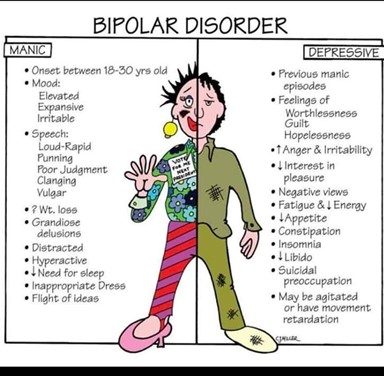
An acute mental health whit is admitting a client who has bipolar disorder. Which of the following findings supports the admitting diagnosis of acute mania?
A. The client responds to questions with disorganized speech.
Disorganized speech is a hallmark of acute mania, often reflecting racing thoughts, pressured speech, and difficulty staying on topic.
B. The client reports that voices are telling him to write a novel.
Reporting that voices are telling the client to write a novel suggests auditory hallucinations, which can occur in various psychiatric conditions, not specifically indicative of acute mania.
C. The client's spouse reports that client has recently gained weight.
Weight gain is not a typical hallmark of acute mania. In fact, during manic episodes, individuals might experience decreased appetite and sleep, leading to potential weight loss.
D. The client is dressed in all black.
Dressing in all black is not a specific sign of acute mania. While changes in clothing choices or appearance can sometimes be associated with mood changes, this finding alone is not indicative of acute mania.
This question is an excerpt from Nurse Dive's nursing test bank - ATI Mental Health Proctored Exam. Take the full exam now
Full Explanation
A. The client responds to questions with disorganized speech:
Disorganized speech is a hallmark of acute mania, often reflecting racing thoughts, pressured speech, and difficulty staying on topic.
B. The client reports that voices are telling him to write a novel:
Reporting that voices are telling the client to write a novel suggests auditory hallucinations, which can occur in various psychiatric conditions, not specifically indicative of acute mania.
C. The client's spouse reports that the client has recently gained weight:
Weight gain is not a typical hallmark of acute mania. In fact, during manic episodes, individuals might experience decreased appetite and sleep, leading to potential weight loss.
D. The client is dressed in all black:
Dressing in all black is not a specific sign of acute mania. While changes in clothing choices or appearance can sometimes be associated with mood changes, this finding alone is not indicative of acute mania.
Similar Questions
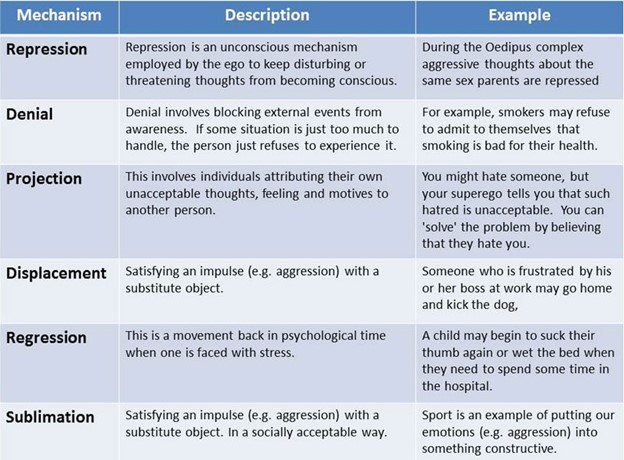
A nurse at a college campus mental health counseling center is caring for a student who just failed an examination. The student spends the session berating the teacher and the course. The nurse should recognize this behavior as which of the following defense mechanisms?
A. Regression
Regression is a defense mechanism in which a person reverts to an earlier stage of development in response to stress or anxiety. For example, an adult might start behaving like a child when faced with a difficult situation. In this case, the student berating the teacher doesn't demonstrate a return to an earlier developmental stage, so regression is not the correct choice.
B. Conversion
Conversion refers to the conversion of emotional distress into physical symptoms, such as experiencing physical pain without any apparent physical cause. This mechanism is often seen in conditions like conversion disorder. The student berating the teacher is not exhibiting physical symptoms as a response to emotional distress, so conversion is not the correct choice.
C. Projection
Projection is the act of attributing one's own unacceptable feelings or thoughts to another person. In this scenario, the student is projecting their own failure onto the teacher and the course by blaming them for the failure. They are unable to accept their own role in the failure and are instead placing the blame on external factors. This aligns with the behavior described in the scenario.
D. Undoing
Undoing involves trying to compensate for or negate an unacceptable action or thought with a contrary action. For instance, someone who had angry thoughts might engage in excessive acts of kindness to "undo" those thoughts. The student berating the teacher is not engaging in actions to negate their negative feelings or thoughts; they are expressing their frustration directly.
Full Explanation
A. Regression: Incorrect
Regression is a defense mechanism in which a person reverts to an earlier stage of development in response to stress or anxiety. For example, an adult might start behaving like a child when faced with a difficult situation. In this case, the student berating the teacher doesn't demonstrate a return to an earlier developmental stage, so regression is not the correct choice.
B. Conversion: Incorrect
Conversion refers to the conversion of emotional distress into physical symptoms, such as experiencing physical pain without any apparent physical cause. This mechanism is often seen in conditions like conversion disorder. The student berating the teacher is not exhibiting physical symptoms as a response to emotional distress, so conversion is not the correct choice.
C. Projection: Correct
Projection is the act of attributing one's own unacceptable feelings or thoughts to another person. In this scenario, the student is projecting their own failure onto the teacher and the course by blaming them for the failure. They are unable to accept their own role in the failure and are instead placing the blame on external factors. This aligns with the behavior described in the scenario.
D. Undoing: Incorrect
Undoing involves trying to compensate for or negate an unacceptable action or thought with a contrary action. For instance, someone who had angry thoughts might engage in excessive acts of kindness to "undo" those thoughts. The student berating the teacher is not engaging in actions to negate their negative feelings or thoughts; they are expressing their frustration directly.
A client who has major depressive disorder states to the nurse that he and his family would be better off if he were gone. Which of the following is the nurse's priority response?
A. "Are you thinking of harming yourself?"
This is the priority response because it directly addresses the client's statement about being better off gone, which raises concerns about potential suicidal thoughts. Asking this question allows the nurse to assess the client's risk of self-harm or suicide and take appropriate actions to ensure their safety.
B. "Do you really think your family would be better off without you?"
While this response attempts to engage the client in a conversation, it doesn't directly address the immediate concern of suicidal thoughts. It's important to prioritize assessing the client's safety before exploring their feelings about their family's perspective.
C. "When did you first start feeling this way?"
While understanding the client's history and the onset of their feelings is important, it's not the priority response in this situation. Assessing the client's risk of harm takes precedence over gathering historical information.
D. "Tell me what is happening right now."
This response doesn't directly address the client's statement about being better off gone and doesn't assess the immediate risk of self-harm or suicide. While understanding the client's current situation is valuable, safety concerns should be addressed first.
Full Explanation
A. "Are you thinking of harming yourself?": Correct
This is the priority response because it directly addresses the client's statement about being better off gone, which raises concerns about potential suicidal thoughts. Asking this question allows the nurse to assess the client's risk of self-harm or suicide and take appropriate actions to ensure their safety.
B. "Do you really think your family would be better off without you?": Incorrect
While this response attempts to engage the client in a conversation, it doesn't directly address the immediate concern of suicidal thoughts. It's important to prioritize assessing the client's safety before exploring their feelings about their family's perspective.
C. "When did you first start feeling this way?": Incorrect
While understanding the client's history and the onset of their feelings is important, it's not the priority response in this situation. Assessing the client's risk of harm takes precedence over gathering historical information.
D. "Tell me what is happening right now.": Incorrect
This response doesn't directly address the client's statement about being better off gone and doesn't assess the immediate risk of self-harm or suicide. While understanding the client's current situation is valuable, safety concerns should be addressed first.
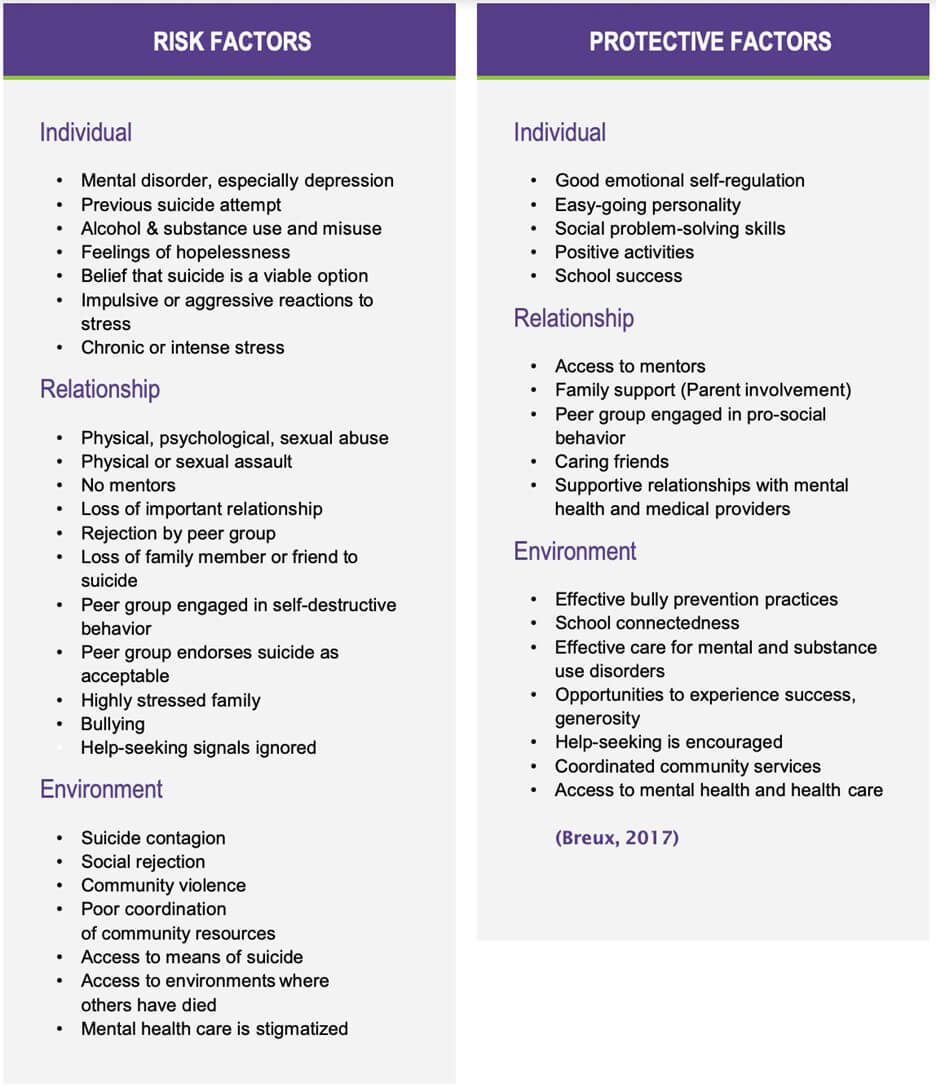
A nurse is providing a community health education class about suicide prevention. Which of the following should the nurse identify as risk factors for suicide? (Select all that apply).
A. Female gender
While the risk of attempted suicide is generally higher in females, completed suicide rates are higher in males. Therefore, being female is not typically considered a primary risk factor for suicide, though it's important to note that both genders require attention for prevention.
B. Currently married
Being married is generally considered a protective factor against suicide. Social support and close relationships tend to reduce the risk of suicidal behavior.
C. Age greater than 45 years old
Suicide risk tends to increase with age, particularly for men. Individuals over 45, especially those facing chronic illness, social isolation, or significant life changes, are at higher risk.
D. Substance use disorder
Substance use disorder is a significant risk factor for suicide. Substance abuse can contribute to feelings of hopelessness and despair, impair judgment, and lower inhibitions, increasing the likelihood of suicidal behavior.
E. Schizophrenia: Correct
Schizophrenia is a mental disorder associated with an increased risk of suicide. The symptoms of schizophrenia, such as hallucinations, delusions, and feelings of isolation, can contribute to severe distress and increase the risk of suicidal ideation and behaviors.
Full Explanation
A. Female gender: Incorrect
While the risk of attempted suicide is generally higher in females, completed suicide rates are higher in males. Therefore, being female is not typically considered a primary risk factor for suicide, though it's important to note that both genders require attention for prevention.
B. Currently married: Incorrect
Being married is generally considered a protective factor against suicide. Social support and close relationships tend to reduce the risk of suicidal behavior.
C. Age greater than 45 years old: correct
Suicide risk tends to increase with age, particularly for men. Individuals over 45, especially those facing chronic illness, social isolation, or significant life changes, are at higher risk.
D. Substance use disorder: Correct
Substance use disorder is a significant risk factor for suicide. Substance abuse can contribute to feelings of hopelessness and despair, impair judgment, and lower inhibitions, increasing the likelihood of suicidal behavior.
E. Schizophrenia: Correct
Schizophrenia is a mental disorder associated with an increased risk of suicide. The symptoms of schizophrenia, such as hallucinations, delusions, and feelings of isolation, can contribute to severe distress and increase the risk of suicidal ideation and behaviors.