
Nursing practice questions with comprehensive rationales
NurseDive Free Nursing Practice Question
An adult with arthritis has been receiving treatment with naproxen and now reports ongoing stomach pain, increasing weakness, and fatigue. Which laboratory test should the nurse monitor?
A. Creatinine
A: Creatinine is not a relevant laboratory test for the nurse to monitor, as this reflects renal function and is not affected by naproxen or arthritis. This is a distractor choice.
B. Serum calcium
B: Serum calcium is not a pertinent laboratory test for the nurse to monitor, as this indicates bone metabolism and is not related to naproxen or arthritis. This is another distractor choice.
C. Erythrocyte sedimentation rate
C: Erythrocyte sedimentation rate is not an important laboratory test for the nurse to monitor, as this measures inflammation and is not influenced by naproxen or stomach pain. This is another distractor choice.
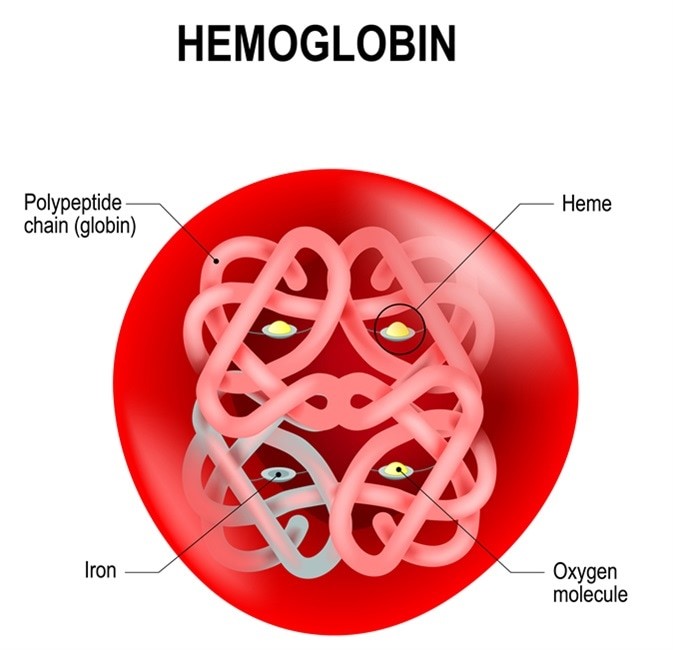
D. Hemoglobin
D: Hemoglobin is an essential laboratory test for the nurse to monitor, as this shows blood oxygen-carrying capacity and can be reduced by naproxen-induced gastrointestinal bleeding, which can cause stomach pain, weakness, and fatigue. Therefore, this is the correct choice.
This question is an excerpt from Nurse Dive's nursing test bank - HESI Exit II Proctored Exam. Take the full exam now
Full Explanation
Choice A: Creatinine is not a relevant laboratory test for the nurse to monitor, as this reflects renal function and is not affected by naproxen or arthritis. This is a distractor choice.
Choice B: Serum calcium is not a pertinent laboratory test for the nurse to monitor, as this indicates bone metabolism and is not related to naproxen or arthritis. This is another distractor choice.
Choice C: Erythrocyte sedimentation rate is not an important laboratory test for the nurse to monitor, as this measures inflammation and is not influenced by naproxen or stomach pain. This is another distractor choice.
Choice D: Hemoglobin is an essential laboratory test for the nurse to monitor, as this shows blood oxygen-carrying capacity and can be reduced by naproxen-induced gastrointestinal bleeding, which can cause stomach pain, weakness, and fatigue. Therefore, this is the correct choice.
Similar Questions
A mother calls the nurse to report that at 0900 she administered an oral dose of digoxin to her 4-month-old infant, but at 0920 the baby vomited the medicine. Which instruction should the nurse provide to this mother?
A. Administer a half dose now.
A: Administering a half dose now is not a safe instruction for the nurse to provide, as this can result in overdosing or underdosing the infant, depending on how much of the medicine was absorbed or expelled. This is a contraindicated choice.
B. Give another dose
B: Giving another dose is not a prudent instruction for the nurse to provide, as this can cause digoxin toxicity, which can be life-threatening for the infant. This is another contraindicated choice.
C. Mix the next dose with food.
C: Mixing the next dose with food is not a relevant instruction for the nurse to provide, as this does not address the current situation and can affect the absorption and effectiveness of digoxin. This is a distractor choice.
D. Withhold this dose
D: Withholding this dose is a sensible instruction for the nurse to provide, as this can prevent adverse effects and allow the infant's serum digoxin level to be checked before giving another dose. Therefore, this is the correct choice.
Full Explanation
Choice A: Administering a half dose now is not a safe instruction for the nurse to provide, as this can result in overdosing or underdosing the infant, depending on how much of the medicine was absorbed or expelled. This is a contraindicated choice.
Choice B: Giving another dose is not a prudent instruction for the nurse to provide, as this can cause digoxin toxicity, which can be life-threatening for the infant. This is another contraindicated choice.
Choice C: Mixing the next dose with food is not a relevant instruction for the nurse to provide, as this does not address the current situation and can affect the absorption and effectiveness of digoxin. This is a distractor choice.
Choice D: Withholding this dose is a sensible instruction for the nurse to provide, as this can prevent adverse effects and allow the infant's serum digoxin level to be checked before giving another dose. Therefore, this is the correct choice.
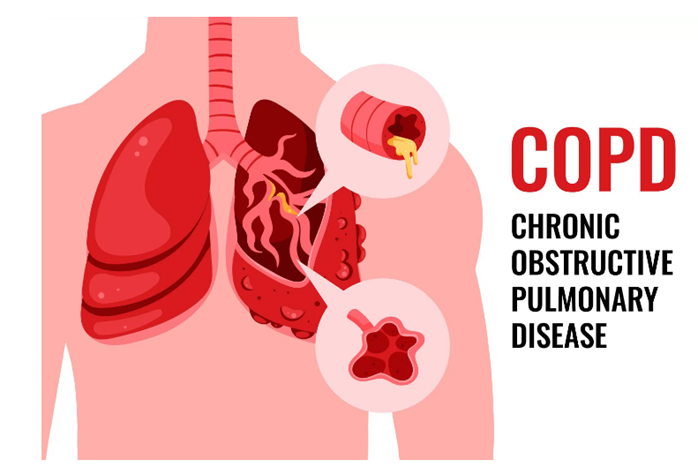
An adolescent from a poor neighborhood who has a history of severe chronic obstructive pulmonary disease (COPD. and peripheral vascular disease (PVD. is being discharged from a funded nursing facility. Which action is most important for the nurse to implement?
A. Reinforce need for adequate hydration.
A: Reinforcing need for adequate hydration is not the most important action for the nurse to implement, as this is a general recommendation for all clients and does not address the specific needs of this client. This is a distractor choice.
B. Provide typed instructions for healthy diet selection.
B: Providing typed instructions for healthy diet selection is not the most important action for the nurse to implement, as this may not be feasible or accessible for this client who lives in a poor neighborhood and may have limited resources and literacy. This is another distractor choice.
C. Schedule follow-up appointments with specialists.
C: Scheduling follow-up appointments with specialists is the most important action for the nurse to implement, as this can ensure that this client receives continuous and comprehensive care for their complex and chronic conditions, which can improve their outcomes and quality of life. Therefore, this is the correct choice.
D. Demonstrate specific breathing and walking exercises.
D: Demonstrating specific breathing and walking exercises is not the most important action for the nurse to implement, as this can be done by other health care professionals or at home by the client. This is another distractor choice.
Full Explanation
Choice A: Reinforcing need for adequate hydration is not the most important action for the nurse to implement, as this is a general recommendation for all clients and does not address the specific needs of this client. This is a distractor choice.
Choice B: Providing typed instructions for healthy diet selection is not the most important action for the nurse to implement, as this may not be feasible or accessible for this client who lives in a poor neighborhood and may have limited resources and literacy. This is another distractor choice.
Choice C: Scheduling follow-up appointments with specialists is the most important action for the nurse to implement, as this can ensure that this client receives continuous and comprehensive care for their complex and chronic conditions, which can improve their outcomes and quality of life. Therefore, this is the correct choice.
Choice D: Demonstrating specific breathing and walking exercises is not the most important action for the nurse to implement, as this can be done by other health care professionals or at home by the client. This is another distractor choice.
An adult client is admitted to the critical care unit with systemic inflammatory response syndrome (SIRS) as a result of a postburn infection. The client has a long line peripherally inserted IV catheter for fluid and medication administration and current vital signs include temperature 102.8°F (39.3°C., heart rate 108 beats/minute, respirations 32 breaths/minute. Which action should the nurse implement first?
A. Provide bedside equipment for transmission and protective precautions.
A: Providing bedside equipment for transmission and protective precautions is not the first action that the nurse should implement, as this is a standard precaution that should be already in place for all clients in the critical care unit. This is a distractor choice.
B. Evaluate daily serum electrolytes and hydration status.
B: Evaluating daily serum electrolytes and hydration status is not the first action that the nurse should implement, as this is a routine assessment that can be done later after addressing the immediate problem of infection. This is another distractor choice.
C. Culture sputum, urine, burn wound, and all intravenous access sites.
C: Culturing sputum, urine, burn wound, and all intravenous access sites is the first action that the nurse should implement, as this can help identify the source and type of infection, which can guide the appropriate antibiotic therapy and prevent further complications. Therefore, this is the correct choice.
D. Implement central line-associated bloodstream infection (CLABSI) protocols.
D: Implementing central line-associated bloodstream infection (CLABSI) protocols is not the first action that the nurse should implement, as this is a preventive measure that may not be applicable for this client who already has SIRS. This is another distractor choice.
Full Explanation
Choice A: Providing bedside equipment for transmission and protective precautions is not the first action that the nurse should implement, as this is a standard precaution that should be already in place for all clients in the critical care unit. This is a distractor choice.
Choice B: Evaluating daily serum electrolytes and hydration status is not the first action that the nurse should implement, as this is a routine assessment that can be done later after addressing the immediate problem of infection. This is another distractor choice.
Choice C: Culturing sputum, urine, burn wound, and all intravenous access sites is the first action that the nurse should implement, as this can help identify the source and type of infection, which can guide the appropriate antibiotic therapy and prevent further complications. Therefore, this is the correct choice.
Choice D: Implementing central line-associated bloodstream infection (CLABSI) protocols is not the first action that the nurse should implement, as this is a preventive measure that may not be applicable for this client who already has SIRS. This is another distractor choice.