
Nursing practice questions with comprehensive rationales
NurseDive Free Nursing Practice Question
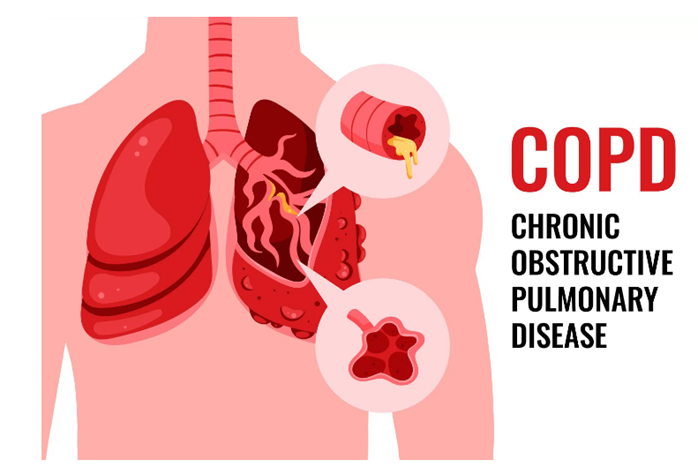
An adolescent from a poor neighborhood who has a history of severe chronic obstructive pulmonary disease (COPD. and peripheral vascular disease (PVD. is being discharged from a funded nursing facility. Which action is most important for the nurse to implement?
A. Reinforce need for adequate hydration.
A: Reinforcing need for adequate hydration is not the most important action for the nurse to implement, as this is a general recommendation for all clients and does not address the specific needs of this client. This is a distractor choice.
B. Provide typed instructions for healthy diet selection.
B: Providing typed instructions for healthy diet selection is not the most important action for the nurse to implement, as this may not be feasible or accessible for this client who lives in a poor neighborhood and may have limited resources and literacy. This is another distractor choice.
C. Schedule follow-up appointments with specialists.
C: Scheduling follow-up appointments with specialists is the most important action for the nurse to implement, as this can ensure that this client receives continuous and comprehensive care for their complex and chronic conditions, which can improve their outcomes and quality of life. Therefore, this is the correct choice.
D. Demonstrate specific breathing and walking exercises.
D: Demonstrating specific breathing and walking exercises is not the most important action for the nurse to implement, as this can be done by other health care professionals or at home by the client. This is another distractor choice.
This question is an excerpt from Nurse Dive's nursing test bank - HESI Exit II Proctored Exam. Take the full exam now
Full Explanation
Choice A: Reinforcing need for adequate hydration is not the most important action for the nurse to implement, as this is a general recommendation for all clients and does not address the specific needs of this client. This is a distractor choice.
Choice B: Providing typed instructions for healthy diet selection is not the most important action for the nurse to implement, as this may not be feasible or accessible for this client who lives in a poor neighborhood and may have limited resources and literacy. This is another distractor choice.
Choice C: Scheduling follow-up appointments with specialists is the most important action for the nurse to implement, as this can ensure that this client receives continuous and comprehensive care for their complex and chronic conditions, which can improve their outcomes and quality of life. Therefore, this is the correct choice.
Choice D: Demonstrating specific breathing and walking exercises is not the most important action for the nurse to implement, as this can be done by other health care professionals or at home by the client. This is another distractor choice.
Similar Questions
An adult client is admitted to the critical care unit with systemic inflammatory response syndrome (SIRS) as a result of a postburn infection. The client has a long line peripherally inserted IV catheter for fluid and medication administration and current vital signs include temperature 102.8°F (39.3°C., heart rate 108 beats/minute, respirations 32 breaths/minute. Which action should the nurse implement first?
A. Provide bedside equipment for transmission and protective precautions.
A: Providing bedside equipment for transmission and protective precautions is not the first action that the nurse should implement, as this is a standard precaution that should be already in place for all clients in the critical care unit. This is a distractor choice.
B. Evaluate daily serum electrolytes and hydration status.
B: Evaluating daily serum electrolytes and hydration status is not the first action that the nurse should implement, as this is a routine assessment that can be done later after addressing the immediate problem of infection. This is another distractor choice.
C. Culture sputum, urine, burn wound, and all intravenous access sites.
C: Culturing sputum, urine, burn wound, and all intravenous access sites is the first action that the nurse should implement, as this can help identify the source and type of infection, which can guide the appropriate antibiotic therapy and prevent further complications. Therefore, this is the correct choice.
D. Implement central line-associated bloodstream infection (CLABSI) protocols.
D: Implementing central line-associated bloodstream infection (CLABSI) protocols is not the first action that the nurse should implement, as this is a preventive measure that may not be applicable for this client who already has SIRS. This is another distractor choice.
Full Explanation
Choice A: Providing bedside equipment for transmission and protective precautions is not the first action that the nurse should implement, as this is a standard precaution that should be already in place for all clients in the critical care unit. This is a distractor choice.
Choice B: Evaluating daily serum electrolytes and hydration status is not the first action that the nurse should implement, as this is a routine assessment that can be done later after addressing the immediate problem of infection. This is another distractor choice.
Choice C: Culturing sputum, urine, burn wound, and all intravenous access sites is the first action that the nurse should implement, as this can help identify the source and type of infection, which can guide the appropriate antibiotic therapy and prevent further complications. Therefore, this is the correct choice.
Choice D: Implementing central line-associated bloodstream infection (CLABSI) protocols is not the first action that the nurse should implement, as this is a preventive measure that may not be applicable for this client who already has SIRS. This is another distractor choice.
The nurse is caring for a group of clients with the help of a practical nurse (PN). Which nursing action(s) should the nurse assign to the PN? (Select all that apply.)
A. Obtain postoperative vital signs for a client one day following unilateral knee arthroplasty.
A: Obtaining postoperative vital signs for a client one day following unilateral knee arthroplasty is a nursing action that the nurse can assign to the PN, as this is a basic skill that does not require complex judgment or intervention by the registered nurse. Therefore, this is a correct choice.
B. Start the second blood transfusion for a client twelve hours following a below knee amputation.
B: Starting the second blood transfusion for a client twelve hours following a below knee amputation is not a nursing action that the nurse should assign to the PN, as this is an advanced skill that requires close monitoring and evaluation by the registered nurse. This is an incorrect choice.
C. Initiate patient controlled analgesia (PCA. pumps for two clients immediately postoperatively.
C: Initiating patient controlled analgesia (PCA. pumps for two clients immediately postoperatively is not a nursing action that the nurse should assign to the PN, as this involves administering controlled substances and assessing pain levels, which are beyond the scope of practice of the PN. This is another incorrect choice.
D. Perform daily surgical dressing change for a client who had an abdominal hysterectomy.
D: Performing daily surgical dressing change for a client who had an abdominal hysterectomy is a nursing action that the nurse can assign to the PN, as this is a routine task that can be done under the supervision and direction of the registered nurse. Therefore, this is another correct choice.
E. Administer a dose of insulin per sliding scale for a client with type 2 diabetes mellitus (DM).
E: Administering a dose of insulin per sliding scale for a client with type 2 diabetes mellitus (DM) is a nursing action that the nurse can assign to the PN, as this is an established protocol that can be followed by the PN with appropriate documentation and reporting. Therefore, this is another correct choice.
Full Explanation
Choice A: Obtaining postoperative vital signs for a client one day following unilateral knee arthroplasty is a nursing action that the nurse can assign to the PN, as this is a basic skill that does not require complex judgment or intervention by the registered nurse. Therefore, this is a correct choice.
Choice B: Starting the second blood transfusion for a client twelve hours following a below knee amputation is not a nursing action that the nurse should assign to the PN, as this is an advanced skill that requires close monitoring and evaluation by the registered nurse. This is an incorrect choice.
Choice C: Initiating patient controlled analgesia (PCA. pumps for two clients immediately postoperatively is not a nursing action that the nurse should assign to the PN, as this involves administering controlled substances and assessing pain levels, which are beyond the scope of practice of the PN. This is another incorrect choice.
Choice D: Performing daily surgical dressing change for a client who had an abdominal hysterectomy is a nursing action that the nurse can assign to the PN, as this is a routine task that can be done under the supervision and direction of the registered nurse. Therefore, this is another correct choice.
Choice E: Administering a dose of insulin per sliding scale for a client with type 2 diabetes mellitus (DM) is a nursing action that the nurse can assign to the PN, as this is an established protocol that can be followed by the PN with appropriate documentation and reporting. Therefore, this is another correct choice.
The nurse is preparing a 4-day-old infant with a serum bilirubin level of 19 mg/dL (325 µmol/L) for discharge from the hospital. When teaching the parents about home phototherapy, which instruction should the nurse include in the discharge teaching plan?
Reference Range
Total Bilirubin [Reference Range: Newborn: 0.1 to 10.5 mg/dL (1.7 to 180 µmol/L)]
A. Feed the infant every 4 hours.
A is incorrect because feeding the infant every 4 hours is not specific to home phototherapy. The infant may need more frequent feedings depending on their hunger cues and weight gain.
B. Perform diaper changes under the light.
B is incorrect because performing diaper changes under the light is not necessary and may expose the infant's genitals to excessive light and heat. The nurse should advise the parents to cover the infant's eyes and genitals with protective shields during phototherapy.
C. Reposition the infant every 2 hours.
C is correct because repositioning the infant every 2 hours can help expose different parts of the skin to the phototherapy light and increase the effectiveness of the treatment. The nurse should also check the skin for signs of irritation or burns.
D. Cover with a receiving blanket.
D is incorrect because covering the infant with a receiving blanket can reduce the exposure of the skin to the phototherapy light and decrease the effectiveness of the treatment. The nurse should advise the parents to keep the infant unclothed or only in a diaper during phototherapy.
Full Explanation
Choice C is correct because repositioning the infant every 2 hours can help expose different parts of the skin to the phototherapy light and increase the effectiveness of the treatment. The nurse should also check the skin for signs of irritation or burns.
Choice A is incorrect because feeding the infant every 4 hours is not specific to home phototherapy. The infant may need more frequent feedings depending on their hunger cues and weight gain.
Choice B is incorrect because performing diaper changes under the light is not necessary and may expose the infant's genitals to excessive light and heat. The nurse should advise the parents to cover the infant's eyes and genitals with protective shields during phototherapy.
Choice D is incorrect because covering the infant with a receiving blanket can reduce the exposure of the skin to the phototherapy light and decrease the effectiveness of the treatment. The nurse should advise the parents to keep the infant unclothed or only in a diaper during phototherapy.