Nursing practice questions with comprehensive rationales
NurseDive Free Nursing Practice Question
Blood is what kind of solution?
A. None
B. Hypertonic
C. Isotonic
D. Hypotonic
This question is an excerpt from Nurse Dive's nursing test bank - Ati Patho/pharmacology Nur20500 Proctored Exam. Take the full exam now
Full Explanation
Rationale-Blood is considered an isotonic solution because its solute concentration is similar to that of the cells in the body, allowing for free movement of water across cell membranes without causing a net influx or efflux of water. This isotonic nature is crucial for maintaining cell integrity and function.
Isotonic solutions have the same osmotic pressure as body’s plasma
B-Hypertonic solution like 3% saline have higher osmotic pressure compared to plasma. This type of solutions draw water from the cells causing shrinkage
D-Hypotonic solution like 0.45% saline have lower osmotic pressure as compared to plasma. They cause swelling of cells with eventual damage
Similar Questions
A nurse is planning care for a client who has dehydration and hypotension. Which of the following actions should the nurse plan to take?
A. Increase the client's fluid intake.
Rationale- the most appropriate action for a nurse to plan would be to increase the client's fluid intake. This action helps to restore the fluid volume in the body, thereby improving blood pressure levels.
B. Instruct the client to perform the Valsalva maneuver.
B- The Valsalva maneuver is not typically recommended for hypotension as it can further decrease blood pressure.
C. Elevate the head of the client’s bed,
C- Elevating the head of the bed is generally advised for clients with respiratory issues, not primarily for those with hypotension. Guided imagery can be a useful tool for relaxation but does not directly address the immediate physiological needs of dehydration and hypotension.
D. Encourage the client to use guided imagery to relax.
D- Relaxation does not solve the client’s issues
Full Explanation
Rationale- the most appropriate action for a nurse to plan would be to increase the client's fluid intake. This action helps to restore the fluid volume in the body, thereby improving blood pressure levels.
Proper hydration is crucial in dehydrated and hypotensive clients.
B- The Valsalva maneuver is not typically recommended for hypotension as it can further decrease blood pressure.
C- Elevating the head of the bed is generally advised for clients with respiratory issues, not primarily for those with hypotension. Guided imagery can be a useful tool for relaxation but does not directly address the immediate physiological needs of dehydration and hypotension.
D- Relaxation does not solve the client’s issues
A nurse is preparing to administer morphine IV to a client. Which of the following medications should the nurse plan to have available?
A. Neostigmine
Neostigmine is used to reverse the effects of certain muscle relaxants,
B. Protamine
Protamine is used to reverse the effects of heparin
C. Naloxone
Rationale- When administering morphine intravenously, it is essential to have an opioid antagonist available to reverse the effects of opioids in case of an overdose or adverse reaction. Naloxone is the medication typically used for this purpose. It can quickly reverse the effects of morphine, making it an essential safety measure during opioid administration.
D. Flumazenil
Flumazenil is used to reverse the effects of benzodiazepines, none of which are relevant in the context of morphine administration.D-Flumazenil is an antidote for benzodiazepine
Full Explanation
Rationale- When administering morphine intravenously, it is essential to have an opioid antagonist available to reverse the effects of opioids in case of an overdose or adverse reaction. Naloxone is the medication typically used for this purpose. It can quickly reverse the effects of morphine, making it an essential safety measure during opioid administration.
A Neostigmine is used to reverse the effects of certain muscle relaxants,
B Protamine is used to reverse the effects of heparin, and
D Flumazenil is used to reverse the effects of benzodiazepines, none of which are relevant in the context of morphine administration.
D-Flumazenil is an antidote for benzodiazepine
A nurse is assessing a client who has type 1 diabetes mellitus and finds the client lying in bed, sweating. and reporting feeling anxious. Which of the following complications should the nurse suspect?
A. Hyperglycemia
B. Hypoglycemia
C. Ketoacidosis
D. Nephropathy
Full Explanation
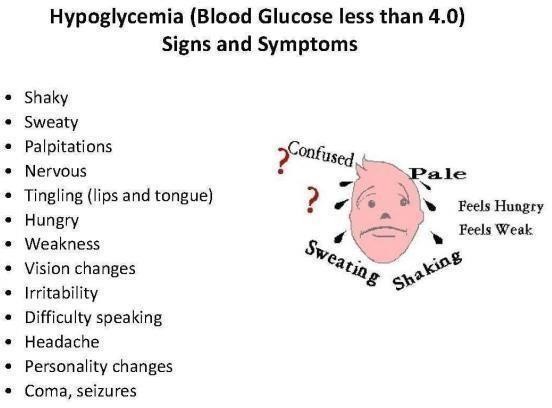
Rationale-The symptoms of sweating and feeling anxious in a client with type 1 diabetes mellitus are indicative of hypoglycemia. Hypoglycemia occurs when blood sugar levels fall too low, which can happen with the administration of insulin or other diabetes medications, missed meals, or increased exercise without adequate dietary adjustment. These symptoms are part of the body's natural response to low blood sugar, as it tries to signal the need for a source of energy. It is important for the nurse to recognize these signs promptly and respond with appropriate interventions, such as providing a fastacting carbohydrate, to prevent further complications associated with hypoglycemia.
A, C -Hyperglycemia and ketoacidosis presents with respiratory distress and a fruity odor. They occur due
D-Nephropathy presents with lack or reduced urine output. Injury occurs the renal tubules reduces renal ultrafiltration and reabsorption.