Nursing practice questions with comprehensive rationales
NurseDive Free Nursing Practice Question
During a vaginal exam, the nurse notes that the lower uterine segment is softened. The nurse documents this finding as:
A. Ortolani's sign
Reason: This is incorrect because Ortolani's sign is a test for hip dysplasia in infants, not a sign of pregnancy. It involves moving the infant's legs to check for a clicking sound in the hip joint.
B. Chadwick's sign
Reason: This is incorrect because Chadwick's sign is a bluish or purplish discoloration of the cervix, vagina, and vulva during pregnancy, not a softening of the lower uterine segment. It is caused by increased blood flow to the pelvic area.
C. Goodell's sign
Reason: This is incorrect because Goodell's sign is a softening of the cervix during pregnancy, not a softening of the lower uterine segment. It is caused by increased vascularity and edema of the cervical tissue.
D. Hegar's sign
Reason: This is correct because Hegar's sign is a softening of the lower uterine segment or isthmus during pregnancy. It can be felt by bimanual examination around six to twelve weeks of gestation.
This question is an excerpt from Nurse Dive's nursing test bank - Ati Maternal Newborn 4 Proctored Exam. Take the full exam now
Full Explanation
Choice A Reason: This is incorrect because Ortolani's sign is a test for hip dysplasia in infants, not a sign of pregnancy. It involves moving the infant's legs to check for a clicking sound in the hip joint.
Choice B Reason: This is incorrect because Chadwick's sign is a bluish or purplish discoloration of the cervix, vagina, and vulva during pregnancy, not a softening of the lower uterine segment. It is caused by increased blood flow to the pelvic area.
Choice C Reason: This is incorrect because Goodell's sign is a softening of the cervix during pregnancy, not a softening of the lower uterine segment. It is caused by increased vascularity and edema of the cervical tissue.
Choice D Reason: This is correct because Hegar's sign is a softening of the lower uterine segment or isthmus during pregnancy. It can be felt by bimanual examination around six to twelve weeks of gestation.
Similar Questions
Which information on a client's health history would the nurse identify as contributing to the client's risk for an ectopic pregnancy?
A. Recurrent pelvic infections
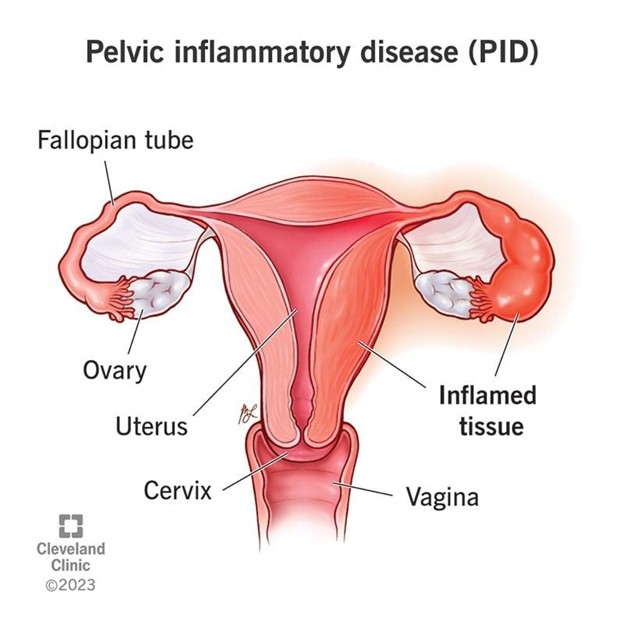
Reason: This is correct because recurrent pelvic infections, such as pelvic inflammatory disease (PID), can cause scarring and inflammation of the fallopian tubes, which can impair the normal movement of the fertilized egg to the uterus. This can increase the risk of ectopic pregnancy, which is a life-threatening condition where the fertilized egg implants outside the uterine cavity, usually in the fallopian tube.
B. Ovarian cyst 2 years ago
Reason: This is incorrect because ovarian cysts are fluid-filled sacs that develop in or on the ovaries. They are usually benign and do not affect fertility or pregnancy. However, some types of ovarian cysts, such as endometriomas or dermoid cysts, may require surgery to remove them, which can cause damage to the ovaries or fallopian tubes and increase the risk of ectopic pregnancy.
C. Use of oral contraceptives for 8 years
Reason: This is incorrect because use of oral contraceptives for 8 years is not a risk factor for ectopic pregnancy. In fact, oral contraceptives can reduce the risk of ectopic pregnancy by preventing ovulation and fertilization. However, if a woman becomes pregnant while taking oral contraceptives, she should stop taking them and consult her doctor, as they may have adverse effects on the developing fetus.
D. Heavy, irregular periods
Reason: This is incorrect because heavy, irregular periods are not a risk factor for ectopic pregnancy. They may indicate other conditions such as hormonal imbalance, uterine fibroids, polycystic ovary syndrome (PCOS), or endometriosis, which can affect fertility or pregnancy, but not necessarily cause ectopic pregnancy.
Full Explanation
Choice A Reason: This is correct because recurrent pelvic infections, such as pelvic inflammatory disease (PID), can cause scarring and inflammation of the fallopian tubes, which can impair the normal movement of the fertilized egg to the uterus. This can increase the risk of ectopic pregnancy, which is a life-threatening condition where the fertilized egg implants outside the uterine cavity, usually in the fallopian tube.
Choice B Reason: This is incorrect because ovarian cysts are fluid-filled sacs that develop in or on the ovaries. They are usually benign and do not affect fertility or pregnancy. However, some types of ovarian cysts, such as endometriomas or dermoid cysts, may require surgery to remove them, which can cause damage to the ovaries or fallopian tubes and increase the risk of ectopic pregnancy.
Choice C Reason: This is incorrect because use of oral contraceptives for 8 years is not a risk factor for ectopic pregnancy. In fact, oral contraceptives can reduce the risk of ectopic pregnancy by preventing ovulation and fertilization. However, if a woman becomes pregnant while taking oral contraceptives, she should stop taking them and consult her doctor, as they may have adverse effects on the developing fetus.
Choice D Reason: This is incorrect because heavy, irregular periods are not a risk factor for ectopic pregnancy. They may indicate other conditions such as hormonal imbalance, uterine fibroids, polycystic ovary syndrome (PCOS), or endometriosis, which can affect fertility or pregnancy, but not necessarily cause ectopic pregnancy.
A pregnant woman is admitted with premature rupture of the membranes. The nurse is assessing the woman closely for possible infection. Which findings would lead the nurse to suspect that the woman is developing an infection? Select all that apply.
A. Cloudy malodorous fluid
Choice A Reason: This is correct because cloudy malodorous fluid indicates that the amniotic fluid is contaminated with bacteria or other microorganisms that can cause infection in the woman or the fetus. Normally, amniotic fluid is clear and odorless.
B. Abdominal tenderness
Choice B Reason: This is correct because abdominal tenderness suggests that the woman has inflammation or irritation of the uterus or other pelvic organs due to infection. Abdominal tenderness can also be accompanied by cramping, pain, or fever.
C. Fetal bradycardia
Choice C Reason: This is correct because fetal bradycardia, which is a slow fetal heart rate below 110 beats per minute, indicates that the fetus is experiencing distress or hypoxia due to infection. Fetal bradycardia can be detected by electronic fetal monitoring or Doppler device.
D. Elevated maternal pulse rate
Choice D Reason: This is correct because elevated maternal pulse rate, which is a heart rate above 100 beats per minute, indicates that the woman has an increased metabolic demand or systemic inflammation due to infection. Elevated maternal pulse rate can also be caused by dehydration, anxiety, or pain.
E. Decreased C-reactive protein levels
Choice E Reason: This is incorrect because decreased C-reactive protein levels do not indicate infection. C-reactive protein (CRP) is a protein that is produced by the liver in response to inflammation or infection. Increased CRP levels can be a sign of infection, but decreased CRP levels can be normal or indicate other conditions such as liver disease or malnutrition.
Full Explanation
Choice A Reason: This is correct because cloudy malodorous fluid indicates that the amniotic fluid is contaminated with bacteria or other microorganisms that can cause infection in the woman or the fetus. Normally, amniotic fluid is clear and odorless.
Choice B Reason: This is correct because abdominal tenderness suggests that the woman has inflammation or irritation of the uterus or other pelvic organs due to infection. Abdominal tenderness can also be accompanied by cramping, pain, or fever.
Choice C Reason: This is correct because fetal bradycardia, which is a slow fetal heart rate below 110 beats per minute, indicates that the fetus is experiencing distress or hypoxia due to infection. Fetal bradycardia can be detected by electronic fetal monitoring or Doppler device.
Choice D Reason: This is correct because elevated maternal pulse rate, which is a heart rate above 100 beats per minute, indicates that the woman has an increased metabolic demand or systemic inflammation due to infection. Elevated maternal pulse rate can also be caused by dehydration, anxiety, or pain.
Choice E Reason: This is incorrect because decreased C-reactive protein levels do not indicate infection. C-reactive protein (CRP) is a protein that is produced by the liver in response to inflammation or infection. Increased CRP levels can be a sign of infection, but decreased CRP levels can be normal or indicate other conditions such as liver disease or malnutrition.
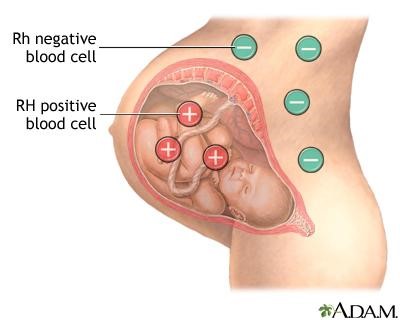
It is determined that a client's blood Rh is negative and her partner's is positive. To help prevent Rh isoimmunization, the nurse would expect to administer Rho(D) immune globulin at which time?
A. 24 hours before delivery and 24 hours after delivery
Reason: This is incorrect because administering Rho(D) immune globulin 24 hours before delivery is too early and may not provide adequate protection for the fetus. Administering it 24 hours after delivery is too late and may not prevent the mother from developing antibodies against the fetal Rh-positive blood cells.
B. In the first trimester and within 2 hours of delivery
Reason: This is incorrect because administering Rho(D) immune globulin in the first trimester is unnecessary and may not be effective, as the risk of Rh isoimmunization is very low before 28 weeks of gestation. Administering it within 2 hours of delivery is appropriate, but not sufficient, as it should be repeated within 72 hours after delivery.
C. At 28 weeks gestation and again within 72 hours after delivery
Reason: This is correct because administering Rho(D) immune globulin at 28 weeks gestation and again within 72 hours after delivery is the recommended schedule for preventing Rh isoimmunization in Rh-negative pregnant women who have Rh-positive partners. This regimen can prevent up to 99% of cases of Rh isoimmunization by blocking the maternal immune response to the fetal Rh-positive blood cells.
D. At 32 weeks gestation and immediately before discharge
Reason: This is incorrect because administering Rho(D) immune globulin at 32 weeks gestation is too late and may not prevent Rh isoimmunization if there has been any fetal-maternal hemorrhage before that time. Administering it immediately before discharge is also too late and may not prevent the mother from developing antibodies against the fetal Rh-positive blood cells.
Full Explanation
Choice A Reason: This is incorrect because administering Rho(D) immune globulin 24 hours before delivery is too early and may not provide adequate protection for the fetus. Administering it 24 hours after delivery is too late and may not prevent the mother from developing antibodies against the fetal Rh-positive blood cells.
Choice B Reason: This is incorrect because administering Rho(D) immune globulin in the first trimester is unnecessary and may not be effective, as the risk of Rh isoimmunization is very low before 28 weeks of gestation. Administering it within 2 hours of delivery is appropriate, but not sufficient, as it should be repeated within 72 hours after delivery.
Choice C Reason: This is correct because administering Rho(D) immune globulin at 28 weeks gestation and again within 72 hours after delivery is the recommended schedule for preventing Rh isoimmunization in Rh-negative pregnant women who have Rh-positive partners. This regimen can prevent up to 99% of cases of Rh isoimmunization by blocking the maternal immune response to the fetal Rh-positive blood cells.
Choice D Reason: This is incorrect because administering Rho(D) immune globulin at 32 weeks gestation is too late and may not prevent Rh isoimmunization if there has been any fetal-maternal hemorrhage before that time. Administering it immediately before discharge is also too late and may not prevent the mother from developing antibodies against the fetal Rh-positive blood cells.