
Nursing practice questions with comprehensive rationales
NurseDive Free Nursing Practice Question
The nurse should monitor which vital signs in the client who is taking Clozaril (Clozapine).
A. Blood Pressure
Clozapine has no effect on a patient’s blood pressure levels. However, blood pressure monitoring for all patients is crucial but the temperature is more relevant for a patient on clozapine.
B. Respirations
Clozapine has no effect on an individual’s respiratory rate hence in this case it is not the priority vital sign to monitor.
C. Pain
Clozapine use does not cause pain. Furthermore, pain is not a vital sign.
D. Temperature
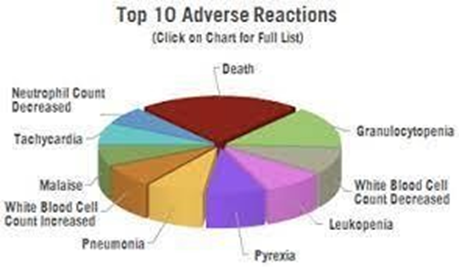
One of the side effects of clozapine is agranulocytosis hence this predisposes the patient to infections which may manifest with fever. Therefore, it is important to monitor the patient’s temperature while on treatment.
This question is an excerpt from Nurse Dive's nursing test bank - ATI ns 130 Exam Psychosocial Proctored Exam. Take the full exam now
Full Explanation
Choice A rationale: Clozapine has no effect on a patient’s blood pressure levels. However, blood pressure monitoring for all patients is crucial but the temperature is more relevant for a patient on clozapine.
Choice B rationale: Clozapine has no effect on an individual’s respiratory rate hence in this case it is not the priority vital sign to monitor.
Choice C rationale: Clozapine use does not cause pain. Furthermore, pain is not a vital sign.
Choice D rationale: One of the side effects of clozapine is agranulocytosis hence this predisposes the patient to infections which may manifest with fever. Therefore, it is important to monitor the patient’s temperature while on treatment.
Similar Questions
Which is an accepted criterion for inpatient admission to a mental health facility?
A. The client likes the security and comfort of the mental health facility
this is incorrect since it is not sufficient by itself to warrant an inpatient admission hence the client can be managed as an outpatient.
B. The client feels that he is no longer able to cope with life stressors or maintain control of his behavior
this is one of the criteria for inpatient admission to a mental health facility since with the inability to cope with life stressors or control his behaviors the patient is at risk of harming either themselves or others. Moreover, this criterion reflects the principle of beneficence, meaning that the best is being done for the client's well-being and safety.
C. The client suffers from depression.
this is incorrect since depression is not sufficient by itself to warrant an inpatient admission hence the client can be managed as an outpatient.
D. A client's behavior becomes unusual
this is incorrect since it is not sufficient by itself to warrant an inpatient admission hence the client can be managed as an outpatient.
Full Explanation
Choice A rationale: this is incorrect since it is not sufficient by itself to warrant an inpatient admission hence the client can be managed as an outpatient.
Choice B rationale: this is one of the criteria for inpatient admission to a mental health facility since with the inability to cope with life stressors or control his behaviors the patient is at risk of harming either themselves or others. Moreover, this criterion reflects the principle of beneficence, meaning that the best is being done for the client's well-being and safety.
Choice C rationale: this is incorrect since depression is not sufficient by itself to warrant an inpatient admission hence the client can be managed as an outpatient.
Choice D rationale: this is incorrect since it is not sufficient by itself to warrant an inpatient admission hence the client can be managed as an outpatient.
A male inpatient client who is experiencing depression has no interest in eating. He skips meals frequently and has been losing weight. What is the best nursing action in this situation?
A. Leave food with the client at mealtime and offer snacks frequently
this is correct since it provides the patient with an opportunity to eat his meals freely whenever they are ready to eat without feeling pressured or threatened.
B. Give the client information on the benefits of good nutrition
the patient already knows about the benefits of good nutrition but still lacks the motivation to eat owed of his depression hence this may not be very helpful in this situation.
C. Ask the client to "Please eat one meal for me."
this may make the patient feel manipulated and guilty for not eating hence may not be helpful in addressing the underlying situation.
D. Remove client privileges every time the client doesn't eat
this may worsen the patient’s depression and lower their self-esteem since they will receive punishment for their condition rather than being offered the necessary help.
Full Explanation
Choice A rationale: this is correct since it provides the patient with an opportunity to eat his meals freely whenever they are ready to eat without feeling pressured or threatened.
Choice B rationale: the patient already knows about the benefits of good nutrition but still lacks the motivation to eat owed of his depression hence this may not be very helpful in this situation.
Choice C rationale: this may make the patient feel manipulated and guilty for not eating hence may not be helpful in addressing the underlying situation.
Choice D rationale: this may worsen the patient’s depression and lower their self-esteem since they will receive punishment for their condition rather than being offered the necessary help.
Therapeutic relationship differs from other relationships in that the focus of a therapeutic relationship is on:
A. The nurse
the nurse is not the primary focus of a therapeutic relationship and does not focus on their personal or professional needs. However, they should always maintain appropriate boundaries and avoid becoming too emotionally involved or attached to the client.
B. The client
the client is the primary focus of a therapeutic relationship hence the care provided should meet the client’s needs, well-being, and expectations.
C. Establishing a friendship
a therapeutic relationship is not focused on establishing a friendship but on developing a working alliance between the nurse and the client.
D. The plan of care
The plan of care is an important tool for guiding the therapeutic relationship, but it is not the focus of the relationship.
Full Explanation
Choice A rationale: the nurse is not the primary focus of a therapeutic relationship and does not focus on their personal or professional needs. However, they should always maintain appropriate boundaries and avoid becoming too emotionally involved or attached to the client.
Choice B rationale: the client is the primary focus of a therapeutic relationship hence the care provided should meet the client’s needs, well-being, and expectations.
Choice C rationale: a therapeutic relationship is not focused on establishing a friendship but on developing a working alliance between the nurse and the client.
Choice D rationale: The plan of care is an important tool for guiding the therapeutic relationship, but it is not the focus of the relationship.