
Nursing practice questions with comprehensive rationales
NurseDive Free Nursing Practice Question
During the night shift, several staff members are being loud at the nurses' station of an inpatient mental health unit. A nurse asks them to hold down the noise." The nurse has asked this of the staff most likely because she knows that excessive noise
A. Does not present a professional environment
Excessive noise does impact the professional environment, but the primary concern is its potential impact on clients rather than the appearance of the mental health unit.
B. Causes relaxation in clients
Excessive noise is more likely to disturb clients by causing insomnia and irritability rather than promoting relaxation.
C. Can interfere with clients' thinking processes and perceptions
Excessive noise in a mental health unit can disrupt the therapeutic environment and interfere with clients' thinking processes and perceptions by triggering anxiety, aggression, and anxiety. Therefore, maintaining a calm and quiet atmosphere supports mental health treatment.
D. Encourages excessive client noise
There is no indication that excessive client noise is encouraged by the staff. However, the main concern is the impact of the staff noise on clients.
This question is an excerpt from Nurse Dive's nursing test bank - ATI ns 130 Exam Psychosocial Proctored Exam. Take the full exam now
Full Explanation
Choice A rationale: Excessive noise does impact the professional environment, but the primary concern is its potential impact on clients rather than the appearance of the mental health unit.
Choice B rationale: Excessive noise is more likely to disturb clients by causing insomnia and irritability rather than promoting relaxation.
Choice C rationale: Excessive noise in a mental health unit can disrupt the therapeutic environment and interfere with clients' thinking processes and perceptions by triggering anxiety, aggression, and anxiety. Therefore, maintaining a calm and quiet atmosphere supports mental health treatment.
Choice D rationale: There is no indication that excessive client noise is encouraged by the staff. However, the main concern is the impact of the staff noise on clients.
Similar Questions
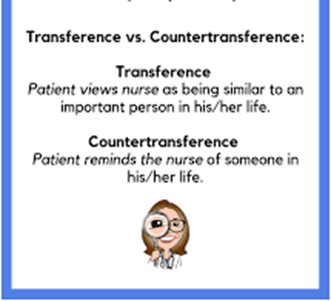
The nurse who is caring for a client begins to have very protective feelings toward the client that are interfering with the therapeutic relationship between the nurse, the client, and the client's family. This is an example of a problem that is encountered in some therapeutic relationships and is known as:
A. Transference
Transference involves the client projecting feelings or attitudes onto the healthcare provider and can affect the therapeutic relationship.
B. An environmental problem
Environmental problems are external issues arising from the individual’s physical and social setting such as interruptions and noise and can affect the therapeutic environment, not the nurse's emotional responses.
C. Resistance
Resistance refers to the situation where the client consciously or unconsciously opposes or is reluctant to engage in therapeutic interventions and hinders treatment progress and outcomes.
D. Countertransference
Countertransference occurs when the healthcare provider projects their feelings and emotions, experiences, or unresolved issues onto the client. The nurse's overprotective feelings interfere with the objectivity and effectiveness of the therapeutic relationship.
Full Explanation
Choice A rationale: Transference involves the client projecting feelings or attitudes onto the healthcare provider and can affect the therapeutic relationship.
Choice B rationale: Environmental problems are external issues arising from the individual’s physical and social setting such as interruptions and noise and can affect the therapeutic environment, not the nurse's emotional responses.
Choice C rationale: Resistance refers to the situation where the client consciously or unconsciously opposes or is reluctant to engage in therapeutic interventions and hinders treatment progress and outcomes.
Choice D rationale: Countertransference occurs when the healthcare provider projects their feelings and emotions, experiences, or unresolved issues onto the client. The nurse's overprotective feelings interfere with the objectivity and effectiveness of the therapeutic relationship.
During the mental status assessment, the nurse hands the client a piece of paper that reads "Please raise your left hand." If the client follows the command, the nurse has just assessed which ability of the client
A. Abstract thinking
Abstract thinking involves the ability to think conceptually and comprehend concrete concepts such as proverbs.
B. Memory
Memory assesses the client’s ability to recall previously experienced or learned information and is not directly assessed by the client's ability to follow a written command.
C. General knowledge
General knowledge refers to the ability of a client to answer questions on common topics and facts and is not assessed by the client's response to a written command.
D. Reading ability
The ability to follow a written command, such as "Please raise your left hand," assesses the client's ability to read and understand written instructions.
Full Explanation
Choice A rationale: Abstract thinking involves the ability to think conceptually and comprehend concrete concepts such as proverbs.
Choice B rationale: Memory assesses the client’s ability to recall previously experienced or learned information and is not directly assessed by the client's ability to follow a written command.
Choice C rationale: General knowledge refers to the ability of a client to answer questions on common topics and facts and is not assessed by the client's response to a written command.
Choice D rationale: The ability to follow a written command, such as "Please raise your left hand," assesses the client's ability to read and understand written instructions.
Upon entrance into a mental health care system, clients are thoroughly assessed, and this is followed by the development of a mental health treatment plan. Which of the following are the purposes of the treatment plan? (Select all that apply.)
A. A means of monitoring the client's progress
the mental health treatment is designed to monitor and assess an individual’s progress and response to treatment over time by outlining measurable and realistic targets that are evaluated periodically.
B. A guide for planning and implementation of care
the treatment plan can be used by healthcare providers as a guide while providing care to their clients by issuing a clear rationale behind the interventions chosen.
C. An instrument for communication and coordination of care
the treatment plan is a document outlining the objectives, interventions, and expected outcomes in the management of clients thus it serves as a communication tool amongst various healthcare providers across all the cadres involved in multi-disciplinary patient care.
D. Evaluating the effectiveness of interventions
the treatment plan evaluates the effectiveness of the interventions provided to a client by providing a comparison between the actual results and the expected outcomes thus guiding on the need for any necessary adjustments to be made when needed.
E. Ensure that the client follows their treatment
the treatment plan is not primarily responsible for ensuring that a client adheres to their treatment but instead it empowers and supports them during their recovery process. Therefore, the client’s needs and preferences should always be considered while developing the treatment plan which should be flexible to the changing needs of clients.
Full Explanation
Choice A rationale: the mental health treatment is designed to monitor and assess an individual’s progress and response to treatment over time by outlining measurable and realistic targets that are evaluated periodically.
Choice B rationale: the treatment plan can be used by healthcare providers as a guide while providing care to their clients by issuing a clear rationale behind the interventions chosen.
Choice C rationale: the treatment plan is a document outlining the objectives, interventions, and expected outcomes in the management of clients thus it serves as a communication tool amongst various healthcare providers across all the cadres involved in multi-disciplinary patient care.
Choice D rationale: the treatment plan evaluates the effectiveness of the interventions provided to a client by providing a comparison between the actual results and the expected outcomes thus guiding on the need for any necessary adjustments to be made when needed.
Choice E rationale: the treatment plan is not primarily responsible for ensuring that a client adheres to their treatment but instead it empowers and supports them during their recovery process. Therefore, the client’s needs and preferences should always be considered while developing the treatment plan which should be flexible to the changing needs of clients.