Nursing practice questions with comprehensive rationales
NurseDive Free Nursing Practice Question
Review H and P.
What factors are important in determining the level of hypoxemia that the child may have experienced during the submersion? Select all that apply.
A. The amount of time the child was submerged
Correct- The duration of submersion is a critical factor in determining the potential level of hypoxemia. Prolonged submersion leads to a higher risk of severe hypoxia and its associated complications.
B. Temperature of water
Incorrect- While water temperature can affect the body's response to submersion, it is not directly related to the level of hypoxemia. Hypoxemia primarily results from the lack of oxygen intake during submersion.
C. Whether or not anyone witnessed the fall into the pool
Correct- Witnessing the fall into the pool is important because immediate initiation of cardiopulmonary resuscitation (CPR) can improve the chances of a positive outcome. Bystander CPR can help maintain oxygenation and circulation until professional help arrives.
D. Oxygen concentration of the ambient air
Correct- The oxygen concentration in the surrounding air is crucial for oxygen delivery to the body's tissues. In cases of submersion, the availability of oxygen in the air the child is breathing plays a role in determining the level of hypoxemia.
E. The weight of the child
Incorrect- The weight of the child is not a significant factor in determining the level of hypoxemia during submersion. The primary determinants are factors like submersion duration, availability of oxygen, and prompt initiation of CPR.
This question is an excerpt from Nurse Dive's nursing test bank - RN Hesi Exit Proctored Exam. Take the full exam now
Full Explanation
A) Correct- The duration of submersion is a critical factor in determining the potential level of hypoxemia. Prolonged submersion leads to a higher risk of severe hypoxia and its associated complications.
B) Incorrect- While water temperature can affect the body's response to submersion, it is not directly related to the level of hypoxemia. Hypoxemia primarily results from the lack of oxygen intake during submersion.
C) Correct- Witnessing the fall into the pool is important because immediate initiation of cardiopulmonary resuscitation (CPR) can improve the chances of a positive outcome. Bystander CPR can help maintain oxygenation and circulation until professional help arrives.
D) Correct- The oxygen concentration in the surrounding air is crucial for oxygen delivery to the body's tissues. In cases of submersion, the availability of oxygen in the air the child is breathing plays a role in determining the level of hypoxemia.
E) Incorrect- The weight of the child is not a significant factor in determining the level of hypoxemia during submersion. The primary determinants are factors like submersion duration, availability of oxygen, and prompt initiation of CPR.
Similar Questions
Review H and P and nurse's notes.
What are the first four actions that the nurse should take?
A. Take the child's pulse
Correct- Assessing the child's pulse helps determine their cardiac status and whether they have a detectable heartbeat. This information is essential for deciding the appropriate interventions.
B. Place a cervical collar on the client
Correct- Placing a cervical collar is necessary if there is any suspicion of cervical spine injury due to the fall or submersion. This action helps stabilize the neck and prevent further damage to the spine.
C. Look for any open wounds
Correct- Checking for open wounds is important to assess for potential sources of bleeding or infection that may require immediate attention.
D. Call child protective services
Incorrect- While child safety is important, the immediate priority in this situation is assessing and stabilizing the child's medical condition. Child protective services may be involved later if there are concerns about the circumstances surrounding the incident.
E. Determine if the child's airway is clear
Correct- Assessing the airway is of utmost importance to ensure that the child can breathe. In cases of near-drowning, ensuring a clear airway is crucial for oxygenation.
F. Start a peripheral intravenous line
Incorrect- While establishing intravenous access may be important for certain interventions, it is not one of the immediate priorities in this situation. Ensuring the child's airway, breathing, and circulation take precedence.
Full Explanation
A) Correct- Assessing the child's pulse helps determine their cardiac status and whether they have a detectable heartbeat. This information is essential for deciding the appropriate interventions.
B) Correct- Placing a cervical collar is necessary if there is any suspicion of cervical spine injury due to the fall or submersion. This action helps stabilize the neck and prevent further damage to the spine.
C) Correct- Checking for open wounds is important to assess for potential sources of bleeding or infection that may require immediate attention.
D) Incorrect- While child safety is important, the immediate priority in this situation is assessing and stabilizing the child's medical condition. Child protective services may be involved later if there are concerns about the circumstances surrounding the incident.
E) Correct- Assessing the airway is of utmost importance to ensure that the child can breathe. In cases of near-drowning, ensuring a clear airway is crucial for oxygenation.
F) Incorrect- While establishing intravenous access may be important for certain interventions, it is not one of the immediate priorities in this situation. Ensuring the child's airway, breathing, and circulation take precedence.
The nurse enters a client's room to administer oral medications and finds an unlicensed assistive personnel (UAP) providing personal care to the client, whose condition has obviously deteriorated. The client is lying in a supine position and is weak, pale, and diaphoretic. Which is the priority nursing action?
A. Explain to the UAP that changes in a client's condition should be reported immediately.
Incorrect- While it's important for UAPs to report changes in a client's condition, the immediate priority is to assess and address the deteriorating condition of the client. The nurse's first action should be to stop the current care being provided and assess the client.
B. Advise the UAP to stop providing care so the nurse can assess the client's condition. C
Correct- In this situation, the priority is to ensure the safety and well-being of the client. The client's deteriorated condition needs to be assessed promptly by a licensed nurse to determine the appropriate interventions. Stopping the care being provided by the unlicensed assistive personnel (UAP) allows the nurse to focus on the client's immediate needs.
C. Ask the UAP to position the client so the oral medications can be administered.
Incorrect- Administering oral medications is not the immediate priority in this situation. The client's deteriorating condition takes precedence over administering medications.
D. Determine why the UAP did not notify the nurse of the change in the client's condition.
Incorrect- While investigating the situation and addressing communication gaps is important, the first priority is to assess and address the client's current condition. The nurse needs to take immediate action to ensure the client's safety and well-being.
Full Explanation
A) Incorrect- While it's important for UAPs to report changes in a client's condition, the immediate priority is to assess and address the deteriorating condition of the client. The nurse's first action should be to stop the current care being provided and assess the client.
B) Correct- In this situation, the priority is to ensure the safety and well-being of the client. The client's deteriorated condition needs to be assessed promptly by a licensed nurse to determine the appropriate interventions. Stopping the care being provided by the unlicensed assistive personnel (UAP) allows the nurse to focus on the client's immediate needs.
C) Incorrect- Administering oral medications is not the immediate priority in this situation. The client's deteriorating condition takes precedence over administering medications.
D) Incorrect- While investigating the situation and addressing communication gaps is important, the first priority is to assess and address the client's current condition. The nurse needs to take immediate action to ensure the client's safety and well-being.
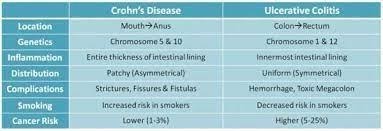
A client who is having gastrointestinal (GI) difficulties is undergoing diagnostic procedures.
The client asks the nurse about the difference between ulcerative colitis and Crohn's disease.
Which information should the nurse offer?
A. Anal abscess and fistula rarely occur in Crohn's disease.
Incorrect- Anal abscesses and fistulas are more commonly associated with Crohn's disease than with ulcerative colitis. Crohn's disease can involve the entire thickness of the bowel wall and create tunnels or connections (fistulas) between different parts of the gastrointestinal tract.
B. Rectal bleeding is a predominant symptom in ulcerative colitis.
Correct- Rectal bleeding is a common symptom of ulcerative colitis, as the inflamed tissue can bleed easily.
C. Constipation is more common in Crohn's disease.
Incorrect- Constipation is not a common characteristic of Crohn's disease. In fact, both ulcerative colitis and Crohn's disease can lead to a range of bowel habits, including diarrhea and constipation, depending on the extent and location of inflammation.
D. Colitis and Crohn's disease don't involve chronic inflammation of the gastrointestinal tract
Incorrect- Both ulcerative colitis and Crohn's disease are inflammatory bowel diseases (IBD) that involve chronic inflammation of the gastrointestinal tract. Ulcerative colitis primarily affects the colon and rectum, causing continuous areas of inflammation and ulceration. Crohn's disease can affect any part of the gastrointestinal tract, from the mouth to the anus. It often involves patches of inflammation with healthy tissue in between, and it can affect different layers of the bowel wall.
Full Explanation
A) Incorrect- Anal abscesses and fistulas are more commonly associated with Crohn's disease than with ulcerative colitis. Crohn's disease can involve the entire thickness of the bowel wall and create tunnels or connections (fistulas) between different parts of the gastrointestinal tract.
B) Correct- Rectal bleeding is a common symptom of ulcerative colitis, as the inflamed tissue can bleed easily.
C) Incorrect- Constipation is not a common characteristic of Crohn's disease. In fact, both ulcerative colitis and Crohn's disease can lead to a range of bowel habits, including diarrhea and constipation, depending on the extent and location of inflammation.
D) Incorrect- Both ulcerative colitis and Crohn's disease are inflammatory bowel diseases (IBD) that involve chronic inflammation of the gastrointestinal tract. Ulcerative colitis primarily affects the colon and rectum, causing continuous areas of inflammation and ulceration. Crohn's disease can affect any part of the gastrointestinal tract, from the mouth to the anus. It often involves patches of inflammation with healthy tissue in between, and it can affect different layers of the bowel wall.