
Nursing practice questions with comprehensive rationales
NurseDive Free Nursing Practice Question
Find patient data below.
What actions should the nurse plan for the rest of the shift? Select all that apply.
A. Monitor the oxygen saturation
Correct- Continuous monitoring of oxygen saturation ensures the client's oxygen levels remain within an acceptable range.
B. Discuss aggressive respiratory treatment options
Incorrect - Discussing aggressive respiratory treatment options is not warranted based on the provided information. The current treatment plan includes appropriate interventions.
C. Obtain a sputum culture
Incorrect - Obtaining a sputum culture is important for identifying infections, but it's not an immediate action in the context of the client's current symptoms.
D. Allow the client to take a position of comfort
Correct- Promoting comfort can help reduce anxiety and potentially improve breathing.
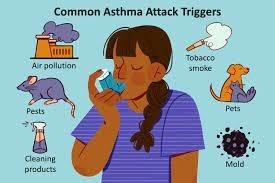
E. Discuss with the client potential asthma triggers
Correct- Educating the client about potential triggers supports better self-management.
F. Consider positive pressure ventilation
Incorrect - Considering positive pressure ventilation is not indicated at this stage. The client's symptoms are being managed with other interventions.
G. Wean the supplemental oxygen
Incorrect - Weaning supplemental oxygen is not mentioned in the patient data or nurses' notes as something that's currently necessary.
H. Prepare for deep tracheal suctioning
Incorrect - Preparing for deep tracheal suctioning is not warranted based on the patient data and the current treatment plan.
This question is an excerpt from Nurse Dive's nursing test bank - HESI Exit LPN Proctored Exam 1. Take the full exam now
Full Explanation
A) Correct- Continuous monitoring of oxygen saturation ensures the client's oxygen levels remain within an acceptable range.
B) Incorrect - Discussing aggressive respiratory treatment options is not warranted based on the provided information. The current treatment plan includes appropriate interventions.
C) Incorrect - Obtaining a sputum culture is important for identifying infections, but it's not an immediate action in the context of the client's current symptoms.
D) Correct- Promoting comfort can help reduce anxiety and potentially improve breathing.
E) Correct- Educating the client about potential triggers supports better self-management.
F) Incorrect - Considering positive pressure ventilation is not indicated at this stage. The client's symptoms are being managed with other interventions.
G) Incorrect - Weaning supplemental oxygen is not mentioned in the patient data or nurses' notes as something that's currently necessary.
H) Incorrect - Preparing for deep tracheal suctioning is not warranted based on the patient data and the current treatment plan.
Similar Questions
The nurse of a medical-surgical unit receives a report from a post-anesthesia care unit (PACU) nurse for a client who is being transferred following a right hemicolectomy. The PACU nurse reports, "The client has an intravenous (IV) infusion of 1000 mL lactated Ringer's infusing at 125 mL/hr into the left wrist with 300 mL remaining. Prescriptions include morphine sulfate 2 mg IV every 2 to 4 hours for pain, last administered 30 minutes ago; ondansetron 4 mg IV every 8 hours for nausea, last administered 15 minutes ago." Which additional information is most important for the nurse to obtain in the report?
A. History of vomiting at home for 3 days prior to surgery.
Incorrect- While the history of vomiting is important to assess, it may not be the most crucial information to gather at this point, as the client is postoperative and the focus is on immediate postoperative care.
B. Declining to take ice chips for complaints of dry mouth.
Incorrect- While assessing for fluid intake is important, the client's refusal of ice chips is not an urgent concern compared to other potential complications, such as pain management, oxygenation, and fluid balance.
C. Soft abdomen, absent bowel sounds, no bleeding on dressing.
Incorrect- These assessments are important, but the client's history of right hemicolectomy and the current infusion and medication administration require closer attention to fluid balance, pain control, and oxygenation.
D. Peripheral pulses present with full range of motion of both legs.
Correct- While all options are important to consider, the most critical information in this scenario is assessing peripheral pulses and the range of motion of both legs. A right hemicolectomy involves abdominal surgery and decreased or absent peripheral pulses along with a limited range of motion could indicate impaired circulation, thrombosis, or other post-operative complications. These findings might necessitate prompt intervention to prevent potential complications.
Full Explanation
A) Incorrect- While the history of vomiting is important to assess, it may not be the most crucial information to gather at this point, as the client is postoperative and the focus is on immediate postoperative care.
B) Incorrect- While assessing for fluid intake is important, the client's refusal of ice chips is not an urgent concern compared to other potential complications, such as pain management, oxygenation, and fluid balance.
C) Incorrect- These assessments are important, but the client's history of right hemicolectomy and the current infusion and medication administration require closer attention to fluid balance, pain control, and oxygenation.
D) Correct- While all options are important to consider, the most critical information in this scenario is assessing peripheral pulses and the range of motion of both legs. A right hemicolectomy involves abdominal surgery and decreased or absent peripheral pulses along with a limited range of motion could indicate impaired circulation, thrombosis, or other post-operative complications. These findings might necessitate prompt intervention to prevent potential complications.
The nurse is caring for a client who reports a sudden, severe headache, and facial numbness.The nurse asks the client to smile and observes an uneven smile with a facial droop to the right side and a hand grasp strength that is weaker on the right than the left. The client denies a recent history of headaches or trauma. After obtaining vital signs, the nurse should implement which intervention?
A. Place an indwelling urinary catheter and measure strict intake and output.
Incorrect- While monitoring urinary output is important for overall assessment, it is not the most critical intervention in this situation of suspected stroke. The client's neurological symptoms take precedence.
B. Maintain elevated positioning of the dependent joints on affected side.
Incorrect- Positioning might be relevant to preventing complications, but it is not the highest priority intervention in this situation. The focus should be on assessing the client's neurological status and determining appropriate intervention.
C. Raise the head of the bed to 30 degrees keep head and neck in neutral alignment.
Incorrect- Although head positioning is relevant for intracranial pressure management, it is not the immediate priority. The nurse should first assess the time of symptom onset and determine if the client is experiencing an acute stroke.
D. Determine when symptoms began and if improved or worsened since onset.
Correct- The client's symptoms, including sudden severe headache, facial numbness, facial droop, and weakness on one side, are suggestive of a stroke. The nurse should prioritize assessing the time of symptom onset, as time is a crucial factor in determining the appropriate intervention. Rapid intervention can improve outcomes in stroke cases, especially when considering interventions like thrombolytic therapy. The other options are not as directly relevant to the immediate management of a suspected stroke.
Full Explanation
A) Incorrect- While monitoring urinary output is important for overall assessment, it is not the most critical intervention in this situation of suspected stroke. The client's neurological symptoms take precedence.
B) Incorrect- Positioning might be relevant to preventing complications, but it is not the highest priority intervention in this situation. The focus should be on assessing the client's neurological status and determining appropriate intervention.
C) Incorrect- Although head positioning is relevant for intracranial pressure management, it is not the immediate priority. The nurse should first assess the time of symptom onset and determine if the client is experiencing an acute stroke.
D) Correct- The client's symptoms, including sudden severe headache, facial numbness, facial droop, and weakness on one side, are suggestive of a stroke. The nurse should prioritize assessing the time of symptom onset, as time is a crucial factor in determining the appropriate intervention. Rapid intervention can improve outcomes in stroke cases, especially when considering interventions like thrombolytic therapy. The other options are not as directly relevant to the immediate management of a suspected stroke.
A female client who has a borderline personality disorder is being discharged today. When the nurse makes morning rounds, the client begins the interaction by complaining about the aloofness of the night shift nurse and expresses joy to see that, "My favorite nurse is on duty now." Which response is best for the nurse to provide to this client's dichotomous tendency?
A. "Tomorrow I will talk to that nurse about how you were treated last night."
Incorrect- This response might address the client's concern but doesn't directly address her dichotomous thinking or provide immediate therapeutic communication.
B. "I am happy that you are getting better and will be able to go home."
Incorrect- While showing happiness for the client's improvement is positive, this response does not address the client's behavior or engage with her dichotomous tendency.
C. "I am glad you like me. Which nurse was acting aloof to you?"
Incorrect- This response acknowledges the client's liking but doesn't address the dichotomous thinking pattern or provide an effective therapeutic response.
D. "What did the night nurse do that makes you think she is aloof?"
Correct- answering this question encourages the client to express her concerns and perceptions, fostering communication. This approach acknowledges the client's feelings and provides an opportunity for her to discuss the issue, potentially leading to a productive conversation.
Full Explanation
A) Incorrect- This response might address the client's concern but doesn't directly address her dichotomous thinking or provide immediate therapeutic communication.
B) Incorrect- While showing happiness for the client's improvement is positive, this response does not address the client's behavior or engage with her dichotomous tendency.
C) Incorrect- This response acknowledges the client's liking but doesn't address the dichotomous thinking pattern or provide an effective therapeutic response.
D) Correct- answering this question encourages the client to express her concerns and perceptions, fostering communication. This approach acknowledges the client's feelings and provides an opportunity for her to discuss the issue, potentially leading to a productive conversation.