Nursing practice questions with comprehensive rationales
NurseDive Free Nursing Practice Question
The nurse is caring for a client who reports a sudden, severe headache, and facial numbness.The nurse asks the client to smile and observes an uneven smile with a facial droop to the right side and a hand grasp strength that is weaker on the right than the left. The client denies a recent history of headaches or trauma. After obtaining vital signs, the nurse should implement which intervention?
A. Place an indwelling urinary catheter and measure strict intake and output.
Incorrect- While monitoring urinary output is important for overall assessment, it is not the most critical intervention in this situation of suspected stroke. The client's neurological symptoms take precedence.
B. Maintain elevated positioning of the dependent joints on affected side.
Incorrect- Positioning might be relevant to preventing complications, but it is not the highest priority intervention in this situation. The focus should be on assessing the client's neurological status and determining appropriate intervention.
C. Raise the head of the bed to 30 degrees keep head and neck in neutral alignment.
Incorrect- Although head positioning is relevant for intracranial pressure management, it is not the immediate priority. The nurse should first assess the time of symptom onset and determine if the client is experiencing an acute stroke.
D. Determine when symptoms began and if improved or worsened since onset.
Correct- The client's symptoms, including sudden severe headache, facial numbness, facial droop, and weakness on one side, are suggestive of a stroke. The nurse should prioritize assessing the time of symptom onset, as time is a crucial factor in determining the appropriate intervention. Rapid intervention can improve outcomes in stroke cases, especially when considering interventions like thrombolytic therapy. The other options are not as directly relevant to the immediate management of a suspected stroke.
This question is an excerpt from Nurse Dive's nursing test bank - HESI Exit LPN Proctored Exam 1. Take the full exam now
Full Explanation
A) Incorrect- While monitoring urinary output is important for overall assessment, it is not the most critical intervention in this situation of suspected stroke. The client's neurological symptoms take precedence.
B) Incorrect- Positioning might be relevant to preventing complications, but it is not the highest priority intervention in this situation. The focus should be on assessing the client's neurological status and determining appropriate intervention.
C) Incorrect- Although head positioning is relevant for intracranial pressure management, it is not the immediate priority. The nurse should first assess the time of symptom onset and determine if the client is experiencing an acute stroke.
D) Correct- The client's symptoms, including sudden severe headache, facial numbness, facial droop, and weakness on one side, are suggestive of a stroke. The nurse should prioritize assessing the time of symptom onset, as time is a crucial factor in determining the appropriate intervention. Rapid intervention can improve outcomes in stroke cases, especially when considering interventions like thrombolytic therapy. The other options are not as directly relevant to the immediate management of a suspected stroke.
Similar Questions
A female client who has a borderline personality disorder is being discharged today. When the nurse makes morning rounds, the client begins the interaction by complaining about the aloofness of the night shift nurse and expresses joy to see that, "My favorite nurse is on duty now." Which response is best for the nurse to provide to this client's dichotomous tendency?
A. "Tomorrow I will talk to that nurse about how you were treated last night."
Incorrect- This response might address the client's concern but doesn't directly address her dichotomous thinking or provide immediate therapeutic communication.
B. "I am happy that you are getting better and will be able to go home."
Incorrect- While showing happiness for the client's improvement is positive, this response does not address the client's behavior or engage with her dichotomous tendency.
C. "I am glad you like me. Which nurse was acting aloof to you?"
Incorrect- This response acknowledges the client's liking but doesn't address the dichotomous thinking pattern or provide an effective therapeutic response.
D. "What did the night nurse do that makes you think she is aloof?"
Correct- answering this question encourages the client to express her concerns and perceptions, fostering communication. This approach acknowledges the client's feelings and provides an opportunity for her to discuss the issue, potentially leading to a productive conversation.
Full Explanation
A) Incorrect- This response might address the client's concern but doesn't directly address her dichotomous thinking or provide immediate therapeutic communication.
B) Incorrect- While showing happiness for the client's improvement is positive, this response does not address the client's behavior or engage with her dichotomous tendency.
C) Incorrect- This response acknowledges the client's liking but doesn't address the dichotomous thinking pattern or provide an effective therapeutic response.
D) Correct- answering this question encourages the client to express her concerns and perceptions, fostering communication. This approach acknowledges the client's feelings and provides an opportunity for her to discuss the issue, potentially leading to a productive conversation.
An adolescent who was diagnosed with type 1 diabetes mellitus at the age of 9, is admitted to the hospital in diabetic ketoacidosis. Which occurrence is the most likely cause of the ketoacidosis?
A. Skipped eating lunch.
Skipped eating lunch would more likely cause hypoglycemia rather than diabetic ketoacidosis (DKA). When a person with type 1 diabetes skips a meal but still takes insulin, blood glucose levels drop, leading to hypoglycemia, not the elevated glucose and ketone production seen in DKA.
B. Incorrectly administered too much insulin.
Incorrectly administered too much insulin would also result in hypoglycemia rather than DKA. Administering excessive insulin causes blood glucose levels to fall too low, which does not trigger the fat breakdown and ketone production that characterize DKA.
C. Had a cold and ear infection for the past two days.
Had a cold and ear infection for the past two days is the most likely cause of diabetic ketoacidosis. Illness and infection cause the body to release stress hormones such as cortisol and adrenaline, which increase blood glucose levels and counteract insulin. In type 1 diabetes, insufficient insulin leads to hyperglycemia, fat breakdown for energy, and the production of ketones, resulting in DKA.
D. Ate an extra peanut butter sandwich before gym class.
Ate an extra peanut butter sandwich before gym class would not cause DKA. Consuming extra food may raise blood glucose temporarily, but it would not lead to the severe insulin deficiency and ketone production seen in DKA, especially if the adolescent took insulin as prescribed.
E. None
None
F. None
None
Full Explanation
A. Skipped eating lunch would more likely cause hypoglycemia rather than diabetic ketoacidosis (DKA). When a person with type 1 diabetes skips a meal but still takes insulin, blood glucose levels drop, leading to hypoglycemia, not the elevated glucose and ketone production seen in DKA.
B. Incorrectly administered too much insulin would also result in hypoglycemia rather than DKA. Administering excessive insulin causes blood glucose levels to fall too low, which does not trigger the fat breakdown and ketone production that characterize DKA.
C. Had a cold and ear infection for the past two days is the most likely cause of diabetic ketoacidosis. Illness and infection cause the body to release stress hormones such as cortisol and adrenaline, which increase blood glucose levels and counteract insulin. In type 1 diabetes, insufficient insulin leads to hyperglycemia, fat breakdown for energy, and the production of ketones, resulting in DKA.
D. Ate an extra peanut butter sandwich before gym class would not cause DKA. Consuming extra food may raise blood glucose temporarily, but it would not lead to the severe insulin deficiency and ketone production seen in DKA, especially if the adolescent took insulin as prescribed.
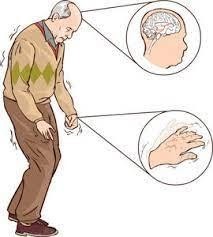
The nurse enters the room of a client with Parkinson's disease who is taking carbidopa-levodopa. The client is rising slowly from the chair while the unlicensed assistive personnel (UAP) stands next to the chair. Which action should the nurse take?
A. Affirm that the client should rise slowly from the chair.
Correct- Clients with Parkinson's disease often experience bradykinesia and impaired mobility. Rising slowly from a seated position is important to prevent falls and maintain stability. Affirming the correct movement strategy promotes the client's safety.
B. Tell the UAP to assist the client in moving more quickly.
Incorrect- Telling the UAP to make the client move more quickly could be unsafe and not appropriate for a client with Parkinson's disease. Rapid movements might lead to balance issues or falls.
C. Demonstrate how to help the client move more efficiently.
Incorrect- While demonstrating proper technique might be helpful, it's not the most immediate action the nurse should take. The client's safety and well-being are the priority.
D. Offer a PRN analgesic to reduce painful movement.
Incorrect- Painful movement is not the primary issue here. The client's movement is slow due to Parkinson's disease, and this is expected.
Full Explanation
A) Correct- Clients with Parkinson's disease often experience bradykinesia and impaired mobility. Rising slowly from a seated position is important to prevent falls and maintain stability. Affirming the correct movement strategy promotes the client's safety.
B) Incorrect- Telling the UAP to make the client move more quickly could be unsafe and not appropriate for a client with Parkinson's disease. Rapid movements might lead to balance issues or falls.
C) Incorrect- While demonstrating proper technique might be helpful, it's not the most immediate action the nurse should take. The client's safety and well-being are the priority.
D) Incorrect- Painful movement is not the primary issue here. The client's movement is slow due to Parkinson's disease, and this is expected.