Nursing practice questions with comprehensive rationales
NurseDive Free Nursing Practice Question
One of the major disadvantages of benzodiazepines prescribed for anxiety is that these medications:
A. Take 4 to 6 weeks before the onset of action occurs
Benzodiazepines typically have a relatively rapid onset of action, usually within a few minutes to hours after taking the drug hence making them effective for the management of anxiety and panic attacks.
B. Often causes serious side effects
While benzodiazepines may have side effects, serious side effects are not a major disadvantage when compared to the risk of dependency.
C. Are new to the market with little research
Benzodiazepines are a well-researched class of medications and are not considered "new to the market since they have been in use since the 1960s.
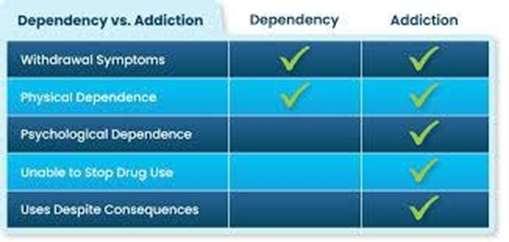
D. Cause dependency with long-term use
Benzodiazepines have the potential for dependency and tolerance with long-term use. They are generally recommended for short-term use due to the risk of developing a physical and psychological dependence hence the drug should only be used under the guidance of a qualified healthcare professional.
This question is an excerpt from Nurse Dive's nursing test bank - ATI ns 130 Exam Psychosocial Proctored Exam. Take the full exam now
Full Explanation
Choice A rationale: Benzodiazepines typically have a relatively rapid onset of action, usually within a few minutes to hours after taking the drug hence making them effective for the management of anxiety and panic attacks.
Choice B rationale: While benzodiazepines may have side effects, serious side effects are not a major disadvantage when compared to the risk of dependency.
Choice C rationale: Benzodiazepines are a well-researched class of medications and are not considered "new to the market since they have been in use since the 1960s.
Choice D rationale: Benzodiazepines have the potential for dependency and tolerance with long-term use. They are generally recommended for short-term use due to the risk of developing a physical and psychological dependence hence the drug should only be used under the guidance of a qualified healthcare professional.
Similar Questions
During an admission assessment, a male client states that he has been having auditory hallucinations and difficulty concentrating at work. This type of data is referred to as:
A. Measured
Measured data involves quantitative information obtained through measurement and observation, not the client's self-report.
B. Objective
Objective data is observable and measurable, often obtained through physical examination or direct observation.
C. Shared
Shared data is not a commonly used term in the context of describing information provided by a client. However, it could refer to information that is communicated or exchanged between the nurse and healthcare professionals.
D. Subjective
Subjective data refers to information provided by the client based on their own feelings, perceptions, or experiences. In this case, the client's statement about auditory hallucinations and difficulty concentrating represents subjective data.
Full Explanation
Choice A rationale: Measured data involves quantitative information obtained through measurement and observation, not the client's self-report.
Choice B rationale: Objective data is observable and measurable, often obtained through physical examination or direct observation.
Choice C rationale: Shared data is not a commonly used term in the context of describing information provided by a client. However, it could refer to information that is communicated or exchanged between the nurse and healthcare professionals.
Choice D rationale: Subjective data refers to information provided by the client based on their own feelings, perceptions, or experiences. In this case, the client's statement about auditory hallucinations and difficulty concentrating represents subjective data.
During the night shift, several staff members are being loud at the nurses' station of an inpatient mental health unit. A nurse asks them to hold down the noise." The nurse has asked this of the staff most likely because she knows that excessive noise
A. Does not present a professional environment
Excessive noise does impact the professional environment, but the primary concern is its potential impact on clients rather than the appearance of the mental health unit.
B. Causes relaxation in clients
Excessive noise is more likely to disturb clients by causing insomnia and irritability rather than promoting relaxation.
C. Can interfere with clients' thinking processes and perceptions
Excessive noise in a mental health unit can disrupt the therapeutic environment and interfere with clients' thinking processes and perceptions by triggering anxiety, aggression, and anxiety. Therefore, maintaining a calm and quiet atmosphere supports mental health treatment.
D. Encourages excessive client noise
There is no indication that excessive client noise is encouraged by the staff. However, the main concern is the impact of the staff noise on clients.
Full Explanation
Choice A rationale: Excessive noise does impact the professional environment, but the primary concern is its potential impact on clients rather than the appearance of the mental health unit.
Choice B rationale: Excessive noise is more likely to disturb clients by causing insomnia and irritability rather than promoting relaxation.
Choice C rationale: Excessive noise in a mental health unit can disrupt the therapeutic environment and interfere with clients' thinking processes and perceptions by triggering anxiety, aggression, and anxiety. Therefore, maintaining a calm and quiet atmosphere supports mental health treatment.
Choice D rationale: There is no indication that excessive client noise is encouraged by the staff. However, the main concern is the impact of the staff noise on clients.
The nurse who is caring for a client begins to have very protective feelings toward the client that are interfering with the therapeutic relationship between the nurse, the client, and the client's family. This is an example of a problem that is encountered in some therapeutic relationships and is known as:
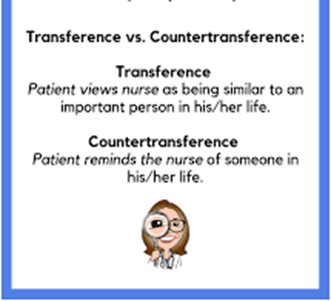
A. Transference
Transference involves the client projecting feelings or attitudes onto the healthcare provider and can affect the therapeutic relationship.
B. An environmental problem
Environmental problems are external issues arising from the individual’s physical and social setting such as interruptions and noise and can affect the therapeutic environment, not the nurse's emotional responses.
C. Resistance
Resistance refers to the situation where the client consciously or unconsciously opposes or is reluctant to engage in therapeutic interventions and hinders treatment progress and outcomes.
D. Countertransference
Countertransference occurs when the healthcare provider projects their feelings and emotions, experiences, or unresolved issues onto the client. The nurse's overprotective feelings interfere with the objectivity and effectiveness of the therapeutic relationship.
Full Explanation
Choice A rationale: Transference involves the client projecting feelings or attitudes onto the healthcare provider and can affect the therapeutic relationship.
Choice B rationale: Environmental problems are external issues arising from the individual’s physical and social setting such as interruptions and noise and can affect the therapeutic environment, not the nurse's emotional responses.
Choice C rationale: Resistance refers to the situation where the client consciously or unconsciously opposes or is reluctant to engage in therapeutic interventions and hinders treatment progress and outcomes.
Choice D rationale: Countertransference occurs when the healthcare provider projects their feelings and emotions, experiences, or unresolved issues onto the client. The nurse's overprotective feelings interfere with the objectivity and effectiveness of the therapeutic relationship.