Nursing practice questions with comprehensive rationales
NurseDive Free Nursing Practice Question
Text 1:
The nurse is providing lifestyle change education for a client to slow the progression of coronary artery disease. Which statement(s) made by the client should the nurse recognize as needing additional education? (Select all that apply.)
A. Consume foods with saturated fats.
Consuming foods with saturated fats can increase the level of low-density lipoprotein (LDL) cholesterol in the blood, which can contribute to plaque formation and narrowing of the coronary arteries.
B. Walk 30 minutes per day.
Walking 30 minutes per day can help lower blood pressure, improve blood circulation, and reduce the risk of heart attack and stroke.
C. Use a salt substitute.
Using a salt substitute can help lower sodium intake, which can reduce fluid retention and lower blood pressure.
D. Keep a food diary.
Keeping a food diary can help the client monitor their calorie intake, portion size, and nutritional balance.
E. Eat more canned vegetables.
Eating more canned vegetables can increase sodium intake, which can worsen fluid retention and blood pressure. Fresh or frozen vegetables are preferable.
F. Include oatmeal for breakfast.
Including oatmeal for breakfast can provide soluble fiber, which can lower LDL cholesterol and prevent plaque formation in the coronary arteries.
This question is an excerpt from Nurse Dive's nursing test bank - HESI Exit II Proctored Exam. Take the full exam now
Full Explanation
Choice A reason: Consuming foods with saturated fats can increase the level of low-density lipoprotein (LDL) cholesterol in the blood, which can contribute to plaque formation and narrowing of the coronary arteries.
Choice B reason: Walking 30 minutes per day can help lower blood pressure, improve blood circulation, and reduce the risk of heart attack and stroke.
Choice C reason: Using a salt substitute can help lower sodium intake, which can reduce fluid retention and lower blood pressure.
Choice D reason: Keeping a food diary can help the client monitor their calorie intake, portion size, and nutritional balance.
Choice E reason: Eating more canned vegetables can increase sodium intake, which can worsen fluid retention and blood pressure. Fresh or frozen vegetables are preferable.
Choice F reason: Including oatmeal for breakfast can provide soluble fiber, which can lower LDL cholesterol and prevent plaque formation in the coronary arteries.
Similar Questions
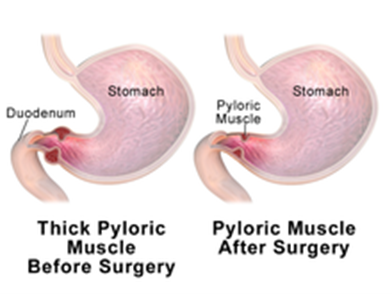
A 6-week-old infant with poor weight gain is scheduled for a pyloromyotomy. Which pre-operative nursing action has the highest priority?
A. Mark an outline of the "olive-shaped" mass in the right epigastric area.
Marking an outline of the "olive-shaped" mass in the right epigastric area is not a priority nursing action. The mass is caused by hypertrophy of the pyloric sphincter, which obstructs gastric emptying and causes projectile vomiting. The mass may not be palpable in all cases.
B. Maintain a continuous infusion of IV fluids per prescription.
This is the correct answer because maintaining a continuous infusion of IV fluids per prescription is essential to prevent dehydration and electrolyte imbalance in the infant. The infant may have significant fluid loss due to vomiting and poor intake.
C. Monitor amount of intake and infant's response to feedings.
Monitoring amount of intake and infant's response to feedings is important, but not the highest priority. The infant may have difficulty feeding due to nausea, vomiting, and abdominal pain.
D. Instruct parents regarding care of the incisional area.
Instructing parents regarding care of the incisional area is a post-operative nursing action, not a pre-operative one. The parents will need to learn how to keep the incision clean and dry, monitor for signs of infection, and administer pain medication as prescribed.
Full Explanation
Choice A reason: Marking an outline of the "olive-shaped" mass in the right epigastric area is not a priority nursing action. The mass is caused by hypertrophy of the pyloric sphincter, which obstructs gastric emptying and causes projectile vomiting. The mass may not be palpable in all cases.
Choice C reason: Monitoring amount of intake and infant's response to feedings is important, but not the highest priority. The infant may have difficulty feeding due to nausea, vomiting, and abdominal pain.
Choice D reason: Instructing parents regarding care of the incisional area is a post-operative nursing action, not a pre-operative one. The parents will need to learn how to keep the incision clean and dry, monitor for signs of infection, and administer pain medication as prescribed.
Two days after surgical fixation of a fractured femur, a client suddenly reports chest pain and difficulty in breathing. The nurse suspects the client had a pulmonary embolus. Which action should the nurse take first?
A. Notify the healthcare provider.
Notifying the healthcare provider is an important action, but not the first one. The nurse should prioritize interventions that address the client's immediate needs, such as oxygenation and circulation.
B. Prepare a continuous heparin infusion per protocol.
Preparing a continuous heparin infusion per protocol is an appropriate action for preventing further clot formation and reducing the risk of recurrent pulmonary embolism, but it is not the first action. The nurse should first stabilize the client's condition before administering anticoagulant therapy.
C. Provide supplemental oxygen.
D. Bring the emergency crash cart to the bedside.
Bringing the emergency crash cart to the bedside is a prudent action, but not the first one. The nurse should prepare for possible cardiopulmonary resuscitation (CPR) in case of cardiac arrest, but should first attempt to prevent it by providing oxygen and other supportive measures.
Full Explanation
Choice A reason: Notifying the healthcare provider is an important action, but not the first one. The nurse should prioritize interventions that address the client's immediate needs, such as oxygenation and circulation.
Choice B reason: Preparing a continuous heparin infusion per protocol is an appropriate action for preventing further clot formation and reducing the risk of recurrent pulmonary embolism, but it is not the first action. The nurse should first stabilize the client's condition before administering anticoagulant therapy.
Choice D reason: Bringing the emergency crash cart to the bedside is a prudent action, but not the first one. The nurse should prepare for possible cardiopulmonary resuscitation (CPR) in case of cardiac arrest, but should first attempt to prevent it by providing oxygen and other supportive measures.
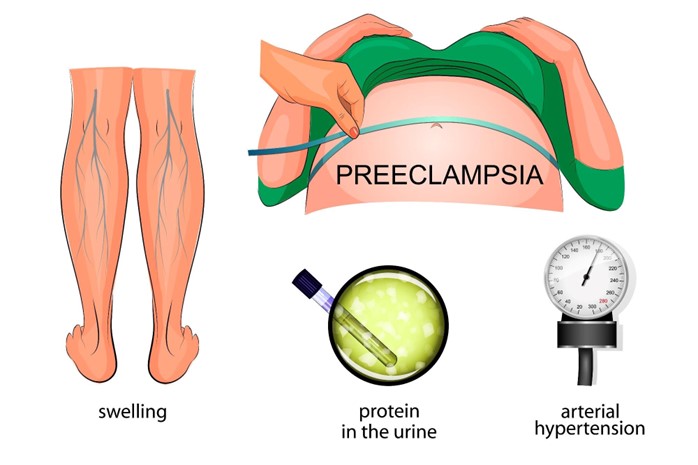
When is it most important for the nurse to assess a pregnant client's deep tendon reflexes (DTRs)?
A. When the client has ankle edema.
When the client has ankle edema, it is important for the nurse to assess for other signs of fluid retention, such as weight gain, jugular venous distension, and crackles in the lungs. However, ankle edema alone is not a specific indicator of preeclampsia or eclampsia, which are conditions that can cause hyperreflexia or increased DTRs.
B. If the client has an elevated blood pressure.
This is the correct answer because if the client has elevated blood pressure, it is important for the nurse to assess for other signs of preeclampsia or eclampsia, such as proteinuria, headache, blurred vision, epigastric pain, and hyperreflexia or increased DTRs. These conditions can cause seizures and other complications that can endanger the mother and fetus.
C. During admission to labor and delivery.
During admission to labor and delivery, it is important for the nurse to assess various aspects of the client's health status, such as vital signs, fetal heart rate, contractions, cervical dilation, and pain level. However, assessing DTRs is not a routine part of labor and delivery assessment unless there are signs of preeclampsia or eclampsia.
D. Within the first trimester of pregnancy.
Within the first trimester of pregnancy, it is important for the nurse to assess for signs of pregnancy-related nausea and vomiting, bleeding, infection, and ectopic pregnancy. However, assessing DTRs is not a routine part of first trimester assessment unless there are signs of neurological disorders or spinal cord injury.
Full Explanation
Choice A reason: When the client has ankle edema, it is important for the nurse to assess for other signs of fluid retention, such as weight gain, jugular venous distension, and crackles in the lungs. However, ankle edema alone is not a specific indicator of preeclampsia or eclampsia, which are conditions that can cause hyperreflexia or increased DTRs.
Choice C reason: During admission to labor and delivery, it is important for the nurse to assess various aspects of the client's health status, such as vital signs, fetal heart rate, contractions, cervical dilation, and pain level. However, assessing DTRs is not a routine part of labor and delivery assessment unless there are signs of preeclampsia or eclampsia.
Choice D reason: Within the first trimester of pregnancy, it is important for the nurse to assess for signs of pregnancy-related nausea and vomiting, bleeding, infection, and ectopic pregnancy. However, assessing DTRs is not a routine part of first trimester assessment unless there are signs of neurological disorders or spinal cord injury.