
Nursing practice questions with comprehensive rationales
NurseDive Free Nursing Practice Question
The family of an older adult client brings him to the emergency department after finding him wandering outside. During the initial assessment, the nurse notes that the client flinches when she palpates his abdomen yet responds to questions only by nodding and smiling.
Which of the following factors should the nurse identify as a likely explanation for the client's behavior?
A. He is hard of hearing.
This is unlikely. While hearing impairment could explain some difficulty in communication, it would not explain the flinching upon abdominal palpation or the wandering behavior. Hearing-impaired clients typically respond to nonverbal cues or attempt to communicate their understanding in other ways.
B. Confusion
This is correct. The client's wandering behavior, lack of verbal response, and smiling/nodding without clear understanding are indicative of confusion, which is common in older adults experiencing delirium, dementia, or other cognitive impairments. The flinching during abdominal palpation suggests a physical issue, but the client's inability to articulate his discomfort further supports confusion as a contributing factor.
C. Pain
While pain could explain the flinching during palpation, it does not account for the wandering behavior or the lack of meaningful verbal communication. Pain may coexist with confusion but is not the primary explanation for his overall behavior.
D. Language barrier
A language barrier could explain difficulty in verbal communication, but it does not account for the wandering behavior or the flinching upon palpation. Additionally, the family’s ability to communicate with the healthcare team suggests this is not the most likely factor.
E. None
None
F. None
None
This question is an excerpt from Nurse Dive's nursing test bank - RN Ati fundamental of nursing proctored exam. Take the full exam now
Full Explanation
A. He is hard of hearing:
This is unlikely. While hearing impairment could explain some difficulty in communication, it would not explain the flinching upon abdominal palpation or the wandering behavior. Hearing-impaired clients typically respond to nonverbal cues or attempt to communicate their understanding in other ways.
B. Confusion:
This is correct. The client's wandering behavior, lack of verbal response, and smiling/nodding without clear understanding are indicative of confusion, which is common in older adults experiencing delirium, dementia, or other cognitive impairments. The flinching during abdominal palpation suggests a physical issue, but the client's inability to articulate his discomfort further supports confusion as a contributing factor.
C. Pain:
While pain could explain the flinching during palpation, it does not account for the wandering behavior or the lack of meaningful verbal communication. Pain may coexist with confusion but is not the primary explanation for his overall behavior.
D. Language barrier:
A language barrier could explain difficulty in verbal communication, but it does not account for the wandering behavior or the flinching upon palpation. Additionally, the family’s ability to communicate with the healthcare team suggests this is not the most likely factor
Similar Questions
A nurse is preparing a client for outpatient surgery. After the nurse inserts the IV catheter, the client reports pain in the insertion area. Which of the following actions should the nurse take?
A. Administer an analgesic PO.
Administering an analgesic by mouth (PO) may not provide immediate relief for the pain at the insertion site. It is more effective to address the issue directly by repositioning the IV catheter.
B. Request a prescription for placement of a central venous access device.
Requesting a prescription for a central venous access device is not necessary in this situation. If peripheral IV access is indicated, the nurse should aim to find a suitable site for insertion.
C. Administer a local anesthetic.
Administering a local anesthetic may not be necessary if the pain is solely related to the insertion of the IV catheter. Repositioning the catheter to a more comfortable site is a more appropriate first step.
D. Remove the catheter and insert another into a different site.
If the client reports pain at the insertion site after the IV catheter has been placed, it may indicate that the catheter is not properly positioned or may be causing discomfort. In this case, it is appropriate for the nurse to remove the catheter and select a different site for insertion.
Full Explanation
A. Administering an analgesic by mouth (PO) may not provide immediate relief for the pain at the insertion site. It is more effective to address the issue directly by repositioning the IV catheter.
B. Requesting a prescription for a central venous access device is not necessary in this situation. If peripheral IV access is indicated, the nurse should aim to find a suitable site for insertion.
C. Administering a local anesthetic may not be necessary if the pain is solely related to the insertion of the IV catheter. Repositioning the catheter to a more comfortable site is a more appropriate first step.
D. If the client reports pain at the insertion site after the IV catheter has been placed, it may indicate that the catheter is not properly positioned or may be causing discomfort. In this case, it is appropriate for the nurse to remove the catheter and select a different site for insertion.
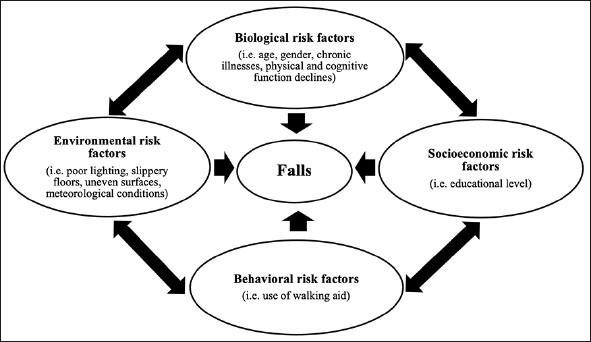
A nurse is caring for a client who is at risk for falls. Which of the following actions should the nurse take? (Select all that apply.)
A. Keep the client's bed in the lowest position.
Keeping the client's bed in the lowest position helps minimize the potential fall distance if the client attempts to get out of bed.
B. Assess the client every 4 hr.
Assessing the client every 4 hours is a good practice for general monitoring but may not be specific to fall prevention. More frequent assessments may be necessary for a client at high risk for falls.
C. Keep the client's room dark at night.
Keeping the client's room dark at night can actually increase the risk of falls. It's important to ensure there is adequate lighting to help the client navigate safely.
D. Teach the client to use the call light.
Teaching the client to use the call light allows them to request assistance when needed, reducing the likelihood of attempting to move or get out of bed independently.
E. Place a fall-risk identification band on the client's wrist.
Placing a fall-risk identification band on the client's wrist helps alert all healthcare providers that the client is at risk for falls. This information is crucial for ensuring appropriate precautions are taken.
Full Explanation
A. Keeping the client's bed in the lowest position helps minimize the potential fall distance if the client attempts to get out of bed.
B. Assessing the client every 4 hours is a good practice for general monitoring but may not be specific to fall prevention. More frequent assessments may be necessary for a client at high risk for falls.
C. Keeping the client's room dark at night can actually increase the risk of falls. It's important to ensure there is adequate lighting to help the client navigate safely.
D. Teaching the client to use the call light allows them to request assistance when needed, reducing the likelihood of attempting to move or get out of bed independently.
E. Placing a fall-risk identification band on the client's wrist helps alert all healthcare providers that the client is at risk for falls. This information is crucial for ensuring appropriate precautions are taken.
A nurse is planning home care for a 9-year-old child following an acute exacerbation of asthma.
Which of the following of Erikson's developmental stages should the nurse consider in the planning?
A. Initiative vs. guilt
Initiative vs. guilt primarily pertains to early childhood (around 3-6 years old) and focuses on developing a sense of purpose and the ability to initiate activities. It is not directly related to the situation of a 9-year-old child with asthma.
B. Autonomy vs. shame and doubt
Autonomy vs. shame and doubt is relevant for children aged 1 to 3 years. This stage focuses on children developing a sense of personal control over physical skills and a sense of independence, which is not directly relevant to a 9-year-old.
C. Identity vs. role confusion
Identity vs. role confusion is a stage that occurs in adolescence (around 12-18 years old). It involves the development of a sense of self and one's role in society. This is not directly relevant to the situation of a 9-year-old with asthma.
D. Industry vs. inferiority
Industry vs. inferiority is the stage for children aged 6 to 12 years, where they develop a sense of pride in their accomplishments and abilities. During this stage, children are learning to cope with new social and academic demands, making it essential for the nurse to consider the child's self-esteem and competence in managing their asthma and engaging in age-appropriate activities. This stage directly relates to the planning of home care for the 9-year-old child with asthma.
Full Explanation
A. Initiative vs. guilt is the developmental stage for children aged 3 to 6 years, where they begin to assert control and power over their environment. This stage is not applicable for a 9-year-old child.
B. Autonomy vs. shame and doubt is relevant for children aged 1 to 3 years. This stage focuses on children developing a sense of personal control over physical skills and a sense of independence, which is not directly relevant to a 9-year-old.
C. Identity vs. role confusion typically applies to adolescents aged 12 to 18 years, where individuals explore their independence and develop a sense of self and personal identity, making it less relevant for a 9-year-old child.
D. Industry vs. inferiority is the stage for children aged 6 to 12 years, where they develop a sense of pride in their accomplishments and abilities. During this stage, children are learning to cope with new social and academic demands, making it essential for the nurse to consider the child's self-esteem and competence in managing their asthma and engaging in age-appropriate activities. This stage directly relates to the planning of home care for the 9-year-old child with asthma.