Nursing practice questions with comprehensive rationales
NurseDive Free Nursing Practice Question
The healthcare provider gives a pregnant woman a prescription for one prenatal vitamin with iron daily and tells her to increase iron-rich foods in her diet because her hemoglobin is 8.2 g/dL or (5.09 mmol/L).
When a list of iron-rich foods is given to the client, she tells the practical nurse (PN) that she is vegetarian and does not eat anything that "bleeds." Which instruction should the PN provide? (Select all that apply.)
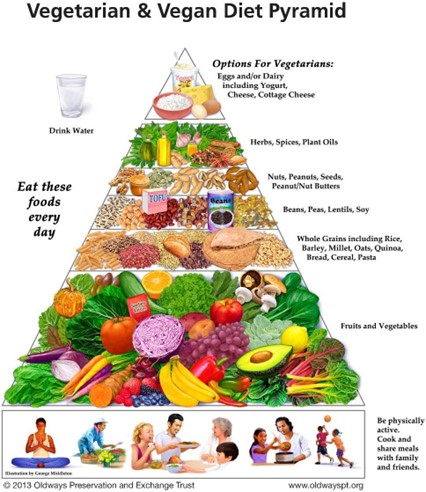
A. Add lentils and black beans to soups
Since the pregnant woman is vegetarian and does not eat meat, the practical nurse (PN) should provide alternative sources of iron-rich foods. Lentils and black beans are excellent vegetarian sources of iron and can be added to soups to increase iron intake (option a).
B. Eat red meat just until the anemia is resolved
Option b, which suggests eating red meat just until the anemia is resolved, is not appropriate for a vegetarian client.
C. Take two prenatal vitamins with iron daily
Option c, taking two prenatal vitamins with iron daily, is not necessary unless specifically advised by the healthcare provider. It is important to follow the prescribed dosage of medication and supplements as directed by the healthcare provider.
D. Oatmeal is a good choice for breakfast
Oatmeal is a good choice for breakfast as it is often fortified with iron (option d). This can help supplement iron intake in the diet.
E. Increase green leafy vegetables in the diet
Green leafy vegetables, such as spinach, kale, and broccoli, are also rich in iron and should be increased in the client's diet (option e).
This question is an excerpt from Nurse Dive's nursing test bank - HESI PN Exit 2023 II Proctored Exam. Take the full exam now
Full Explanation
Since the pregnant woman is vegetarian and does not eat meat, the practical nurse (PN) should provide alternative sources of iron-rich foods. Lentils and black beans are excellent vegetarian sources of iron and can be added to soups to increase iron intake (option a).
Oatmeal is a good choice for breakfast as it is often fortified with iron (option d). This can help supplement
iron intake in the diet.
Green leafy vegetables, such as spinach, kale, and broccoli, are also rich in iron and should be increased in the client's diet (option e).
Option b, which suggests eating red meat just until the anemia is resolved, is not appropriate for a vegetarian client.
Option c, taking two prenatal vitamins with iron daily, is not necessary unless specifically advised by the healthcare provider. It is important to follow the prescribed dosage of medication and supplements as directed by the healthcare provider.
 |
Similar Questions
On the first day after a cesarean section, a client who is a primipara is being assisted to the bathroom for the first time.
The client experiences a sudden gush of vaginal blood and notices that several blood clots are in the toilet. Which action should the practical nurse (PN) take?
A. Insert an indwelling catheter to empty the bladder and contract the fundus
This is not the first action to take for a client who experiences a sudden gush of vaginal blood and clots after a cesarean section. Inserting an indwelling catheter requires a physician's order and may cause discomfort and infection. The client may already have a catheter in place after the surgery.
B. Check fundal consistency and continue to monitor the lochial flow amount
This is not enough to do for a client who experiences a sudden gush of vaginal blood and clots after a cesarean section. Checking fundal consistency and monitoring lochial flow are important, but they do not address the cause of bleeding or prevent further blood loss.
C. Return the client to bed and maintain bedrest until the lochial flow slows
This is not appropriate for a client who experiences a sudden gush of vaginal blood and clots after a cesarean section. Returning the client to bed and maintaining bedrest may delay ambulation and increase the risk of thromboembolism. It also does not stop the bleeding or treat the underlying cause.
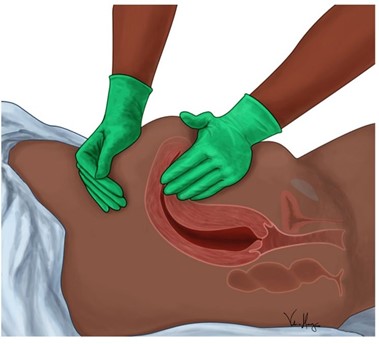
D. Massage the fundus and avoid direct pressure on the cesarean incision
This is the best action to take for a client who experiences a sudden gush of vaginal blood and clots after a cesarean section. Massaging the fundus helps to stimulate uterine contractions and reduce bleeding. Avoiding direct pressure on the incision prevents pain and wound dehiscence.
Full Explanation
The correct answer and explanation is:
d) Massage the fundus and avoid direct pressure on the cesarean incision.
This is the best action to take for a client who experiences a sudden gush of vaginal blood and clots after a
cesarean section. Massaging the fundus helps to stimulate uterine contractions and reduce bleeding.
Avoiding direct pressure on the incision prevents pain and wound dehiscence.
a) Insert an indwelling catheter to empty the bladder and contract the fundus.
This is not the first action to take for a client who experiences a sudden gush of vaginal blood and clots after a cesarean section. Inserting an indwelling catheter requires a physician's order and may cause discomfort and infection. The client may already have a catheter in place after the surgery.
b) Check fundal consistency and continue to monitor the lochial flow amount.
This is not enough to do for a client who experiences a sudden gush of vaginal blood and clots after a cesarean section. Checking fundal consistency and monitoring lochial flow are important, but they do not address the cause of bleeding or prevent further blood loss.
c) Return the client to bed and maintain bedrest until the lochial flow slows.
This is not appropriate for a client who experiences a sudden gush of vaginal blood and clots after a cesarean section. Returning the client to bed and maintaining bedrest may delay ambulation and increase the risk of thromboembolism. It also does not stop the bleeding or treat the underlying cause.
The practical nurse (PN) notices that one of the unlicensed assistive personnel (UAP) working in the long- term care facility consistently records subnormal temperatures when using a tympanic thermometer.
Which action should the PN take first?
A. Demonstrate how to use the equipment
This is not the first action the PN should take when noticing that the UAP consistently records subnormal temperatures when using a tympanic thermometer. Demonstrating how to use the equipment may be helpful, but it should be done after observing how the UAP obtains temperatures and determining the cause of the discrepancy.
B. Observe how UAP obtains temperatures
This is the first action the PN should take when noticing that the UAP consistently records subnormal temperatures when using a tympanic thermometer. Observing how the UAP obtains temperatures will help the PN identify any errors or problems with the technique, equipment, or documentation. The PN can then provide feedback and guidance to the UAP to ensure accurate and reliable temperature measurements.
C. Show UAP how to chart temperatures
This is not the first action the PN should take when noticing that the UAP consistently records subnormal temperatures when using a tympanic thermometer. Showing UAP how to chart temperatures may be necessary, but it should be done after observing how the UAP obtains temperatures and verifying the accuracy of the data.
D. Return the thermometer for recalibration
This is not the first action the PN should take when noticing that the UAP consistently records subnormal temperatures when using a tympanic thermometer. Returning the thermometer for recalibration may be required, but it should be done after observing how the UAP obtains temperatures and ruling out any human or environmental factors that may affect the readings.
Full Explanation
b) Observe how UAP obtains temperatures - Correct Answer
This is the first action the PN should take when noticing that the UAP consistently records subnormal temperatures when using a tympanic thermometer. Observing how the UAP obtains temperatures will help the PN identify any errors or problems with the technique, equipment, or documentation. The PN can then provide feedback and guidance to the UAP to ensure accurate and reliable temperature measurements.
a) Demonstrate how to use the equipment.
This is not the first action the PN should take when noticing that the UAP consistently records subnormal temperatures when using a tympanic thermometer. Demonstrating how to use the equipment may be helpful, but it should be done after observing how the UAP obtains temperatures and determining the cause of the discrepancy.
c) Show UAP how to chart temperatures.
This is not the first action the PN should take when noticing that the UAP consistently records subnormal temperatures when using a tympanic thermometer. Showing UAP how to chart temperatures may be necessary, but it should be done after observing how the UAP obtains temperatures and verifying the accuracy of the data.
d) Return the thermometer for recalibration.
This is not the first action the PN should take when noticing that the UAP consistently records subnormal temperatures when using a tympanic thermometer. Returning the thermometer for recalibration may be required, but it should be done after observing how the UAP obtains temperatures and ruling out any human or environmental factors that may affect the readings.
An adult female client with type 1 diabetes mellitus is receiving NPH insulin 35 units each morning. Which finding should the practical nurse (PN) document as evidence that the amount of insulin is inadequate?
A. States her feet are constantly cold along with feeling numb
This is not the finding that the PN should document as evidence that the amount of insulin is inadequate for the client with type 1 diabetes mellitus. States her feet are constantly cold along with feeling numb may indicate peripheral neuropathy, which is a complication of diabetes that affects the nerves in the feet and legs. It is caused by chronic high blood sugar levels over time, not by a single dose of insulin.
B. Consecutive evening serum glucose greater than 260 mg/dL
This is the finding that the PN should document as evidence that the amount of insulin is inadequate for the client with type 1 diabetes mellitus. Consecutive evening serum glucose greater than 260 mg/dL indicates hyperglycemia, which means that the client's blood sugar is too high and not well controlled by the insulin dose. The PN should report this finding to the healthcare provider and expect a possible adjustment in the insulin regimen.
C. A wound on the ankle that starts to drain and becomes painful
This is not the finding that the PN should document as evidence that the amount of insulin is inadequate for the client with type 1 diabetes mellitus. A wound on the ankle that starts to drain and becomes painful may indicate an infection, which is a risk factor for diabetic clients due to impaired wound healing and immune function. It is not directly related to the insulin dose, although it may affect the blood sugar levels and require more insulin.
D. Reports nausea in the morning but still able to eat breakfast
This is not the finding that the PN should document as evidence that the amount of insulin is inadequate for the client with type 1 diabetes mellitus. Reports nausea in the morning but still able to eat breakfast may indicate morning sickness, which is a common symptom of pregnancy. It is not related to the insulin dose, although it may affect the blood sugar levels and require more frequent monitoring and adjustment.
Full Explanation
The correct answer and explanation is:
b) Consecutive evening serum glucose greater than 260 mg/dL.
This is the finding that the PN should document as evidence that the amount of insulin is inadequate for the client with type 1 diabetes mellitus. Consecutive evening serum glucose greater than 260 mg/dL indicates hyperglycemia, which means that the client's blood sugar is too high and not well controlled by the insulin dose.
The PN should report this finding to the healthcare provider and expect a possible adjustment in the insulin regimen.
a) States her feet are constantly cold along with feeling numb.
This is not the finding that the PN should document as evidence that the amount of insulin is inadequate for the client with type 1 diabetes mellitus.
States her feet are constantly cold along with feeling numb may indicate peripheral neuropathy, which is a complication of diabetes that affects the nerves in the feet and legs. It is caused by chronic high blood sugar levels over time, not by a single dose of insulin.
c) A wound on the ankle that starts to drain and becomes painful.
This is not the finding that the PN should document as evidence that the amount of insulin is inadequate for the client with type 1 diabetes mellitus. A wound on the ankle that starts to drain and becomes painful may indicate an infection, which is a risk factor for diabetic clients due to impaired wound healing and immune function. It is not directly related to the insulin dose, although it may affect the blood sugar levels and require more insulin.
d) Reports nausea in the morning but still able to eat breakfast.
This is not the finding that the PN should document as evidence that the amount of insulin is inadequate for the client with type 1 diabetes mellitus. Reports nausea in the morning but still able to eat breakfast may indicate morning sickness, which is a common symptom of pregnancy. It is not related to the insulin dose, although it may affect the blood sugar levels and require more frequent monitoring and adjustment.