
Nursing practice questions with comprehensive rationales
NurseDive Free Nursing Practice Question
A. This means that both sides of your heart are weak and not pumping well.
Cor pulmonale specifically refers to right-sided heart failure. It occurs due to an underlying lung disorder causing pulmonary hypertension (high pressures in the lungs). The right ventricle enlarges and pumps blood less effectively.
B. This means that the left side of your heart is weak and failing.
Cor pulmonale does not involve the left side of the heart. It is primarily related to the right ventricle.
C. This means that more testing is needed to determine what is wrong.
While further testing may be necessary, it does not directly explain cor pulmonale.
D. This means that the right side of your heart is weak and not pumping effectively.
Cor pulmonale results from lung conditions causing pulmonary hypertension.The right ventricle becomes enlarged and less effective due to increased pressure in the pulmonary arteries.
This question is an excerpt from Nurse Dive's nursing test bank - Ati Advanced Concept Proctored Exam 240. Take the full exam now
Full Explanation
Choice A reason: Cor pulmonale specifically refers to right-sided heart failure. It occurs due to an underlying lung disorder causing pulmonary hypertension (high pressures in the lungs). The right ventricle enlarges and pumps blood less effectively.
Choice B reason:Cor pulmonale does not involve the left side of the heart. It is primarily related to the right ventricle.
Choice C reason: While further testing may be necessary, it does not directly explain cor pulmonale.
Choice D reason:Cor pulmonale results from lung conditions causing pulmonary hypertension.The right ventricle becomes enlarged and less effective due to increased pressure in the pulmonary arteries.
Similar Questions
Your patient, who is manic, says, "Everything I do is great." How should you respond?
A. "Yes, I am happy for you."
Affirming the patient's statement without addressing the potential for grandiosity may not be therapeutic.
B. "No one can be great at everything."
Telling a manic patient that no one can be great at everything may be confrontational and could escalate the situation.
C. "Keep it up."
Encouraging the patient to "keep it up" may reinforce potentially harmful manic behavior.
D. "Tell me about a time in your life when things didn't go as planned."
Asking the patient to recall a time when things didn't go as planned can help ground their thoughts and is a therapeutic communication technique used to address potential grandiosity in mania.
Full Explanation
Choice A reason: Affirming the patient's statement without addressing the potential for grandiosity may not be therapeutic.
Choice B reason: Telling a manic patient that no one can be great at everything may be confrontational and could escalate the situation.
Choice C reason: Encouraging the patient to "keep it up" may reinforce potentially harmful manic behavior.
Choice D reason: Asking the patient to recall a time when things didn't go as planned can help ground their thoughts and is a therapeutic communication technique used to address potential grandiosity in mania.
Which of the following is not true about depression?
A. Grief after a major loss can mimic depression.
Grief after a major loss can indeed mimic the symptoms of depression, but it is not considered clinical depression unless the symptoms persist and meet specific criteria.
B. It is common after a myocardial infarction (MI).
Depression is common after a myocardial infarction (MI) due to the emotional and physical stress of the event and recovery process.
C. Children and adolescents can suffer from depression.
Children and adolescents can and do suffer from depression, and it is important for it to be recognized and treated appropriately.
D. It is more common in men than women.
Depression is more common in women than in men, which makes the statement incorrect.
Full Explanation
Choice A reason: Grief after a major loss can indeed mimic the symptoms of depression, but it is not considered clinical depression unless the symptoms persist and meet specific criteria.
Choice B reason: Depression is common after a myocardial infarction (MI) due to the emotional and physical stress of the event and recovery process.
Choice C reason: Children and adolescents can and do suffer from depression, and it is important for it to be recognized and treated appropriately.
Choice D reason: Depression is more common in women than in men, which makes the statement incorrect.
A nurse is assisting with the care of a client in the emergency department who reports severe radiating chest pain and shortness of breath. The client appears restless, frightened, and slightly cyanotic. The provider prescribes oxygen by nasal cannula at 4 L/min stat, cardiac enzyme levels, IV fluids, and a 12-lead ECG. Which of the following actions should the nurse take first?
A. Attach the leads for a 12-lead ECG.
While attaching leads for a 12-lead ECG is important, it is not the most immediate action required for a client showing signs of distress and potential hypoxia.
B. Obtain a blood sample.
Obtaining a blood sample is necessary for diagnosing the cause of chest pain but is not the first priority in an emergency situation.
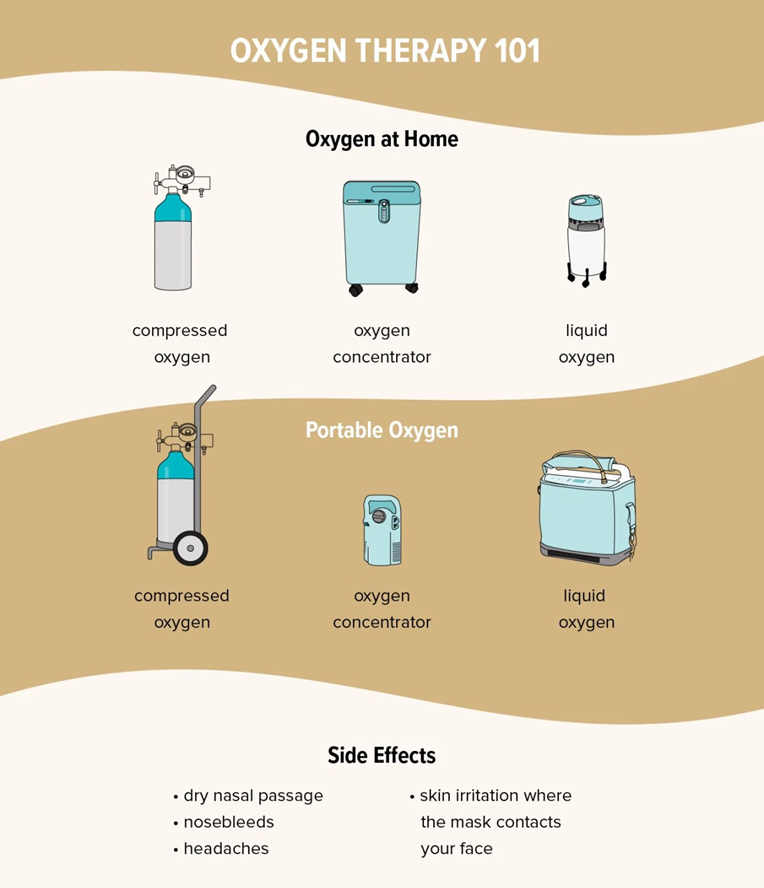
C. Initiate oxygen therapy.
Initiating oxygen therapy is the first and most critical step in managing a client with severe chest pain, shortness of breath, and cyanosis to ensure adequate oxygenation.
D. Insert the IV catheter.
Inserting an IV catheter is important for administering medications and fluids but comes after ensuring the client is receiving sufficient oxygen.
Full Explanation
Choice A reason: While attaching leads for a 12-lead ECG is important, it is not the most immediate action required for a client showing signs of distress and potential hypoxia.
Choice B reason: Obtaining a blood sample is necessary for diagnosing the cause of chest pain but is not the first priority in an emergency situation.
Choice C reason: Initiating oxygen therapy is the first and most critical step in managing a client with severe chest pain, shortness of breath, and cyanosis to ensure adequate oxygenation.
Choice D reason: Inserting an IV catheter is important for administering medications and fluids but comes after ensuring the client is receiving sufficient oxygen.