
Nursing practice questions with comprehensive rationales
NurseDive Free Nursing Practice Question
The nurse exploring cranial nerves function and observes the following reaction: The nurse documents that the client has a:
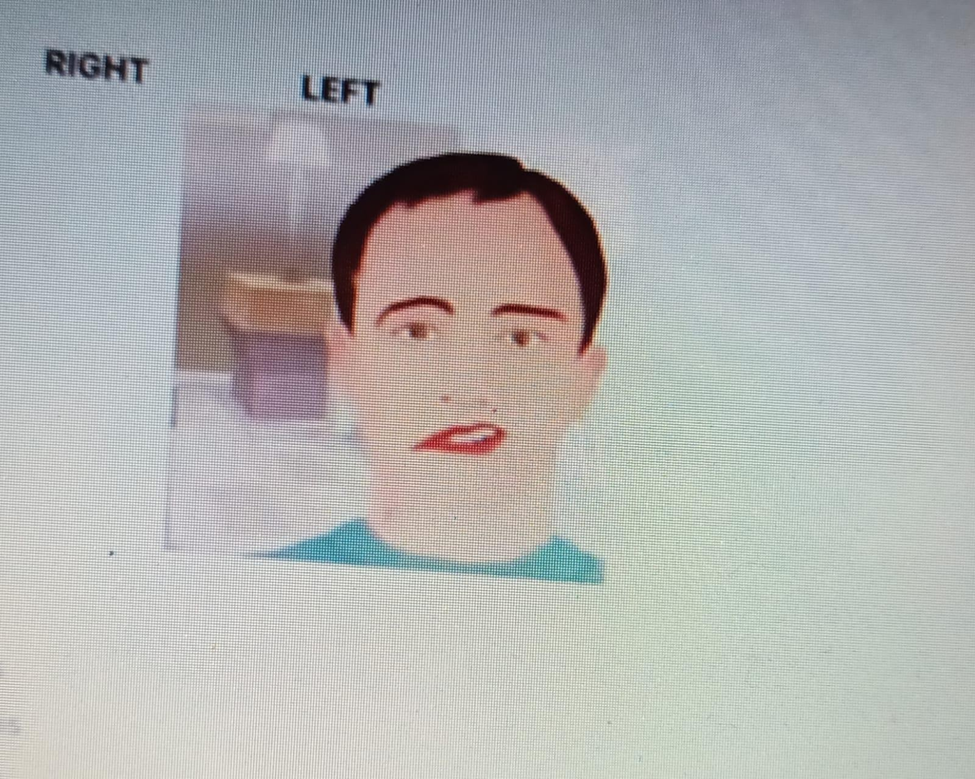
A. Left VII cranial nerve paralysis
This is not accurate since the manifestations of facial nerve paralysis are observed on the contralateral side which in this case is the left side of the face hence the right facial nerve is paralyzed.
B. Right Vll cranial nerve paralysis
Facial nerve paralysis cause symptoms such as drooping of the eyelid, cheek or mouth as depicted in the above picture. The right facial nerve is paralyzed since the nerve innervates the contralateral side hence the effects are demonstrated on the left side of the face.
C. Right V cranial nerve paralysis
trigeminal nerve paralysis causes symptoms such as weakness in muscles of mastication, altered sensation over the face and tongue, and hearing impairment and not the symptoms depicted above.
D. Left V cranial nerve paralysis
trigeminal nerve paralysis causes symptoms such as weakness in muscles of mastication, altered sensation over the face and tongue, and hearing impairment and not the symptoms depicted above.
This question is an excerpt from Nurse Dive's nursing test bank - Interprofessional Care of the Client and Family Across the Lifespan II Proctored Exam. Take the full exam now
Full Explanation
Choice A rationale: This is not accurate since the manifestations of facial nerve paralysis are observed on the contralateral side which in this case is the left side of the face hence the right facial nerve is paralyzed.
Choice B rationale: Facial nerve paralysis cause symptoms such as drooping of the eyelid, cheek or mouth as depicted in the above picture. The right facial nerve is paralyzed since the nerve innervates the contralateral side hence the effects are demonstrated on the
left side of the face.
Choice C rationale: trigeminal nerve paralysis causes symptoms such as weakness in muscles of mastication, altered sensation over the face and tongue, and hearing impairment and not the symptoms depicted above.
Choice D rationale: trigeminal nerve paralysis causes symptoms such as weakness in muscles of mastication, altered sensation over the face and tongue, and hearing impairment and not the symptoms depicted above.
Similar Questions
Which question should the nurse ask when assessing a 60-year-old patient who has a history of benign prostatic hyperplasia (BPH)?
A. "Have you been experiencing any difficulty in achieving an erection?"
This question is not relevant to BPH, as erectile dysfunction is not a common complication of this condition. Erectile dysfunction can have other causes, such as cardiovascular disease, diabetes, medications, psychological factors, or aging.
B. "Have you noticed any unusual discharge from your penis?"
This question is not relevant to BPH, as penile discharge is not a symptom of this condition. Penile discharge can indicate an infection, such as sexually transmitted diseases, urinary tract infections, or prostatitis.
C. "Has there been a decrease in the force of your urinary stream?"
BPH is a condition that causes enlargement of the prostate gland, which can obstruct the flow of urine and cause symptoms such as difficulty in starting or stopping urination, weak or intermittent stream, dribbling, and incomplete bladder emptying. Asking about the force of the urinary stream can help assess the severity of BPH and the need for treatment.
D. "Has there been any change in your sex life in the past year?"
This question is not relevant to BPH, as sexual function is not directly affected by this condition. However, some men with BPH may experience reduced libido or satisfaction due to urinary symptoms or psychological distress.
Full Explanation
Choice A rationale: This question is not relevant to BPH, as erectile dysfunction is not a common complication of this condition. Erectile dysfunction can have other causes, such as cardiovascular disease, diabetes, medications, psychological factors, or aging.
Choice B rationale: This question is not relevant to BPH, as penile discharge is not a symptom of this condition. Penile discharge can indicate an infection, such as sexually transmitted diseases, urinary tract infections, or prostatitis.
Choice C rationale: BPH is a condition that causes enlargement of the prostate gland, which can obstruct the flow of urine and cause symptoms such as difficulty in starting or stopping urination, weak or intermittent stream, dribbling, and incomplete bladder emptying. Asking about the force of the urinary stream can help assess the severity of BPH and the need for treatment.
Choice D rationale: This question is not relevant to BPH, as sexual function is not directly affected by this condition. However, some men with BPH may experience reduced libido or satisfaction due to urinary symptoms or psychological distress.
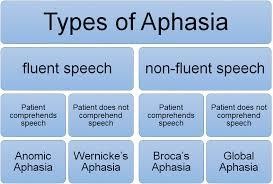
The nurse is assessing a patient with suspected neurological issues. The patient's speech is delivered with normal rhythm but filled with words that do not form any meaningful statements.
The patient is also unable to write or repeat back words and does not appear to understand the nurse's instructions or questions. The nurse would recognize these symptoms as:
A. Expressive aphasia
Expressive aphasia is a type of non-fluent aphasia that affects the ability to produce language. It is caused by damage to the anterior part of the left frontal lobe, which is responsible for motor planning and execution of speech. Patients with expressive aphasia can understand language but have difficulty speaking, writing, or naming objects. They often produce short, halting, and grammatically incorrect sentences with word-finding difficulties.
B. Broca's aphasia
this is another term for expressive aphasia. The patient can understand language but have difficulty speaking, writing, or naming objects. They often produce short, halting, and grammatically incorrect sentences with word-finding difficulties.
C. Global aphasia
Global aphasia is a severe form of aphasia that affects both comprehension and production of language. It is caused by extensive damage to the left hemisphere of the brain, which is dominant for language functions in most people. Patients with global aphasia have little or no ability to speak, write, read, or understand language.
D. Wernicke's aphasia
Wernicke's aphasia is a type of receptive aphasia that affects the comprehension and production of language. It is caused by damage to the posterior part of the left temporal lobe, which is responsible for processing auditory and visual information. Patients with Wernicke's aphasia can speak fluently but nonsensically, using words that are irrelevant, invented, or distorted. They also have difficulty understanding spoken or written language and following commands.
Full Explanation
Choice A rationale: Expressive aphasia is a type of non-fluent aphasia that affects the
ability to produce language. It is caused by damage to the anterior part of the left frontal lobe, which is responsible for motor planning and execution of speech. Patients with expressive aphasia can understand language but have difficulty speaking, writing, or naming objects. They often produce short, halting, and grammatically incorrect sentences with word-finding difficulties.
Choice B rationale: this is another term for expressive aphasia. The patient can
understand language but have difficulty speaking, writing, or naming objects. They often produce short, halting, and grammatically incorrect sentences with word-finding difficulties.
Choice C rationale: Global aphasia is a severe form of aphasia that affects both
comprehension and production of language. It is caused by extensive damage to the left hemisphere of the brain, which is dominant for language functions in most people.
Patients with global aphasia have little or no ability to speak, write, read, or understand language.
Choice D rationale: Wernicke's aphasia is a type of receptive aphasia that affects the
comprehension and production of language. It is caused by damage to the posterior part of the left temporal lobe, which is responsible for processing auditory and visual
information. Patients with Wernicke's aphasia can speak fluently but nonsensically, using words that are irrelevant, invented, or distorted. They also have difficulty understanding spoken or written language and following commands.
The home health nurse visits a client with chronic diabetes insipidus:
Which three (4) client statements would indicate a correct understanding of the teaching?
A. "If I develop confusion with this medication, I should call 911."
Correct. The statement is accurate because developing confusion could be a sign of a serious condition like severe electrolyte imbalance or dehydration, requiring immediate medical attention.
B. "I should limit the amount of fluids that I drink after 5:00 PM."
Incorrect. Fluid intake should not be arbitrarily limited without medical advice, especially for a client with diabetes insipidus. Maintaining a consistent fluid intake is crucial, and any changes should be guided by a healthcare provider.
C. "I will need to weigh myself at the same time every day."
Correct. Weighing oneself at the same time every day is a good practice for monitoring fluid balance and identifying sudden changes that may indicate a problem.
D. "I should put both doses of the desmopressin in one nostril."
Incorrect. Desmopressin doses should be administered as prescribed. The medication's administration should be consistent with the healthcare provider's instructions or the medication guide, not arbitrarily altered.
E. "I need to keep a log of my fluid intake and urine output."
Correct. Keeping a log of fluid intake and urine output is important for managing diabetes insipidus effectively and allows for informed adjustments in fluid intake or medication dosage.
F. "I may need an additional dose if I keep urinating a lot."
Incorrect. Adjusting medication dosage without consulting a healthcare provider is not safe. While increased urination is a symptom of diabetes insipidus, the client should consult their healthcare provider if their symptoms persist or worsen, rather than self-adjusting the medication dose.
Full Explanation
Choice A rationale: Correct. The statement is accurate because developing confusion could be a sign of a serious condition like severe electrolyte imbalance or dehydration, requiring immediate medical attention.
Choice B rationale: Incorrect. Fluid intake should not be arbitrarily limited without medical advice, especially for a client with diabetes insipidus. Maintaining a consistent fluid intake is crucial, and any changes should be guided by a healthcare provider.
Choice C rationale: Correct. Weighing oneself at the same time every day is a good practice for monitoring fluid balance and identifying sudden changes that may indicate a problem.
Choice D rationale: Incorrect. Desmopressin doses should be administered as prescribed. The medication's administration should be consistent with the healthcare provider's instructions or the medication guide, not arbitrarily altered.
Choice E rationale: Correct. Keeping a log of fluid intake and urine output is important for managing diabetes insipidus effectively and allows for informed adjustments in fluid intake or medication dosage.
Choice F rationale: Incorrect. Adjusting medication dosage without consulting a healthcare provider is not safe. While increased urination is a symptom of diabetes insipidus, the client should consult their healthcare provider if their symptoms persist or worsen, rather than self-adjusting the medication dose.