
Nursing practice questions with comprehensive rationales
NurseDive Free Nursing Practice Question
The nurse is administering medications to a client with a diagnosis of depression. The nurse would expect to see which medication was ordered for this client.
A. Crestor (Rosuvastatin)
Crestor (Rosuvastatin) is a statin used for lowering cholesterol levels, not for treating depression.
B. Seroquel (Quetiapine)
Seroquel (Quetiapine) is an atypical antipsychotic used for various mental health conditions such as schizophrenia, bipolar disorder, and major depressive disorder. However, it is not a first-line treatment for depression.
C. Paxil (Paroxetine)
Paxil (Paroxetine) is an antidepressant commonly used in the treatment of depression and other mood disorders. It belongs to the selective serotonin reuptake inhibitor (SSRI) class of medications.
D. Latuda (Lurasidone)
Latuda (Lurasidone) is an atypical antipsychotic used in certain psychiatric conditions such as schizophrenia and bipolar depression but is not typically a first-line treatment for depression.
This question is an excerpt from Nurse Dive's nursing test bank - ATI ns 130 Exam Psychosocial Proctored Exam. Take the full exam now
Full Explanation
Choice A rationale: Crestor (Rosuvastatin) is a statin used for lowering cholesterol levels, not for treating depression.
Choice B rationale: Seroquel (Quetiapine) is an atypical antipsychotic used for various mental health conditions such as schizophrenia, bipolar disorder, and major depressive disorder. However, it is not a first-line treatment for depression.
Choice C rationale: Paxil (Paroxetine) is an antidepressant commonly used in the treatment of depression and other mood disorders. It belongs to the selective serotonin reuptake inhibitor (SSRI) class of medications.
Choice D rationale: Latuda (Lurasidone) is an atypical antipsychotic used in certain psychiatric conditions such as schizophrenia and bipolar depression but is not typically a first-line treatment for depression.

Similar Questions
When communicating with an angry patient; the nurse must first:
A. Identify emotions
This is an important step but it comes second after actively listening to the patient. Understanding the underlying emotions allows the nurse to respond appropriately and address the patient's concerns effectively. By identifying the emotions, the nurse can establish a foundation for constructive communication and work towards resolving the source of anger.
B. Listen actively
Listening actively is an important component of effective communication and it entails paying attention to the client's verbal and non-verbal cues. This shows empathy and an interest in the patient’s concerns.
C. Explore options
Exploring options is relevant, but it is a subsequent step in the communication process after active listening and identifying emotions.
D. Offer positive comments
this is inappropriate especially when dealing with an angry patient as it may sound patronizing, insincere, and dismissive.
Full Explanation
Choice A rationale: This is an important step but it comes second after actively listening to the patient. Understanding the underlying emotions allows the nurse to respond appropriately and address the patient's concerns effectively. By identifying the emotions, the nurse can establish a foundation for constructive communication and work towards resolving the source of anger.
Choice B rationale: Listening actively is an important component of effective communication and it entails paying attention to the client's verbal and non-verbal cues. This shows empathy and an interest in the patient’s concerns.
Choice C rationale: Exploring options is relevant, but it is a subsequent step in the communication process after active listening and identifying emotions.
Choice D rationale: this is inappropriate especially when dealing with an angry patient as it may sound patronizing, insincere, and dismissive.
One of the major disadvantages of benzodiazepines prescribed for anxiety is that these medications:
A. Take 4 to 6 weeks before the onset of action occurs
Benzodiazepines typically have a relatively rapid onset of action, usually within a few minutes to hours after taking the drug hence making them effective for the management of anxiety and panic attacks.
B. Often causes serious side effects
While benzodiazepines may have side effects, serious side effects are not a major disadvantage when compared to the risk of dependency.
C. Are new to the market with little research
Benzodiazepines are a well-researched class of medications and are not considered "new to the market since they have been in use since the 1960s.
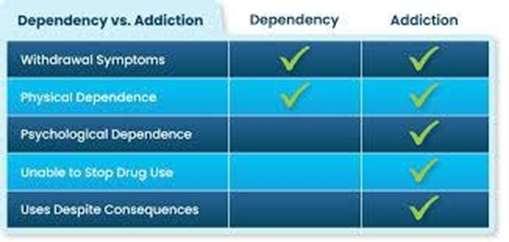
D. Cause dependency with long-term use
Benzodiazepines have the potential for dependency and tolerance with long-term use. They are generally recommended for short-term use due to the risk of developing a physical and psychological dependence hence the drug should only be used under the guidance of a qualified healthcare professional.
Full Explanation
Choice A rationale: Benzodiazepines typically have a relatively rapid onset of action, usually within a few minutes to hours after taking the drug hence making them effective for the management of anxiety and panic attacks.
Choice B rationale: While benzodiazepines may have side effects, serious side effects are not a major disadvantage when compared to the risk of dependency.
Choice C rationale: Benzodiazepines are a well-researched class of medications and are not considered "new to the market since they have been in use since the 1960s.
Choice D rationale: Benzodiazepines have the potential for dependency and tolerance with long-term use. They are generally recommended for short-term use due to the risk of developing a physical and psychological dependence hence the drug should only be used under the guidance of a qualified healthcare professional.
During an admission assessment, a male client states that he has been having auditory hallucinations and difficulty concentrating at work. This type of data is referred to as:
A. Measured
Measured data involves quantitative information obtained through measurement and observation, not the client's self-report.
B. Objective
Objective data is observable and measurable, often obtained through physical examination or direct observation.
C. Shared
Shared data is not a commonly used term in the context of describing information provided by a client. However, it could refer to information that is communicated or exchanged between the nurse and healthcare professionals.
D. Subjective
Subjective data refers to information provided by the client based on their own feelings, perceptions, or experiences. In this case, the client's statement about auditory hallucinations and difficulty concentrating represents subjective data.
Full Explanation
Choice A rationale: Measured data involves quantitative information obtained through measurement and observation, not the client's self-report.
Choice B rationale: Objective data is observable and measurable, often obtained through physical examination or direct observation.
Choice C rationale: Shared data is not a commonly used term in the context of describing information provided by a client. However, it could refer to information that is communicated or exchanged between the nurse and healthcare professionals.
Choice D rationale: Subjective data refers to information provided by the client based on their own feelings, perceptions, or experiences. In this case, the client's statement about auditory hallucinations and difficulty concentrating represents subjective data.