
Nursing practice questions with comprehensive rationales
NurseDive Free Nursing Practice Question
The nurse is admitting a patient who was diagnosed with acute renal failure. Which electrolyte should the nurse expect to be most affected with this disorder?
A. Phosphorous.
While acute renal failure can affect phosphorus levels, potassium is the electrolyte most commonly affected in this condition. Kidneys play a crucial role in regulating potassium levels in the body, and when they fail, potassium levels can become dangerously elevated.
B. Magnesium.
Acute renal failure can lead to alterations in magnesium levels, but potassium is typically more affected. Magnesium imbalances may occur but are not the primary concern in this condition.
C. Potassium.
As mentioned earlier, potassium imbalances are common in acute renal failure. The nurse should closely monitor the patient's potassium levels and be prepared to intervene if they become too high or too low.
D. Calcium.
Calcium levels may also be affected in acute renal failure, but potassium remains the most critical electrolyte to monitor in this condition.
This question is an excerpt from Nurse Dive's nursing test bank - ATI custom Fluid and Electrolyte Exam Summer 2023 Proctored Exam. Take the full exam now
Full Explanation
Choice A rationale:
While acute renal failure can affect phosphorus levels, potassium is the electrolyte most commonly affected in this condition. Kidneys play a crucial role in regulating potassium levels in the body, and when they fail, potassium levels can become dangerously elevated.
Choice B rationale:
Acute renal failure can lead to alterations in magnesium levels, but potassium is typically more affected. Magnesium imbalances may occur but are not the primary concern in this condition.
Choice C rationale:
As mentioned earlier, potassium imbalances are common in acute renal failure. The nurse should closely monitor the patient's potassium levels and be prepared to intervene if they become too high or too low.
Choice D rationale:
Calcium levels may also be affected in acute renal failure, but potassium remains the most critical electrolyte to monitor in this condition.
Similar Questions
A nurse is reviewing a client's laboratory values and discovers the client has a serum potassium of 6.2 mEq/L. Which of the following interventions should the nurse anticipate?
A. Administering a potassium-sparing diuretic.
Administering a potassium-sparing diuretic is not appropriate for a client with hyperkalemia (high potassium levels). Potassium-sparing diuretics would further increase potassium levels, worsening the condition.
B. Administering sodium polystyrene sulfonate.
Sodium polystyrene sulfonate is used to treat hyperkalemia. It works by exchanging sodium ions for potassium ions in the intestines, which helps to lower serum potassium levels by excreting it through the stool.
C. Initiating an IV potassium infusion.
Initiating an IV potassium infusion would be contraindicated in this situation as it would increase the already elevated potassium levels, potentially leading to dangerous cardiac complications.
D. Encouraging the client to eat bananas.
Encouraging the client to eat bananas is not advisable because bananas are high in potassium, which would exacerbate hyperkalemia.
Full Explanation
The correct answer is choice B) Administering sodium polystyrene sulfonate.
Choice A rationale:
Administering a potassium-sparing diuretic is not appropriate for a client with hyperkalemia (high potassium levels). Potassium-sparing diuretics would further increase potassium levels, worsening the condition.
Choice B rationale:
Sodium polystyrene sulfonate is used to treat hyperkalemia. It works by exchanging sodium ions for potassium ions in the intestines, which helps to lower serum potassium levels by excreting it through the stool.
Choice C rationale:
Initiating an IV potassium infusion would be contraindicated in this situation as it would increase the already elevated potassium levels, potentially leading to dangerous cardiac complications.
Choice D rationale:
Encouraging the client to eat bananas is not advisable because bananas are high in potassium, which would exacerbate hyperkalemia.
A patient with atrial fibrillation and a serum potassium level of 3.0 mEq/L takes digoxin (Lanoxin), ASA (aspirin), KCL (potassium chloride), and warfarin (Coumadin) daily. The patient reports visual disturbances. The nurse suspects problems with which medication?
A. Potassium chloride.
Potassium chloride (KCL) is a supplement used to treat or prevent low potassium levels. While it can have side effects, visual disturbances are not typically associated with KCL. Therefore, it is not the medication the nurse suspects to be causing the problem.
B. Warfarin.
Warfarin (Coumadin) is an anticoagulant used to prevent blood clot formation. Visual disturbances are not a known side effect of warfarin. Therefore, it is unlikely to be the cause of the patient's symptoms.
C. Aspirin.
Aspirin (ASA) is a pain reliever and antiplatelet medication, and while it can cause visual disturbances in some cases, it is not a common or significant side effect. Aspirin is also not specifically linked to atrial fibrillation.
D. Digoxin.
Digoxin (Lanoxin) is used to treat atrial fibrillation and heart failure. Visual disturbances are a known side effect of digoxin toxicity. Given the patient's diagnosis of atrial fibrillation and the reported symptoms, the nurse suspects the problem lies with digoxin and should further investigate and report to the provider.
Full Explanation
Digoxin. Choice A rationale:
Potassium chloride (KCL) is a supplement used to treat or prevent low potassium levels. While it can have side effects, visual disturbances are not typically associated with KCL. Therefore, it is not the medication the nurse suspects to be causing the problem.
Choice B rationale:
Warfarin (Coumadin) is an anticoagulant used to prevent blood clot formation. Visual disturbances are not a known side effect of warfarin. Therefore, it is unlikely to be the cause of the patient's symptoms.
Choice C rationale:
Aspirin (ASA) is a pain reliever and antiplatelet medication, and while it can cause visual disturbances in some cases, it is not a common or significant side effect. Aspirin is also not specifically linked to atrial fibrillation.
Choice D rationale:
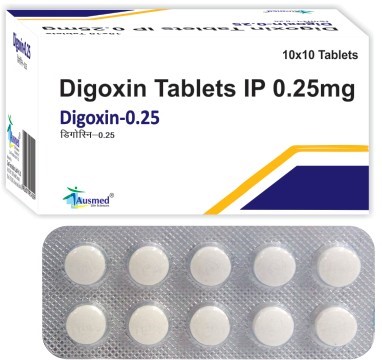
Digoxin (Lanoxin) is used to treat atrial fibrillation and heart failure. Visual disturbances are a known side effect of digoxin toxicity. Given the patient's diagnosis of atrial fibrillation and the reported symptoms, the nurse suspects the problem lies with digoxin and should further investigate and report to the provider.
A nurse is planning to teach a client about a high-potassium diet. Which of the following foods should the nurse instruct the client to eat? (Select all that apply.).
A. Sweet Potatoes.
Sweet potatoes are an excellent source of potassium. One medium sweet potato contains about 542 mg of potassium, making it a great option for a high-potassium diet.
B. Bananas.
Bananas are well-known for their high potassium content. A medium banana provides approximately 451 mg of potassium, which is beneficial for maintaining proper muscle and nerve function.
C. Grapes.
Grapes are not particularly high in potassium compared to other fruits. They contain some potassium, but not enough to be considered a significant source for a high-potassium diet.
D. Watermelon.
Watermelon is a good source of potassium. Two wedges of watermelon contain about 640 mg of potassium, making it a suitable choice for increasing potassium intake.
Full Explanation
The correct answer is choices A, B, and D. Here are the rationales for each choice:
Choice A rationale:
Sweet potatoes are an excellent source of potassium. One medium sweet potato contains about 542 mg of potassium, making it a great option for a high-potassium diet.
Choice B rationale:
Bananas are well-known for their high potassium content. A medium banana provides approximately 451 mg of potassium, which is beneficial for maintaining proper muscle and nerve function.
Choice C rationale:
Grapes are not particularly high in potassium compared to other fruits. They contain some potassium, but not enough to be considered a significant source for a high-potassium diet.
Choice D rationale:
Watermelon is a good source of potassium. Two wedges of watermelon contain about 640 mg of potassium, making it a suitable choice for increasing potassium intake.