Nursing practice questions with comprehensive rationales
NurseDive Free Nursing Practice Question
The nurse is caring for a 67-year-old client in the medical-surgical unit following hemodialysis.
The nurse reviews the nursing note, vital signs, assessment, and medical history
Which clinical data is most concerning to the nurse? Select all that apply
A. A/V fistula assessment
A/V fistula assessment is not concerning because a positive bruit and thrill indicate adequate blood flow through the fistula. A dry dressing with scant amount of blood is expected after hemodialysis.
B. Blood pressure
The client's low blood pressure could indicate hypotension, which can be critical, especially after hemodialysis. It may contribute to the client's reported dizziness and fatigue.
C. Pulse
The client’s pulse is irregular which may indicate cardiac arrhythmia.
D. Anuria
Anuria, the absence of urine output, is a significant concern. It could indicate kidney dysfunction or inadequate clearance of waste products, which may have implications following hemodialysis.
E. Oxygen saturation
Oxygen saturation at 92% is relatively low. While the client is alert and oriented, a low oxygen saturation level may indicate potential respiratory compromise or inadequate oxygenation.
F. Temperature
Temperature is not concerning because it is within normal range.
G. Neurological assessment
Neurological assessment is not concerning because the client is alert and oriented. The dizziness is likely related to the hypotension and will resolve once the blood pressure is stabilized.
This question is an excerpt from Nurse Dive's nursing test bank - Interprofessional Care of the Client and Family Across the Lifespan II Proctored Exam. Take the full exam now
Full Explanation
Choice A rationale: A/V fistula assessment is not concerning because a positive bruit and thrill indicate adequate blood flow through the fistula. A dry dressing with scant amount of blood is expected after hemodialysis.
Choice B rationale: The client's low blood pressure could indicate hypotension, which can be critical, especially after hemodialysis. It may contribute to the client's reported dizziness and fatigue.
Choice C rationale: The client’s pulse is irregular which may indicate cardiac arrhythmia. Choice D rationale: Anuria, the absence of urine output, is a significant concern. It could indicate kidney dysfunction or inadequate clearance of waste products, which may have implications following hemodialysis.
Choice E rationale: Oxygen saturation at 92% is relatively low. While the client is alert and oriented, a low oxygen saturation level may indicate potential respiratory compromise or inadequate oxygenation.
Choice F rationale: Temperature is not concerning because it is within normal range.
Choice G rationale: Neurological assessment is not concerning because the client is alert and oriented. The dizziness is likely related to the hypotension and will resolve once the blood pressure is stabilized.
Similar Questions
The nurse is teaching a client with Parkinson's disease about dietary considerations. The nurse understands that this client is at highest risk for:
A. loose stools and choking.
While gastrointestinal issues like loose stools can occur in Parkinson's disease due to impaired bowel movements, they are not the highest risk related to dietary considerations. Choking might occur due to dysphagia, but it's not specifically the highest risk.
B. drooling and a loss of appetite.
Drooling, due to weakened or uncoordinated swallowing muscles, is common in Parkinson's disease but might not pose the highest risk. A loss of appetite can occur but might not be the highest dietary risk for the client.
C. constipation and drooling.
Constipation is a common gastrointestinal issue in Parkinson's disease, but though problematic, it's not the highest risk concerning dietary considerations. Drooling can also be present but might not be the primary dietary concern.
D. dysphagia and aspiration.
Parkinson's disease often leads to dysphagia (difficulty swallowing) and aspiration (inhalation of food or liquids into the lungs). These present significant risks related to dietary considerations, as they can lead to serious complications such as pneumonia due to aspiration.
Full Explanation
Choice A rationale: While gastrointestinal issues like loose stools can occur in Parkinson's disease due to impaired bowel movements, they are not the highest risk related to dietary considerations. Choking might occur due to dysphagia, but it's not specifically the highest risk.
Choice B rationale: Drooling, due to weakened or uncoordinated swallowing muscles, is common in Parkinson's disease but might not pose the highest risk. A loss of appetite can occur but might not be the highest dietary risk for the client.
Choice C rationale: Constipation is a common gastrointestinal issue in Parkinson's disease, but though problematic, it's not the highest risk concerning dietary considerations. Drooling can also be present but might not be the primary dietary concern.
Choice D rationale: Parkinson's disease often leads to dysphagia (difficulty swallowing) and aspiration (inhalation of food or liquids into the lungs). These present significant risks related to dietary considerations, as they can lead to serious complications such as pneumonia due to aspiration.
The healthcare provider performs a paracentesis on a client with ascites and 3 liters of fluid are removed. Which assessment parameter is most critical for the nurse to monitor following the procedure?
A. Increased heart rate
This is because removing a large amount of fluid from the abdominal cavity can cause a sudden decrease in intra-abdominal pressure, which can lead to hypovolemia and hypotension. The body compensates by increasing the heart rate to maintain cardiac output and perfusion.
B. Increased urine production
This is not directly related to paracentesis and may indicate other conditions.
C. Increased mental alertness
This is not directly related to paracentesis and may indicate other conditions.
D. Increased breath sounds
This is not directly related to paracentesis and may indicate other conditions.
Full Explanation
Choice A rationale: This is because removing a large amount of fluid from the abdominal cavity can cause a sudden decrease in intra-abdominal pressure, which can lead to hypovolemia and hypotension. The body compensates by increasing the heart rate to maintain cardiac output and perfusion.
Choice B rationale: This is not directly related to paracentesis and may indicate other conditions.
Choice C rationale: This is not directly related to paracentesis and may indicate other conditions.
Choice D rationale: This is not directly related to paracentesis and may indicate other conditions.
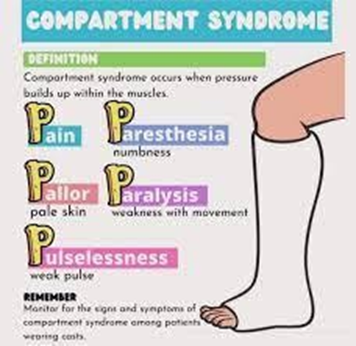
In caring for a client with a fracture of the femur, the nurse should be alert for compartment syndrome. What symptom is characteristic of this complication?
A. Tachycardia and petechiae over the chest wall and buccal membranes.
Tachycardia and petechiae over the chest wall and buccal membranes are signs of fat embolism syndrome, another complication of fractures that occurs when fat globules enter the bloodstream and obstruct pulmonary vessels.
B. Positive Homan's sign with calf tenderness and warmth.
Positive Homan's sign with calf tenderness and warmth are signs of deep vein thrombosis, a condition that can occur after prolonged immobilization or surgery.
C. acute cough, calm, and decreased blood pressure.
Acute cough, cyanosis, and decreased blood pressure are signs of pulmonary embolism, a life-threatening condition that occurs when a blood clot travels to the lungs and blocks blood flow.
D. Bulging, Tingling or burning sensation, numbness
These are signs of compartment syndrome, which is a serious complication of fractures that occurs when increased pressure within a closed space compromises blood flow and tissue perfusion. Compartment syndrome can lead to ischemia, necrosis, and nerve damage if not treated promptly.
Full Explanation
Choice A rationale: Tachycardia and petechiae over the chest wall and buccal membranes are signs of fat embolism syndrome, another complication of fractures that occurs when fat globules enter the bloodstream and obstruct pulmonary vessels.
Choice B rationale: Positive Homan's sign with calf tenderness and warmth are signs of deep vein thrombosis, a condition that can occur after prolonged immobilization or surgery.
Choice C rationale: Acute cough, cyanosis, and decreased blood pressure are signs of pulmonary embolism, a life-threatening condition that occurs when a blood clot travels to the lungs and blocks blood flow.
Choice D rationale: These are signs of compartment syndrome, which is a serious complication of fractures that occurs when increased pressure within a closed space compromises blood flow and tissue perfusion. Compartment syndrome can lead to ischemia, necrosis, and nerve damage if not treated promptly.