
Nursing practice questions with comprehensive rationales
NurseDive Free Nursing Practice Question
The nurse is conducting an annual examination on a young female who reports her last menses was 2 months ago.
Although the client insists she is not pregnant due to a negative home pregnancy test, which assessment should the nurse prioritize to assess for a possible pregnancy?
A. A positive urine hCG.
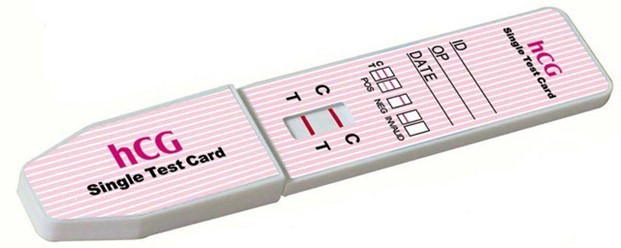
A positive urine hCG test is a priority assessment to assess for a possible pregnancy. The human chorionic gonadotropin (hCG) hormone is produced by the placenta after implantation and can be detected in the urine of pregnant women. A urine hCG test is a common method used to confirm pregnancy.
B. Uterine size and shape changes.
Choice B is not an answer because changes in uterine size and shape occur later in pregnancy and are not a priority assessment for early pregnancy detection.
C. A fetal heartbeat.
Choice C is not an answer because a fetal heartbeat can usually be detected at around 6-7 weeks of pregnancy and is not a priority assessment for early pregnancy detection.
D. Chadwick's sign.
Choice D is not an answer because Chadwick’s sign, which refers to the bluish discoloration of the cervix, vagina, and vulva due to increased blood flow, occurs later in pregnancy and is not a priority assessment for early pregnancy detection.
This question is an excerpt from Nurse Dive's nursing test bank - ATI Custom- Wn23 NS122 Proctored Exam. Take the full exam now
Full Explanation
A positive urine hCG test is a priority assessment to assess for a possible pregnancy.
The human chorionic gonadotropin (hCG) hormone is produced by the placenta after implantation and can be detected in the urine of pregnant women.
A urine hCG test is a common method used to confirm pregnancy.
Choice B is not an answer because changes in uterine size and shape occur later in pregnancy and are not a priority assessment for early pregnancy detection.
Choice C is not an answer because a fetal heartbeat can usually be detected at around 6-7 weeks of pregnancy and is not a priority assessment for early pregnancy detection.
Choice D is not an answer because Chadwick’s sign, which refers to the bluish discoloration of the cervix, vagina, and vulva due to increased blood flow, occurs later in pregnancy and is not a priority assessment for early pregnancy detection.
Similar Questions
Which of the following danger signs of pregnancy should the nurse teach a patient to report promptly?
A. Nasal congestion.
Choice A is not an answer because nasal congestion is a common symptom during pregnancy and is not considered a danger sign.
B. Edema of face and hands.
The nurse should teach the patient to report promptly any edema of the face and hands. Edema of the face and hands can be a sign of preeclampsia, a serious pregnancy complication that can lead to high blood pressure and damage to organs such as the liver and kidneys. Preeclampsia can be dangerous for both the mother and the baby and requires prompt medical attention.
C. Hemorrhoids.
Choice C is not an answer because hemorrhoids are also a common symptom during pregnancy and are not considered a danger sign.
D. Varicose veins.
Choice D is not an answer because varicose veins are also a common symptom during pregnancy and are not considered a danger sign.
Full Explanation
The nurse should teach the patient to report promptly any edema of the face and hands.
Edema of the face and hands can be a sign of preeclampsia, a serious pregnancy complication that can lead to high blood pressure and damage to organs such as the liver and kidneys.
Preeclampsia can be dangerous for both the mother and the baby and requires prompt medical attention.
Choice A is not an answer because nasal congestion is a common symptom during pregnancy and is not considered a danger sign.
Choice C is not an answer because hemorrhoids are also a common symptom during pregnancy and are not considered a danger sign.
Choice D is not an answer because varicose veins are also a common symptom during pregnancy and are not considered a danger sign.
A nurse is collecting data from a 10-month-old infant.
Which of the following findings should the nurse report to the provider?
A. The infant does not sit steadily without support.
At 10 months old, infants are typically able to sit steadily without support. This is a developmental milestone that should be reported to the provider if not met.
B. The infant will not play peek-a-boo.
Choice B is not an answer because playing peek-a-boo is not a typical milestone for a 10-month-old infant.
C. The infant cannot turn the pages in a book.
Choice C is not an answer because turning pages in a book is not a typical milestone for a 10-month-old infant.
D. The infant is unable to recognize objects by name.
Choice D is not an answer because recognizing objects by name is not a typical milestone for a 10-month-old infant.
Full Explanation
At 10 months old, infants are typically able to sit steadily without support.
This is a developmental milestone that should be reported to the provider if not met.

Choice B is not an answer because playing peek-a-boo is not a typical milestone for a 10-month-old infant.
Choice C is not an answer because turning pages in a book is not a typical milestone for a 10-month-old infant.
Choice D is not an answer because recognizing objects by name is not a typical milestone for a 10-month-old infant.
The nurse is collecting data on an 18-month-old child with a diagnosis of autism spectrum disorder (ASD).
What clinical manifestation would likely have been noted in the child with this diagnosis?
A. The child does not make eye contact.
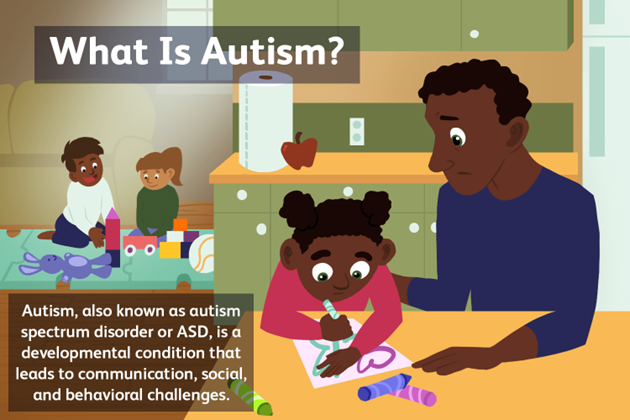
One of the common symptoms of autism spectrum disorder (ASD) is difficulty with social communication and interaction, which can include avoiding or not keeping eye contact.
B. The child sits quietly in the caregiver's lap during the interview.
Choice B is not an answer because sitting quietly in the caregiver’s lap during the interview is not a typical symptom of ASD.
C. The child smiles when the caregiver shows her a stuffed animal.
Choice C is not an answer because smiling when shown a stuffed animal is not a typical symptom of ASD.
D. The child cries and runs to the door when the caregiver leaves the room.
Choice D is not an answer because crying and running to the door when the caregiver leaves the room is not typical symptom of ASD.
Full Explanation
One of the common symptoms of autism spectrum disorder (ASD) is difficulty with social communication and interaction, which can include avoiding or not keeping eye contact.
Choice B is not an answer because sitting quietly in the caregiver’s lap during the interview is not a typical symptom of ASD.
Choice C is not an answer because smiling when shown a stuffed animal is not a typical symptom of ASD.
Choice D is not an answer because crying and running to the door when the caregiver leaves the room is not typical symptom of ASD.