
Nursing practice questions with comprehensive rationales
NurseDive Free Nursing Practice Question
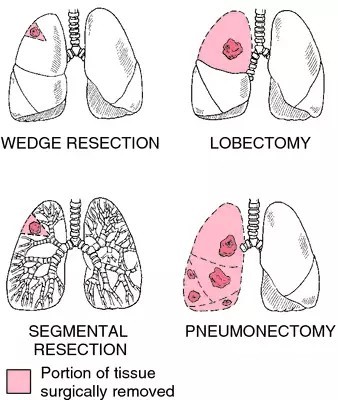
The nurse is providing discharge teaching to a client who underwent a pneumonectomy. The client wants to resume social activities with family. How should the nurse respond?
A. Encourage family gatherings to reduce feelings of isolation.
Following a pneumonectomy, it is important for the client to gradually resume normal activities and engage in social interactions. Encouraging family gatherings can provide emotional support, facilitate social connections, and help reduce feelings of isolation that the client may be experiencing. While it is generally important for clients who have undergone a pneumonectomy to take precautions to reduce the risk of respiratory infections, such as avoiding crowded places and individuals with respiratory infections, completely avoiding social contact for several weeks is not necessary or realistic in most cases. It is essential to find a balance between protecting the client's health and promoting their emotional well-being and social integration.
B. Explain the need to avoid persons with respiratory infections.
C. Reinforce the need to avoid social contact for several weeks.
D. Recommend the use of a face mask during family events.
Wearing a face mask during family events may not be necessary unless there is a specific concern about respiratory infections. The nurse can educate the client about the importance of good hand hygiene and avoiding close contact with individuals who are actively ill with respiratory infections.
This question is an excerpt from Nurse Dive's nursing test bank - RN Hesi Exit Proctored Exam. Take the full exam now
Full Explanation
Following a pneumonectomy, it is important for the client to gradually resume normal activities and engage in social interactions. Encouraging family gatherings can provide emotional support, facilitate social connections, and help reduce feelings of isolation that the client may be experiencing.
While it is generally important for clients who have undergone a pneumonectomy to take precautions to reduce the risk of respiratory infections, such as avoiding crowded places and individuals with respiratory infections, completely avoiding social contact for several weeks is not necessary or realistic in most cases. It is essential to find a balance between protecting the client's health and promoting their emotional well-being and social integration.
Wearing a face mask during family events may not be necessary unless there is a specific concern about respiratory infections. The nurse can educate the client about the importance of good hand hygiene and avoiding close contact with individuals who are actively ill with respiratory infections.
Similar Questions
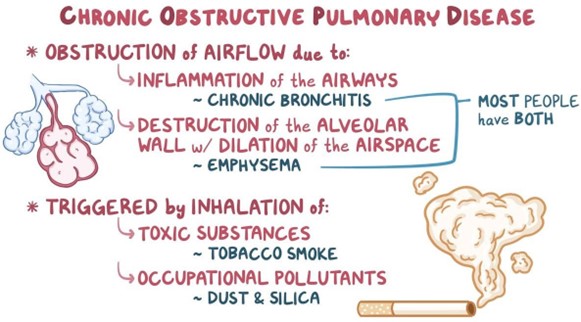
The nurse is caring for a client admitted with an acute exacerbation of chronic obstructive pulmonary disease (COPD) who reports a pounding headache. Which action should the nurse take?
A. Elevate head of bed no higher than 30 degrees.
Elevating the head of the bed no higher than 30 degrees is a general measure used to improve respiratory function in clients with COPD. However, in this specific situation, it may not directly address the pounding headache. Elevating the head of the bed can help reduce dyspnea and improve oxygenation, but it may not alleviate the headache caused by hypercapnia.
B. Affirm blood glucose is below 160 mg/dL (8.88 mmol/L)
Affirming blood glucose levels are below 160 mg/dL (8.88 mmol/L) is not the primary concern in this case. While high blood glucose levels can have various effects on the body, including headaches, the priority is to assess the client's blood pressure due to the specific context of a COPD exacerbation.
C. Check for a stat intravenous diuretic prescription.
Checking for a stat intravenous diuretic prescription is not necessary in response to the client's headache. Diuretics are typically used to remove excess fluid from the body and may not directly address the underlying cause of the headache in this situation.
D. Obtain a manual blood pressure measurement.
A pounding headache in a client with COPD may be a symptom of increased carbon dioxide (CO2) levels in the blood, known as hypercapnia. Hypercapnia can lead to vasodilation, resulting in headaches. In this situation, it is crucial to assess the client's blood pressure to determine if it is elevated, as this could be contributing to the headache. Obtaining a manual blood pressure measurement allows for a more accurate assessment of the client's blood pressure compared to automated measurements. It is important to assess both systolic and diastolic blood pressures, as elevated blood pressure can worsen headaches and have other negative effects on the client's health.
Full Explanation
A pounding headache in a client with COPD may be a symptom of increased carbon dioxide (CO2) levels in the blood, known as hypercapnia. Hypercapnia can lead to vasodilation, resulting in headaches. In this situation, it is crucial to assess the client's blood pressure to determine if it is elevated, as this could be contributing to the headache.
Obtaining a manual blood pressure measurement allows for a more accurate assessment of the client's blood pressure compared to automated measurements. It is important to assess both systolic and diastolic blood pressures, as elevated blood pressure can worsen headaches and have other negative effects on the client's health.
Elevating the head of the bed no higher than 30 degrees is a general measure used to improve respiratory function in clients with COPD. However, in this specific situation, it may not directly address the pounding headache. Elevating the head of the bed can help reduce dyspnea and improve oxygenation, but it may not alleviate the headache caused by hypercapnia.
Affirming blood glucose levels are below 160 mg/dL (8.88 mmol/L) is not the primary concern in this case. While high blood glucose levels can have various effects on the body, including headaches, the priority is to assess the client's blood pressure due to the specific context of a COPD exacerbation.
Checking for a stat intravenous diuretic prescription is not necessary in response to the client's headache. Diuretics are typically used to remove excess fluid from the body and may not directly address the underlying cause of the headache in this situation.
An older client comes to the clinic with a family member. When the nurse attempts to take the client's health history, the client does not respond to questions in a clear manner. Which action should the nurse implement first?
A. Provide a printed health care assessment form.
B. Defer the health history until the client is less anxious.
C. Ask the family member to answer the questions.
Asking the family member to answer the questions should be considered if the client is unable to provide accurate information or is cognitively impaired. However, it is important to first address any environmental factors and attempt to engage the client directly in the assessment process.
D. Assess the surroundings for noise and distractions.
The ability to effectively communicate and provide accurate information can be impacted by external factors such as noise, distractions, or an unfamiliar environment. By assessing the surroundings, the nurse can identify and address any potential barriers to communication. Once the nurse has addressed any environmental factors that may be hindering communication, they can proceed with other strategies to facilitate the health history assessment. This may include providing a printed healthcare assessment form to assist the client in organizing their thoughts or deferring the assessment until the client is less anxious.
Full Explanation
The ability to effectively communicate and provide accurate information can be impacted by external factors such as noise, distractions, or an unfamiliar environment. By assessing the surroundings, the nurse can identify and address any potential barriers to communication.
Once the nurse has addressed any environmental factors that may be hindering communication, they can proceed with other strategies to facilitate the health history assessment. This may include providing a printed healthcare assessment form to assist the client in organizing their thoughts or deferring the assessment until the client is less anxious.
Asking the family member to answer the questions should be considered if the client is unable to provide accurate information or is cognitively impaired. However, it is important to first address any environmental factors and attempt to engage the client directly in the assessment process.
The nurse notices that a male client is particularly delusional one afternoon. He begins to pace the floor and appears to be losing control of himself. Which intervention is best for the nurse to implement?
A. Use firmness and direct the client to sit for awhile.
Using firmness and directing the client to sit for a while may escalate the situation and increase the client's distress. It is important to approach the client with empathy and provide a supportive environment rather than exerting control through firmness.
B. Suggest to the client that he take a walk.
Suggesting the client take a walk or encouraging the client to use a punching bag may not be appropriate if the client is already displaying signs of agitation and losing control. These interventions may not address the underlying causes of the delusions and could potentially worsen the situation.
C. Move the client to a quiet place on the unit.
Delusions and loss of control can be distressing for the client and potentially disruptive to the unit environment. Moving the client to a quiet place helps create a calm and less stimulating environment, which can help reduce agitation and promote a sense of safety and security.
D. Encourage the client to use the punching bag
Suggesting the client take a walk or encouraging the client to use a punching bag may not be appropriate if the client is already displaying signs of agitation and losing control. These interventions may not address the underlying causes of the delusions and could potentially worsen the situation.
Full Explanation
Delusions and loss of control can be distressing for the client and potentially disruptive to the unit environment. Moving the client to a quiet place helps create a calm and less stimulating environment, which can help reduce agitation and promote a sense of safety and security.
Using firmness and directing the client to sit for a while may escalate the situation and increase the client's distress. It is important to approach the client with empathy and provide a supportive environment rather than exerting control through firmness.
Suggesting the client take a walk or encouraging the client to use a punching bag may not be appropriate if the client is already displaying signs of agitation and losing control. These interventions may not address the underlying causes of the delusions and could potentially worsen the situation.