Nursing practice questions with comprehensive rationales
NurseDive Free Nursing Practice Question
A. Center attention on positive upbeat music.
A: Centering attention on positive upbeat music is not a specific instruction for the nurse to include, as this is a general coping strategy that may or may not be helpful for this client. This is a distractor choice.
B. Find outlets for more social interaction.
B: Finding outlets for more social interaction is not a relevant instruction for the nurse to include, as this may not address the underlying causes of anxiety or stress for this client. This is another distractor choice.
C. Practice using muscle relaxation techniques.
C: Practicing using muscle relaxation techniques is an appropriate instruction for the nurse to include, as this can help reduce physical tension and promote calmness and relaxation for this client. Therefore, this is the correct choice.
D. Think about reasons the episodes occur.
D: Thinking about reasons the episodes occur is not a helpful instruction for the nurse to include, as this can increase rumination and anxiety for this client. This is another distractor choice.
This question is an excerpt from Nurse Dive's nursing test bank - HESI Exit II Proctored Exam. Take the full exam now
Full Explanation
Choice A: Centering attention on positive upbeat music is not a specific instruction for the nurse to include, as this is a general coping strategy that may or may not be helpful for this client. This is a distractor choice.
Choice B: Finding outlets for more social interaction is not a relevant instruction for the nurse to include, as this may not address the underlying causes of anxiety or stress for this client. This is another distractor choice.
Choice C: Practicing using muscle relaxation techniques is an appropriate instruction for the nurse to include, as this can help reduce physical tension and promote calmness and relaxation for this client. Therefore, this is the correct choice.
Choice D: Thinking about reasons the episodes occur is not a helpful instruction for the nurse to include, as this can increase rumination and anxiety for this client. This is another distractor choice.
Similar Questions
A client with influenza needs help in transferring to the bedside commode. The nurse observes the unlicensed assistive personnel (UAP) donning gloves and a gown to assist the client. Which action should the nurse take?
A. Review the need for the UAP to wear a face mask while in close contact with the client.
Choice A reason: Review the need for the UAP to wear a face mask while in close contact with the client. Influenza is a respiratory virus that spreads mainly by droplets made when people with flu cough, sneeze or talk. A face mask can help block the spread of these droplets.
B. Remind the UAP to apply a fitted respirator mask before entering the client’s room.
Choice B reason: Reminding the UAP to apply a fitted respirator mask before entering the client’s room is not necessary for standard influenza precautions. Respirator masks are more commonly used for airborne precautions, such as tuberculosis or measles, not for influenza.
C. Assign the UAP to provide care for another client and assume full care of the client.
Choice C reason: Assigning the UAP to provide care for another client and assuming full care of the client is not indicated unless the UAP is not following proper infection control procedures. There is no evidence of that in the scenario provided.
D. Instruct the UAP to notify the nurse of any changes in the client’s respiratory status.
Choice D reason: Instructing the UAP to notify the nurse of any changes in the client’s respiratory status is important, but it is not the immediate action related to infection control. The priority is to prevent the spread of infection.
Full Explanation
The correct answer is A:
Choice A reason: Review the need for the UAP to wear a face mask while in close contact with the client. Influenza is a respiratory virus that spreads mainly by droplets made when people with flu cough, sneeze or talk. A face mask can help block the spread of these droplets.
Choice B reason: Reminding the UAP to apply a fitted respirator mask before entering the client’s room is not necessary for standard influenza precautions. Respirator masks are more commonly used for airborne precautions, such as tuberculosis or measles, not for influenza.
Choice C reason: Assigning the UAP to provide care for another client and assuming full care of the client is not indicated unless the UAP is not following proper infection control procedures. There is no evidence of that in the scenario provided.
Choice D reason: Instructing the UAP to notify the nurse of any changes in the client’s respiratory status is important, but it is not the immediate action related to infection control. The priority is to prevent the spread of infection.
A 6-week-old infant with pyloric stenosis is scheduled for a pyloromyotomy. Which pre-operative nursing action has highest priority?
A. Mark an outline of the “olive-shaped” mass in the right epigastric area.
A is incorrect because marking an outline of the “olive-shaped” mass in the right epigastric area is not a priority action for an infant with pyloric stenosis who is scheduled for a pyloromyotomy. The “olive-shaped” mass is a palpable sign of pyloric stenosis, but it does not require any intervention before surgery.
B. Initiate a continuous infusion of IV fluids per prescription.
B is correct because initiating a continuous infusion of IV fluids per prescription has highest priority for an infant with pyloric stenosis who is scheduled for a pyloromyotomy. Pyloric stenosis causes projectile vomiting and dehydration, which can lead to metabolic alkalosis and electrolyte imbalance. The infant needs IV fluids to correct these abnormalities and prevent complications.
C. Monitor amount of intake and infant's response to feedings.
C is incorrect because monitoring amount of intake and infant's response to feedings is not a priority action for an infant with pyloric stenosis who is scheduled for a pyloromyotomy. The infant may have difficulty feeding due to vomiting and gastric distension, which can worsen their dehydration and malnutrition. The infant may need to be kept NPO (nothing by mouth) before surgery.
D. Instruct parents regarding care of the incisional area.
D is incorrect because instructing parents regarding care of the incisional area is not a priority action for an infant with pyloric stenosis who is scheduled for a pyloromyotomy. The incisional area will need proper care after surgery, but this can be taught later when the infant is stable and ready for discharge.
Full Explanation
Choice B is correct because initiating a continuous infusion of IV fluids per prescription has highest priority for an infant with pyloric stenosis who is scheduled for a pyloromyotomy. Pyloric stenosis causes projectile vomiting and dehydration, which can lead to metabolic alkalosis and electrolyte imbalance. The infant needs IV fluids to correct these abnormalities and prevent complications.
Choice A is incorrect because marking an outline of the “olive-shaped” mass in the right epigastric area is not a priority action for an infant with pyloric stenosis who is scheduled for a pyloromyotomy. The “olive-shaped” mass is a palpable sign of pyloric stenosis, but it does not require any intervention before surgery.
Choice C is incorrect because monitoring amount of intake and infant's response to feedings is not a priority action for an infant with pyloric stenosis who is scheduled for a pyloromyotomy. The infant may have difficulty feeding due to vomiting and gastric distension, which can worsen their dehydration and malnutrition. The infant may need to be kept NPO (nothing by mouth) before surgery.
Choice D is incorrect because instructing parents regarding care of the incisional area is not a priority action for an infant with pyloric stenosis who is scheduled for a pyloromyotomy. The incisional area will need proper care after surgery, but this can be taught later when the infant is stable and ready for discharge.
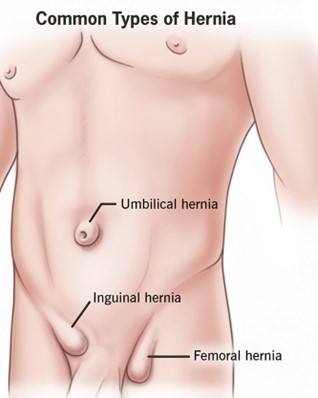
A mother brings her 4-month-old son to the clinic with a quarter taped over his umbilicus and tells the nurse the quarter is supposed to fix her child's hernia. Which explanation should the nurse provide?
A. This hernia is a normal variation that resolves without treatment.
A: This hernia is a normal variation that resolves without treatment is a correct explanation for the nurse to provide, as this refers to an umbilical hernia, which is a common and harmless condition in infants that usually disappears by age 2. Therefore, this is the correct choice.
B. An abdominal binder can be worn daily to reduce the protrusion.
B: An abdominal binder can be worn daily to reduce the protrusion is not an appropriate explanation for the nurse to provide, as this is not an effective or recommended method to treat a hernia. This is a distractor choice.
C. Restrictive clothing will be adequate to help the hernia go away.
C: Restrictive clothing will be adequate to help the hernia go away is not a relevant explanation for the nurse to provide, as this does not affect the hernia or its resolution. This is another distractor choice.
D. The quarter should be secured with an elastic bandage wrap.
D: The quarter should be secured with an elastic bandage wrap is not a sensible explanation for the nurse to provide, as this is a folk remedy that has no scientific basis and can cause skin irritation and infection. This is another distractor choice.
Full Explanation
Choice A: This hernia is a normal variation that resolves without treatment is a correct explanation for the nurse to provide, as this refers to an umbilical hernia, which is a common and harmless condition in infants that usually disappears by age 2. Therefore, this is the correct choice.
Choice B: An abdominal binder can be worn daily to reduce the protrusion is not an appropriate explanation for the nurse to provide, as this is not an effective or recommended method to treat a hernia. This is a distractor choice.
Choice C: Restrictive clothing will be adequate to help the hernia go away is not a relevant explanation for the nurse to provide, as this does not affect the hernia or its resolution. This is another distractor choice.
Choice D: The quarter should be secured with an elastic bandage wrap is not a sensible explanation for the nurse to provide, as this is a folk remedy that has no scientific basis and can cause skin irritation and infection. This is another distractor choice.