
Nursing practice questions with comprehensive rationales
NurseDive Free Nursing Practice Question
The nurse is providing instructions about a client's new medications. How should the nurse explain the purpose of probenecid, a uricosuric drug?
A. Prevents the formation of kidney stones.
Probenecid does not prevent kidney stones. Its primary function is to increase the excretion of uric acid in the urine.
B. Increases the strength of the urine stream.
Probenecid does not affect the strength of the urine stream. Its action is specific to uric acid excretion.
C. Decreases pain and burning during urination
Probenecid is not used to alleviate pain and burning during urination. Its main indication is for gout and hyperuricemia.
D. Promotes excretion of uric acid in the urine.
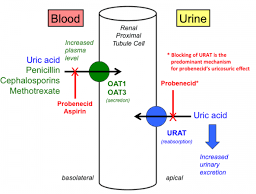
Probenecid is a uricosuric drug used to treat gout and hyperuricemia. It works by inhibiting the reabsorption of uric acid in the kidneys, which promotes its excretion in the urine. By increasing uric acid excretion, probenecid helps to reduce the concentration of uric acid in the blood and prevent gout attacks.
This question is an excerpt from Nurse Dive's nursing test bank - Hesi Pharmacology Proctored Exam 2. Take the full exam now
Full Explanation
Choice A rationale: Probenecid does not prevent kidney stones. Its primary function is to increase the excretion of uric acid in the urine.
Choice B rationale: Probenecid does not affect the strength of the urine stream. Its action is specific to uric acid excretion.
Choice C rationale: Probenecid is not used to alleviate pain and burning during urination. Its main indication is for gout and hyperuricemia.
Choice D rationale: Probenecid is a uricosuric drug used to treat gout and hyperuricemia. It works by inhibiting the reabsorption of uric acid in the kidneys, which promotes its excretion in the urine. By increasing uric acid excretion, probenecid helps to reduce the concentration of uric acid in the blood and prevent gout attacks.
Similar Questions
A client receives a new prescription for levothyroxine. Which statement made by client indicates to the nurse the education was effective?
A. Consume foods that are high in iodine.
While iodine is essential for thyroid hormone synthesis, it is not relevant to the administration of levothyroxine. The client does not need to consume foods high in iodine specifically for taking levothyroxine.
B. Avoid the use of iron supplements.
While iron supplements can interfere with the absorption of levothyroxine, this statement does not indicate that the client understands when to take levothyroxine correctly.
C. Administer levothyroxine at bed time.
Levothyroxine should be taken in the morning, not at bedtime, to avoid interference with sleep and to optimize absorption.
D. Take medication on an empty stomach.
Levothyroxine, a thyroid hormone replacement, should be taken on an empty stomach, preferably in the morning, at least 30 minutes before eating. Taking it on an empty stomach maximizes its absorption and ensures optimal therapeutic effects.
Full Explanation
The correct answer is D.
Choice A rationale: While iodine is essential for thyroid hormone synthesis, it is not relevant to the administration of levothyroxine. The client does not need to consume foods high in iodine specifically for taking levothyroxine.
Choice B rationale: While iron supplements can interfere with the absorption of levothyroxine, this statement does not indicate that the client understands when to take levothyroxine correctly.
Choice C rationale: Levothyroxine should be taken in the morning, not at bedtime, to avoid interference with sleep and to optimize absorption.
Choice D rationale: Levothyroxine, a thyroid hormone replacement, should be taken on an empty stomach, preferably in the morning, at least 30 minutes before eating. Taking it on an empty stomach maximizes its absorption and ensures optimal therapeutic effects.
The nurse prepares to administer a scheduled dose of labetalol by mouth to a client with hypertension. The client's vital signs are temperature 99° F (37.2° C), heart rate 48 beats/minute, respirations 16 breaths/minute, and blood pressure (B/P) 150/90 mm Hg. Which action should the nurse take?
A. Administer the dose and monitor the client's BP regularly.
Administering the dose of labetalol without further assessment may not be appropriate in this situation. The client's heart rate is 48 beats/minute, which is considered bradycardia (heart rate below the normal range of 60-100 beats/minute). Bradycardia can be a potential adverse effect of labetalol, a beta-blocker. Moreover, the client's blood pressure is elevated at 150/90 mm Hg, indicating that the hypertension is not well controlled. Administering the dose without addressing the bradycardia or elevated blood pressure could potentially exacerbate these issues.
B. Withhold the scheduled dose and notify the healthcare provider.
Withholding the scheduled dose of labetalol is the most appropriate action in this scenario. The client's heart rate of 48 beats/minute is considered bradycardia, which may be a side effect of labetalol or indicative of an underlying issue. Additionally, the client's blood pressure is elevated, indicating inadequate control of hypertension. Bradycardia can reduce cardiac output and may lead to further complications. Notifying the healthcare provider is essential to obtain further instructions and address the client's bradycardia and hypertension before administering the medication.
C. Apply a telemetry monitor before administering the dose.
While telemetry monitoring is appropriate for clients with certain cardiac conditions or when changes in heart rate need close observation, it may not be the most urgent action in this situation. The client's bradycardia and elevated blood pressure are concerning and require immediate attention. Telemetry monitoring may be considered later, but it does not address the immediate need to withhold the medication and seek guidance from the healthcare provider.
D. Assess for orthostatic hypotension before administering the dose.
Orthostatic hypotension refers to a drop in blood pressure when changing positions, such as from lying down to standing up. While orthostatic hypotension is a valid concern for clients taking antihypertensive medications, it is not the primary issue in this scenario. The client's heart rate is 48 beats/minute, indicating bradycardia, and the blood pressure is elevated at 150/90 mm Hg, suggesting uncontrolled hypertension. These are the main concerns that require immediate attention and further assessment before administering the labetalol dose.
Full Explanation
Choice A rationale: Administering the dose of labetalol without further assessment may not be appropriate in this situation. The client's heart rate is 48 beats/minute, which is considered bradycardia (heart rate below the normal range of 60-100 beats/minute). Bradycardia can be a potential adverse effect of labetalol, a beta-blocker. Moreover, the client's blood pressure is elevated at 150/90 mm Hg, indicating that the hypertension is not well controlled. Administering the dose without addressing the bradycardia or elevated blood pressure could potentially exacerbate these issues.
Choice B rationale: Withholding the scheduled dose of labetalol is the most appropriate action in this scenario. The client's heart rate of 48 beats/minute is considered bradycardia, which may be a side effect of labetalol or indicative of an underlying issue. Additionally, the client's blood
pressure is elevated, indicating inadequate control of hypertension. Bradycardia can reduce cardiac output and may lead to further complications. Notifying the healthcare provider is essential to obtain further instructions and address the client's bradycardia and hypertension before administering the medication.
Choice C rationale: While telemetry monitoring is appropriate for clients with certain cardiac conditions or when changes in heart rate need close observation, it may not be the most urgent action in this situation. The client's bradycardia and elevated blood pressure are concerning and require immediate attention. Telemetry monitoring may be considered later, but it does not address the immediate need to withhold the medication and seek guidance from the healthcare provider.
Choice D rationale: Orthostatic hypotension refers to a drop in blood pressure when changing positions, such as from lying down to standing up. While orthostatic hypotension is a valid concern for clients taking antihypertensive medications, it is not the primary issue in this scenario. The client's heart rate is 48 beats/minute, indicating bradycardia and the blood pressure is elevated at 150/90 mm Hg, suggesting uncontrolled hypertension. These are the main concerns that require immediate attention and further assessment before administering the labetalol dose.
While assessing a client who takes acetaminophen for chronic pain, the nurse observes that the client's skin looks yellow in color. Which action should the nurse take in response to this finding?
A. Check the client's capillary glucose level.
Checking the capillary glucose level is not relevant to the observation of yellow skin color. Jaundice is related to liver function, not glucose levels.
B. Use a pulse oximeter to assess oxygen saturation.
Oxygen saturation measurement is not relevant to the observation of yellow skin color. It is used to assess the oxygen-carrying capacity of the blood, not liver function.
C. Report the finding to the healthcare provider.
Yellow discoloration of the skin (jaundice) can be indicative of liver dysfunction or damage. Since the client takes acetaminophen for chronic pain, which is metabolized in the liver, the nurse should be concerned about potential hepatotoxicity. Reporting the findings to the healthcare provider is essential for further evaluation and management.
D. Advise the client to reduce the medication dose.
Reducing the medication dose is not appropriate without further evaluation and guidance from the healthcare provider. Jaundice may indicate liver dysfunction, and altering the medication without professional assessment could be unsafe.
Full Explanation
Choice A rationale: Checking the capillary glucose level is not relevant to the observation of yellow skin color. Jaundice is related to liver function, not glucose levels.
Choice B rationale: Oxygen saturation measurement is not relevant to the observation of yellow skin color. It is used to assess the oxygen-carrying capacity of the blood, not liver function.
Choice C rationale: Yellow discoloration of the skin (jaundice) can be indicative of liver dysfunction or damage. Since the client takes acetaminophen for chronic pain, which is metabolized in the liver, the nurse should be concerned about potential hepatotoxicity. Reporting the findings to the healthcare provider is essential for further evaluation and management.
Choice D rationale: Reducing the medication dose is not appropriate without further evaluation and guidance from the healthcare provider. Jaundice may indicate liver dysfunction, and altering the medication without professional assessment could be unsafe.