Nursing practice questions with comprehensive rationales
NurseDive Free Nursing Practice Question
The nurse is reviewing the medication record of a patient with asthma and notes the patient is taking inhaled fluticasone (Flovent). The nurse know that inhaled fluticasone (Flovent) is helpful in the treatment of asthma in what way?
A. Reduces inflammation in the airway.
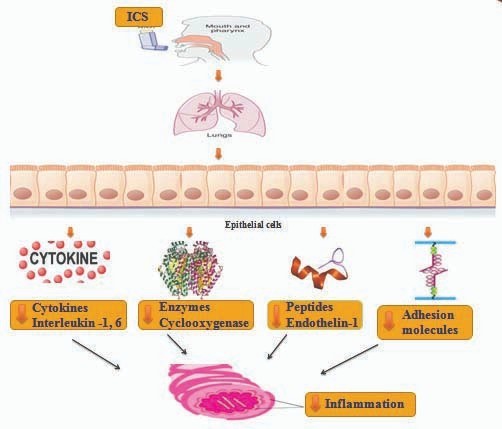
Inhaled fluticasone (Flovent) is a corticosteroid medication that is commonly used in the treatment of asthma. It works by reducing inflammation in the airway, which is a key component of asthma. By decreasing inflammation, it helps to prevent and control asthma symptoms, such as wheezing, coughing, and shortness of breath.
B. Relieves symptoms of an acute asthma attack
Relieves symptoms of an acute asthma attack: Inhaled fluticasone is not intended for immediate relief during an acute asthma attack. It is a long-term control medication used to manage and prevent asthma symptoms.
C. Causes an immediate bronchodilation,
Causes immediate bronchodilation: Fluticasone does not cause immediate bronchodilation, which refers to the widening of the airways to improve breathing. Bronchodilation is typically achieved with short-acting beta-agonist medications, such as albuterol.
D. Reduces the blood pressure and heart rate.
Reduces blood pressure and heart rate: Fluticasone is not known to have a direct effect on blood pressure or heart rate. Its primary action is to reduce inflammation in the airway for the management of asthma.
This question is an excerpt from Nurse Dive's nursing test bank - ATI NUR 229 Pharmacology Test #1 OEK Proctored Exam. Take the full exam now
Full Explanation
Inhaled fluticasone (Flovent) is a corticosteroid medication that is commonly used in the treatment of asthma. It works by reducing inflammation in the airway, which is a key component of asthma. By decreasing inflammation, it helps to prevent and control asthma symptoms, such as wheezing, coughing, and shortness of breath.
The other options mentioned are incorrect:
B. Relieves symptoms of an acute asthma attack: Inhaled fluticasone is not intended for immediate relief during an acute asthma attack. It is a long-term control medication used to manage and prevent asthma symptoms.
C. Causes immediate bronchodilation: Fluticasone does not cause immediate bronchodilation, which refers to the widening of the airways to improve breathing. Bronchodilation is typically achieved with short-acting beta-agonist medications, such as albuterol.
D. Reduces blood pressure and heart rate: Fluticasone is not known to have a direct effect on blood pressure or heart rate. Its primary action is to reduce inflammation in the airway for the management of asthma.
Similar Questions
A nurse is teaching an adolescent about medication therapy with oral acetylcysteine. Which of the following information should the nurse include in the teaching?
A. It is necessary to monitor your serum electrolyte levels.
It is necessary to monitor your serum electrolyte levels: Monitoring serum electrolyte levels is not typically required with oral acetylcysteine therapy. However, it is important to follow the healthcare provider's instructions regarding monitoring and follow-up appointments.
B. "You should avoid eating eggs.”
"You should avoid eating eggs": There is no specific dietary restriction or need to avoid eating eggs while taking oral acetylcysteine. However, it is always advisable to follow a balanced and healthy diet.
C. “Your mouth will become dry!"
"Your mouth will become dry!": Dry mouth is not a common side effect of oral acetylcysteine. Side effects may vary from person to person, but dry mouth is not typically associated with this medication.
D. This medication has a very unusual odor.
Acetylcysteine has a strong and distinct odor, often described as a sulfur-like smell. It is important for the adolescent to be aware of this characteristic odor so that they do not become alarmed or concerned when they encounter it.
Full Explanation
Acetylcysteine has a strong and distinct odor, often described as a sulfur-like smell. It is important for the adolescent to be aware of this characteristic odor so that they do not become alarmed or concerned when they encounter it.
The other options mentioned are incorrect:
A. It is necessary to monitor your serum electrolyte levels: Monitoring serum electrolyte levels is not typically required with oral acetylcysteine therapy. However, it is important to follow the healthcare provider's instructions regarding monitoring and follow-up appointments.
B. "You should avoid eating eggs": There is no specific dietary restriction or need to avoid eating eggs while taking oral acetylcysteine. However, it is always advisable to follow a balanced and healthy diet.
C. "Your mouth will become dry!": Dry mouth is not a common side effect of oral acetylcysteine. Side effects may vary from person to person, but dry mouth is not typically associated with this medication.
A nurse is providing discharge teaching to a client who has asthma and new prescriptions for beclomethasone and albuterol, both by inhaler. Which of the following statements by the client indicates an understanding of the teaching?
A. I will be sure to take the albuterol inhaler before taking the beclomethasone inhaler.
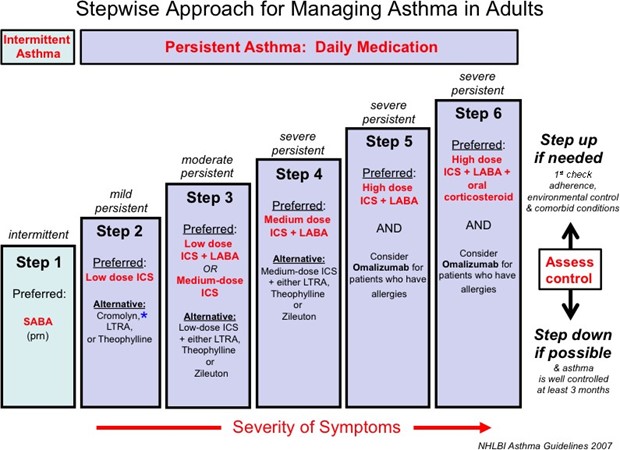
Albuterol is a bronchodilator that provides quick relief by relaxing the muscles around the airways, making it essential to use before a corticosteroid like beclomethasone, which reduces inflammation. Using albuterol first allows for better delivery of the beclomethasone to the airways.
B. I will use both medications immediately after exercising.
Albuterol may be used as a rescue inhaler before exercise to prevent exercise-induced bronchospasm, but beclomethasone is a maintenance medication and should not be used immediately after exercising unless prescribed.
C. "If my breathing begins to feel tight will use the beclomethasone inhaler immediately”
Beclomethasone is a long-term control medication, not a rescue inhaler. If breathing feels tight or there is an asthma attack, the client should use the albuterol inhaler for immediate relief.
D. I will administer the medications 10 minutes apart
While there is no strict rule about the timing between inhaler uses, the albuterol should be used first to open the airways, and while waiting a few minutes is acceptable, the emphasis should be on using albuterol before beclomethasone rather than a specific time frame.
Full Explanation
A. Albuterol is a bronchodilator that provides quick relief by relaxing the muscles around the airways, making it essential to use before a corticosteroid like beclomethasone, which reduces inflammation. Using albuterol first allows for better delivery of the beclomethasone to the airways.
B. I will use both medications immediately after exercising. Albuterol may be used as a rescue inhaler before exercise to prevent exercise-induced bronchospasm, but beclomethasone is a maintenance medication and should not be used immediately after exercising unless prescribed.
C. "If my breathing begins to feel tight, I will use the beclomethasone inhaler immediately.” Beclomethasone is a long-term control medication, not a rescue inhaler. If breathing feels tight or there is an asthma attack, the client should use the albuterol inhaler for immediate relief.
D. I will administer the medications 10 minutes apart. While there is no strict rule about the timing between inhaler uses, the albuterol should be used first to open the airways, and while waiting a few minutes is acceptable, the emphasis should be on using albuterol before beclomethasone rather than a specific time frame.
Acetylcysteine (Mucomyst) is a mucolytic that can also be used in the treatment of overdosage of which drug?
A. Ibuprofen
B. Diphenhydramine
C. Acetaminophen
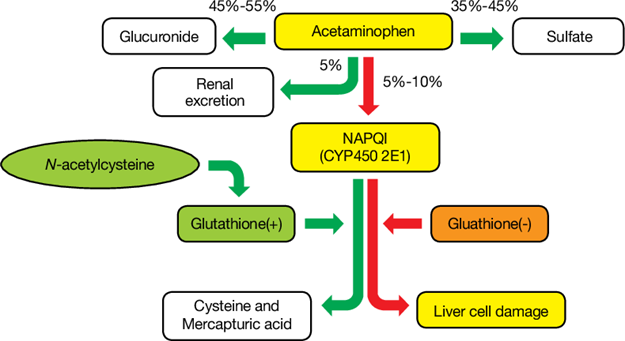
Acetaminophen overdose can cause liver damage, and acetylcysteine is used as an antidote to prevent or minimize the liver injury caused by acetaminophen toxicity. Acetylcysteine works by replenishing glutathione, a substance that helps neutralize the toxic byproducts of acetaminophen metabolism in the liver. It is important to note that acetylcysteine is specifically indicated for acetaminophen overdose and may not be effective or appropriate for overdosage of other drugs, such as ibuprofen, diphenhydramine, or amoxicillin.
D. Amoxicillin
Full Explanation
Acetaminophen overdose can cause liver damage, and acetylcysteine is used as an antidote to prevent or minimize the liver injury caused by acetaminophen toxicity. Acetylcysteine works by replenishing glutathione, a substance that helps neutralize the toxic byproducts of acetaminophen metabolism in the liver.
It is important to note that acetylcysteine is specifically indicated for acetaminophen overdose and may not be effective or appropriate for overdosage of other drugs, such as ibuprofen, diphenhydramine, or amoxicillin.