
Nursing practice questions with comprehensive rationales
NurseDive Free Nursing Practice Question
A. Determine the need for urinary catheterization
A: Determining the need for urinary catheterization is not a task that the nurse should assign to the PN, as this requires clinical judgment and critical thinking, which are beyond the scope of practice of the PN. This is a distractor choice.
B. Titrate oxygen to prescribed parameters.
B: Titrating oxygen to prescribed parameters is a task that the nurse can assign to the PN, as this involves following orders and protocols, which are within the scope of practice of the PN. Therefore, this is the correct choice.
C. Receive a postoperative client and conduct the assessment.
C: Receiving a postoperative client and conducting the assessment is not a task that the nurse should assign to the PN, as this requires initial assessment and data collection, which are the responsibility of the registered nurse. This is another distractor choice.
D. Evaluate and update plans of care for clients.
D: Evaluating and updating plans of care for clients is not a task that the nurse should assign to the PN, as this requires nursing diagnosis and outcome identification, which are part of the nursing process that only the registered nurse can perform. This is another distractor choice.
This question is an excerpt from Nurse Dive's nursing test bank - HESI Exit II Proctored Exam. Take the full exam now
Full Explanation
Choice A: Determining the need for urinary catheterization is not a task that the nurse should assign to the PN, as this requires clinical judgment and critical thinking, which are beyond the scope of practice of the PN. This is a distractor choice.
Choice B: Titrating oxygen to prescribed parameters is a task that the nurse can assign to the PN, as this involves following orders and protocols, which are within the scope of practice of the PN. Therefore, this is the correct choice.
Choice C: Receiving a postoperative client and conducting the assessment is not a task that the nurse should assign to the PN, as this requires initial assessment and data collection, which are the responsibility of the registered nurse. This is another distractor choice.
Choice D: Evaluating and updating plans of care for clients is not a task that the nurse should assign to the PN, as this requires nursing diagnosis and outcome identification, which are part of the nursing process that only the registered nurse can perform. This is another distractor choice.
Similar Questions
A male client reports to the on-call clinic nurse that he took tadalafil 10 mg by mouth two hours ago and his skin now feels flushed. He reports a history of stable angina, but denies experiencing any current or recent chest pain. Which action should the nurse take?
A. Advise the client to place one nitroglycerin tablet under his tongue as a precaution.
A: Advising the client to place one nitroglycerin tablet under his tongue as a precaution is a dangerous action for the nurse, as this can cause severe hypotension and cardiovascular collapse due to the interaction between tadalafil and nitroglycerin. This is a contraindicated choice.
B. Tell the client to have someone bring him to an emergency department immediately.
B: Telling the client to have someone bring him to an emergency department immediately is an unnecessary action for the nurse, as there is no evidence of any serious adverse reaction or complication from tadalafil. This is an overreaction choice.
C. Instruct the client to increase his intake of oral fluids until the skin flushing is relieved.
C: Instructing the client to increase his intake of oral fluids until the skin flushing is relieved is not an appropriate action for the nurse, as this does not address the cause of the flushing, which is vasodilation due to tadalafil. This is a distractor choice.
D. Reassure the client that skin flushing is a common side effect of the medication.
D: Reassuring the client that skin flushing is a common side effect of the medication is an appropriate action for the nurse, as this can calm the client and educate him about the expected effects of tadalafil. Therefore, this is the correct choice.
Full Explanation
Choice A: Advising the client to place one nitroglycerin tablet under his tongue as a precaution is a dangerous action for the nurse, as this can cause severe hypotension and cardiovascular collapse due to the interaction between tadalafil and nitroglycerin. This is a contraindicated choice.
Choice B: Telling the client to have someone bring him to an emergency department immediately is an unnecessary action for the nurse, as there is no evidence of any serious adverse reaction or complication from tadalafil. This is an overreaction choice.
Choice C: Instructing the client to increase his intake of oral fluids until the skin flushing is relieved is not an appropriate action for the nurse, as this does not address the cause of the flushing, which is vasodilation due to tadalafil. This is a distractor choice.
Choice D: Reassuring the client that skin flushing is a common side effect of the medication is an appropriate action for the nurse, as this can calm the client and educate him about the expected effects of tadalafil. Therefore, this is the correct choice.
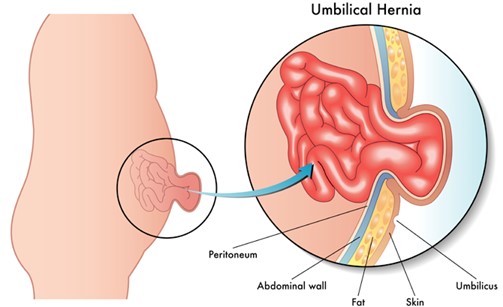
A mother brings her 4-month-old son to the clinic with a quarter taped over his umbilicus, and tells the nurse the quarter is supposed to fix her child's hernia. Which explanation should the nurse provide?
A. An abdominal binder can be worn daily to reduce the protrusion.
A: An abdominal binder can be worn daily to reduce the protrusion is not a correct explanation for the nurse to provide, as this is not an effective or recommended method to treat a hernia. This is a distractor choice.
B. This hernia is a normal variation that resolves without treatment.
B: This hernia is a normal variation that resolves without treatment is a correct explanation for the nurse to provide, as this refers to an umbilical hernia, which is a common and harmless condition in infants that usually disappears by age 2. Therefore, this is the correct choice.
C. The quarter should be secured with an elastic bandage wrap.
C: The quarter should be secured with an elastic bandage wrap is not a correct explanation for the nurse to provide, as this is a folk remedy that has no scientific basis and can cause skin irritation and infection. This is another distractor choice.
D. Restrictive clothing will be adequate to help the hernia go away.
D: Restrictive clothing will be adequate to help the hernia go away is not a correct explanation for the nurse to provide, as this is not a proven or safe way to treat a hernia. This is another distractor choice.
Full Explanation
Choice A: An abdominal binder can be worn daily to reduce the protrusion is not a correct explanation for the nurse to provide, as this is not an effective or recommended method to treat a hernia. This is a distractor choice.
Choice B: This hernia is a normal variation that resolves without treatment is a correct explanation for the nurse to provide, as this refers to an umbilical hernia, which is a common and harmless condition in infants that usually disappears by age 2. Therefore, this is the correct choice.
Choice C: The quarter should be secured with an elastic bandage wrap is not a correct explanation for the nurse to provide, as this is a folk remedy that has no scientific basis and can cause skin irritation and infection. This is another distractor choice.
Choice D: Restrictive clothing will be adequate to help the hernia go away is not a correct explanation for the nurse to provide, as this is not a proven or safe way to treat a hernia. This is another distractor choice.
The nurse is assigning care of a client with prostatitis to a practical nurse (PN). Which instruction should the nurse provide the PN regarding this client?
A. Strain all urine
A: Straining all urine is not a relevant instruction for the nurse to provide, as this is not related to prostatitis. This is a distractor choice.
B. Maintain contact isolation
B: Maintaining contact isolation is not a necessary instruction for the nurse to provide, as prostatitis is not a contagious condition. This is another distractor choice.
C. Avoid urinary catheterization
C: Avoiding urinary catheterization is an important instruction for the nurse to provide, as this can introduce bacteria into the urinary tract and worsen the infection. Therefore, this is the correct choice.
D. Restrict oral fluid intake
D: Restricting oral fluid intake is not an appropriate instruction for the nurse to provide, as this can lead to dehydration and reduced urine output, which can increase the risk of urinary stasis and infection. This is another distractor choice.
Full Explanation
Choice A: Straining all urine is not a relevant instruction for the nurse to provide, as this is not related to prostatitis. This is a distractor choice.
Choice B: Maintaining contact isolation is not a necessary instruction for the nurse to provide, as prostatitis is not a contagious condition. This is another distractor choice.
Choice C: Avoiding urinary catheterization is an important instruction for the nurse to provide, as this can introduce bacteria into the urinary tract and worsen the infection. Therefore, this is the correct choice.
Choice D: Restricting oral fluid intake is not an appropriate instruction for the nurse to provide, as this can lead to dehydration and reduced urine output, which can increase the risk of urinary stasis and infection. This is another distractor choice.