
Nursing practice questions with comprehensive rationales
NurseDive Free Nursing Practice Question
The nurse working in an ophthalmology clinic is preparing to assess a patient's near vision. Which piece of equipment would the nurse use for this assessment?
A. Ophthalmoscope
An ophthalmoscope is primarily used for examining the interior structures of the eye, such as the retina, and is not typically used for assessing near vision. It provides a view of the fundus of the eye, which is essential for diagnosing various eye conditions but does not directly assess a patient's reading or close-up vision.
B. Snellen Chart
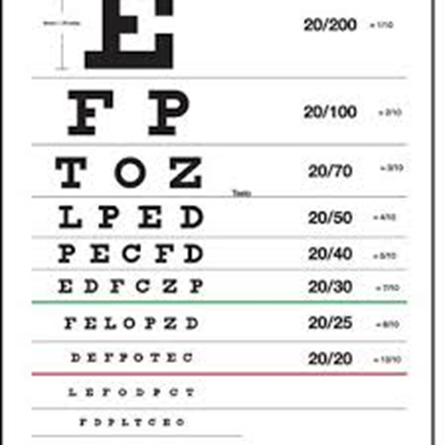
The Snellen Chart is traditionally used to measure distance visual acuity and would not be the first choice for assessing near vision. However, there are versions of the Snellen Chart or similar charts designed for near vision assessment, typically held at a reading distance of about 14 inches from the patient. These charts have rows of letters or symbols that decrease in size and are used to determine the smallest print size a person can read.
C. Magazine
A magazine can be a practical tool for assessing near vision informally, as it contains various sizes of print and is a good representation of everyday reading material. The nurse can ask the patient to read a specific paragraph to observe their ability to see and comprehend text at a close distance.
D. Penlight
A penlight is not used for assessing near vision. It is typically used to assess the pupillary light reflex or to illuminate specific areas of the eye during an examination. The penlight helps to evaluate the response of the pupils to light but does not measure the patient's ability to read or see objects up close.
This question is an excerpt from Nurse Dive's nursing test bank - Ati Fundamentals Assessment Proctored Exam Midterm. Take the full exam now
Full Explanation
Choice A Reason:
An ophthalmoscope is primarily used for examining the interior structures of the eye, such as the retina, and is not typically used for assessing near vision. It provides a view of the fundus of the eye, which is essential for diagnosing various eye conditions but does not directly assess a patient's reading or close-up vision.
Choice B Reason:
The Snellen Chart is traditionally used to measure distance visual acuity and would not be the first choice for assessing near vision. However, there are versions of the Snellen Chart or similar charts designed for near vision assessment, typically held at a reading distance of about 14 inches from the patient. These charts have rows of letters or symbols that decrease in size and are used to determine the smallest print size a person can read.
Choice C Reason:
A magazine can be a practical tool for assessing near vision informally, as it contains various sizes of print and is a good representation of everyday reading material. The nurse can ask the patient to read a specific paragraph to observe their ability to see and comprehend text at a close distance.
Choice D Reason:
A penlight is not used for assessing near vision. It is typically used to assess the pupillary light reflex or to illuminate specific areas of the eye during an examination. The penlight helps to evaluate the response of the pupils to light but does not measure the patient's ability to read or see objects up close.
Similar Questions
During a health history assessment, where is the symptoms description/narrative typically documented?
A. Review of Systems
The Review of Systems (ROS) is a systematic approach for collecting the patient's self-reported data on all body systems. It is not typically where the narrative of symptoms is documented. Instead, the ROS is used to uncover symptoms the patient may not have mentioned during the initial recounting of their history.
B. Chief Complaint
The Chief Complaint (CC) is a concise statement describing the symptom, problem, condition, diagnosis, or other factors that are the reason for the encounter, usually stated in the patient's words¹. While it does include the symptom prompting the visit, it is not the section where a detailed narrative or description of symptoms is provided.
C. History of Present Illness
The History of Present Illness (HPI) is indeed where the detailed narrative of the patient's symptoms is documented. It includes the onset of the problem, the setting in which it developed, its manifestations, and any treatments to date. The HPI tells the story of the patient's chief complaint and provides context for the clinical reasoning process.
D. Past Medical History
The Past Medical History (PMH) includes information about the patient's past experiences with illnesses, operations, injuries, and treatments. It does not contain the current symptoms' narrative but rather the patient's health status before the present illness or concern.
Full Explanation
Choice A Reason:
The Review of Systems (ROS) is a systematic approach for collecting the patient's self-reported data on all body systems. It is not typically where the narrative of symptoms is documented. Instead, the ROS is used to uncover symptoms the patient may not have mentioned during the initial recounting of their history.
Choice B Reason:
The Chief Complaint (CC) is a concise statement describing the symptom, problem, condition, diagnosis, or other factors that are the reason for the encounter, usually stated in the patient's words¹. While it does include the symptom prompting the visit, it is not the section where a detailed narrative or description of symptoms is provided.
Choice C Reason:
The History of Present Illness (HPI) is indeed where the detailed narrative of the patient's symptoms is documented. It includes the onset of the problem, the setting in which it developed, its manifestations, and any treatments to date. The HPI tells the story of the patient's chief complaint and provides context for the clinical reasoning process.
Choice D Reason:
The Past Medical History (PMH) includes information about the patient's past experiences with illnesses, operations, injuries, and treatments. It does not contain the current symptoms' narrative but rather the patient's health status before the present illness or concern.
During a comprehensive health history, a client reports coming into the hospital because he "feels like an elephant is sitting on his chest." The nurse will document this information in which of the following sections?
A. Family History
Family History is used to document health events in the patient's family, including diseases that may be hereditary or place the patient at risk. The statement about feeling like an elephant is sitting on the chest is not related to family health but is a description of the patient's current symptoms.
B. Past Medical History
Past Medical History includes information about the patient's past health issues, surgeries, hospitalizations, allergies, and treatments. It does not include current symptoms or the reasons for the current hospital visit.
C. Chief Complaint
The Chief Complaint is the section where the nurse documents the primary reason for the patient's visit in their own words. The phrase "feels like an elephant is sitting on his chest" is a classic description of chest pain or discomfort, often associated with cardiac issues, and would be documented here as it represents the patient's main concern.
D. Present Illness
Present Illness or History of Present Illness would include a detailed account of the development of the patient's illness or health concern. While it is closely related to the Chief Complaint, it is more detailed and includes the onset, duration, and character of the symptoms, among other aspects. The initial statement would be part of the Chief Complaint, which leads into the more detailed History of Present Illness.
Full Explanation
Choice A Reason:
Family History is used to document health events in the patient's family, including diseases that may be hereditary or place the patient at risk. The statement about feeling like an elephant is sitting on the chest is not related to family health but is a description of the patient's current symptoms.
Choice B Reason:
Past Medical History includes information about the patient's past health issues, surgeries, hospitalizations, allergies, and treatments. It does not include current symptoms or the reasons for the current hospital visit.
Choice C Reason:
The Chief Complaint is the section where the nurse documents the primary reason for the patient's visit in their own words. The phrase "feels like an elephant is sitting on his chest" is a classic description of chest pain or discomfort, often associated with cardiac issues, and would be documented here as it represents the patient's main concern.
Choice D Reason:
Present Illness or History of Present Illness would include a detailed account of the development of the patient's illness or health concern. While it is closely related to the Chief Complaint, it is more detailed and includes the onset, duration, and character of the symptoms, among other aspects. The initial statement would be part of the Chief Complaint, which leads into the more detailed History of Present Illness.
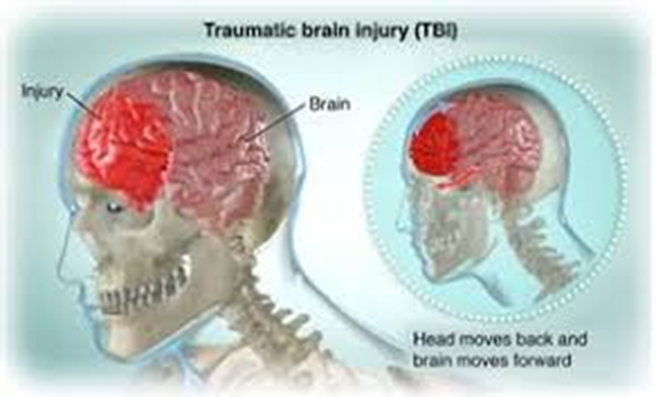
Which risk factor for traumatic brain injury (TBI) should a nurse include in a discussion about prevention for a group of adolescents?
A. Falls occur more frequently in the younger population.
While falls are a common cause of injury in children, they are not the leading cause of TBI in adolescents. Falls tend to be more frequent in the younger population, particularly in children under the age of 4. In adolescents, sports-related injuries and motor vehicle accidents are more prevalent causes of TBI.
B. Females have twice the risk that males do.
The statement that females have twice the risk of TBI compared to males is incorrect. National data reveal that males are at increased risk of TBI compared to females, especially in the adolescent age group. This is likely due to higher engagement in risk-taking behaviors and contact sports.
C. Concussions in sports and motor vehicle accidents cause the largest number of TBIs in teens.
Concussions in sports and motor vehicle accidents are indeed the leading causes of TBI in adolescents. Engaging in contact sports such as football, hockey, and soccer can lead to concussions, which are a form of mild TBI. Motor vehicle accidents are also a significant risk factor due to high-impact collisions that can cause head injuries.
D. Most firearm incidents are accidental.
Firearm incidents are a serious concern for TBI; however, they are not the most common cause of TBI in adolescents. While firearm-related injuries can be severe and are a leading cause of TBI-related deaths, concussions from sports and motor vehicle accidents account for a larger number of non-fatal TBIs in this age group.
Full Explanation
Choice A Reason:
While falls are a common cause of injury in children, they are not the leading cause of TBI in adolescents. Falls tend to be more frequent in the younger population, particularly in children under the age of 4. In adolescents, sports-related injuries and motor vehicle accidents are more prevalent causes of TBI.
Choice B Reason:
The statement that females have twice the risk of TBI compared to males is incorrect. National data reveal that males are at increased risk of TBI compared to females, especially in the adolescent age group. This is likely due to higher engagement in risk-taking behaviors and contact sports.
Choice C Reason:
Concussions in sports and motor vehicle accidents are indeed the leading causes of TBI in adolescents. Engaging in contact sports such as football, hockey, and soccer can lead to concussions, which are a form of mild TBI. Motor vehicle accidents are also a significant risk factor due to high-impact collisions that can cause head injuries.
Choice D Reason:
Firearm incidents are a serious concern for TBI; however, they are not the most common cause of TBI in adolescents. While firearm-related injuries can be severe and are a leading cause of TBI-related deaths, concussions from sports and motor vehicle accidents account for a larger number of non-fatal TBIs in this age group.