
Nursing practice questions with comprehensive rationales
NurseDive Free Nursing Practice Question
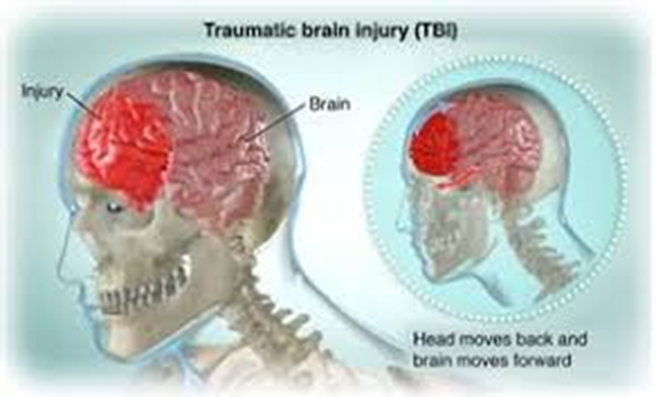
Which risk factor for traumatic brain injury (TBI) should a nurse include in a discussion about prevention for a group of adolescents?
A. Falls occur more frequently in the younger population.
While falls are a common cause of injury in children, they are not the leading cause of TBI in adolescents. Falls tend to be more frequent in the younger population, particularly in children under the age of 4. In adolescents, sports-related injuries and motor vehicle accidents are more prevalent causes of TBI.
B. Females have twice the risk that males do.
The statement that females have twice the risk of TBI compared to males is incorrect. National data reveal that males are at increased risk of TBI compared to females, especially in the adolescent age group. This is likely due to higher engagement in risk-taking behaviors and contact sports.
C. Concussions in sports and motor vehicle accidents cause the largest number of TBIs in teens.
Concussions in sports and motor vehicle accidents are indeed the leading causes of TBI in adolescents. Engaging in contact sports such as football, hockey, and soccer can lead to concussions, which are a form of mild TBI. Motor vehicle accidents are also a significant risk factor due to high-impact collisions that can cause head injuries.
D. Most firearm incidents are accidental.
Firearm incidents are a serious concern for TBI; however, they are not the most common cause of TBI in adolescents. While firearm-related injuries can be severe and are a leading cause of TBI-related deaths, concussions from sports and motor vehicle accidents account for a larger number of non-fatal TBIs in this age group.
This question is an excerpt from Nurse Dive's nursing test bank - Ati Fundamentals Assessment Proctored Exam Midterm. Take the full exam now
Full Explanation
Choice A Reason:
While falls are a common cause of injury in children, they are not the leading cause of TBI in adolescents. Falls tend to be more frequent in the younger population, particularly in children under the age of 4. In adolescents, sports-related injuries and motor vehicle accidents are more prevalent causes of TBI.
Choice B Reason:
The statement that females have twice the risk of TBI compared to males is incorrect. National data reveal that males are at increased risk of TBI compared to females, especially in the adolescent age group. This is likely due to higher engagement in risk-taking behaviors and contact sports.
Choice C Reason:
Concussions in sports and motor vehicle accidents are indeed the leading causes of TBI in adolescents. Engaging in contact sports such as football, hockey, and soccer can lead to concussions, which are a form of mild TBI. Motor vehicle accidents are also a significant risk factor due to high-impact collisions that can cause head injuries.
Choice D Reason:
Firearm incidents are a serious concern for TBI; however, they are not the most common cause of TBI in adolescents. While firearm-related injuries can be severe and are a leading cause of TBI-related deaths, concussions from sports and motor vehicle accidents account for a larger number of non-fatal TBIs in this age group.
Similar Questions
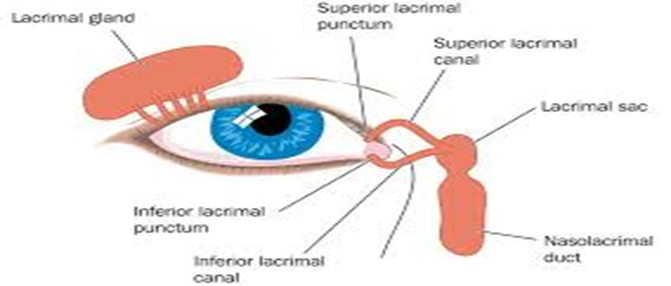
A middle-aged school teacher complains of excessive tearing of the eyes every morning. Which assessment should the nurse perform next?
A. Assess the nasolacrimal sac
The nasolacrimal sac is part of the tear drainage system. When a patient presents with excessive tearing, known as epiphora, it is important to assess for any obstruction in the lacrimal apparatus. The nasolacrimal sac can become blocked due to various reasons such as infection, inflammation, or structural abnormalities. Assessing this area can help determine if there is a blockage causing the tears to accumulate and overflow.
B. Inspect the palpebral conjunctiva
Inspecting the palpebral conjunctiva is typically done if there is a complaint of eye pain or a sensation of a foreign body in the eye. While it is part of a comprehensive eye examination, it is not the first assessment to be performed for excessive tearing unless there are additional symptoms that suggest a problem with the conjunctiva.
C. Test pupillary reaction to light
Testing the pupillary reaction to light is an assessment of the pupillary response and the function of the oculomotor nerve. This test is crucial when neurological issues are suspected or if there is a change in vision. However, it is not the primary assessment for excessive tearing without other associated symptoms.
D. Perform the eye positions test
The eye positions test, which assesses eye muscle strength and cranial nerve function, is not necessary unless there are signs of problems with muscle strength, such as drooping. This test would not typically be the next step in assessing a patient with excessive tearing unless there are other indications of muscle or nerve impairment.
Full Explanation
Choice A Reason:
The nasolacrimal sac is part of the tear drainage system. When a patient presents with excessive tearing, known as epiphora, it is important to assess for any obstruction in the lacrimal apparatus. The nasolacrimal sac can become blocked due to various reasons such as infection, inflammation, or structural abnormalities. Assessing this area can help determine if there is a blockage causing the tears to accumulate and overflow.
Choice B Reason:
Inspecting the palpebral conjunctiva is typically done if there is a complaint of eye pain or a sensation of a foreign body in the eye. While it is part of a comprehensive eye examination, it is not the first assessment to be performed for excessive tearing unless there are additional symptoms that suggest a problem with the conjunctiva.
Choice C Reason:
Testing the pupillary reaction to light is an assessment of the pupillary response and the function of the oculomotor nerve. This test is crucial when neurological issues are suspected or if there is a change in vision. However, it is not the primary assessment for excessive tearing without other associated symptoms.
Choice D Reason:
The eye positions test, which assesses eye muscle strength and cranial nerve function, is not necessary unless there are signs of problems with muscle strength, such as drooping. This test would not typically be the next step in assessing a patient with excessive tearing unless there are other indications of muscle or nerve impairment.
The nurse is using the finger pads of the hand to palpate a body part. Which finding would the nurse be best able to detect?
A. Temperature
The dorsal aspect of the hand, rather than the finger pads, is more sensitive to temperature due to its thinner skin. Therefore, while the finger pads can detect temperature, they are not the best tool for this purpose.
B. Vibrations
Vibrations, such as those produced by vocal fremitus, are typically assessed using the ulnar edge or the palmar aspect of the hand, not the finger pads. The finger pads are sensitive but do not provide the best surface for detecting vibrations.
C. Pulses
The finger pads are densely innervated and are the most sensitive part of the hand, making them ideal for palpating pulses. Pulses are subtle and require a fine touch to assess properly, which is why the finger pads are the preferred area for this assessment.
D. Fremitus
Fremitus refers to the palpable vibrations transmitted through the bronchopulmonary tree to the chest wall as someone speaks. It is best felt with the ball of the hand or the ulnar edge, not the finger pads.
Full Explanation
Choice A Reason:
The dorsal aspect of the hand, rather than the finger pads, is more sensitive to temperature due to its thinner skin. Therefore, while the finger pads can detect temperature, they are not the best tool for this purpose.
Choice B Reason:
Vibrations, such as those produced by vocal fremitus, are typically assessed using the ulnar edge or the palmar aspect of the hand, not the finger pads. The finger pads are sensitive but do not provide the best surface for detecting vibrations.
Choice C Reason:
The finger pads are densely innervated and are the most sensitive part of the hand, making them ideal for palpating pulses. Pulses are subtle and require a fine touch to assess properly, which is why the finger pads are the preferred area for this assessment.
Choice D Reason:
Fremitus refers to the palpable vibrations transmitted through the bronchopulmonary tree to the chest wall as someone speaks. It is best felt with the ball of the hand or the ulnar edge, not the finger pads.
A client reports experiencing chronic headaches after a recent upper respiratory tract infection. On physical examination, the nurse notes tenderness when palpating over the sinuses. Which condition is likely?
A. Rhinitis medicamentosa
Rhinitis medicamentosa, also known as rebound congestion, is a condition of nasal congestion without other cold or allergy symptoms, typically caused by the overuse of nasal decongestant sprays. It does not usually present with chronic headaches or tenderness over the sinuses, which are more indicative of sinusitis.
B. Acute bacterial sinusitis
Acute bacterial sinusitis is likely the correct diagnosis in this scenario. It often follows a viral upper respiratory infection and presents with symptoms such as thick, discolored nasal mucus, decreased sense of smell, and facial pain or tenderness over the affected sinuses. The chronic headache and noted tenderness upon palpation over the sinuses in the client are consistent with this condition.
C. Epistaxis
Epistaxis, or nosebleed, is bleeding from the nose that can be caused by various factors, including trauma, medication, or environmental conditions. While it can be a symptom of other nasal conditions, it is not typically associated with chronic headaches or sinus tenderness following an upper respiratory infection.
D. Allergic rhinitis
Allergic rhinitis is an allergic reaction to allergens such as pollen, dust, or pet dander, causing symptoms like sneezing, runny nose, itchy eyes, and sometimes headaches. However, the chronic headache and sinus tenderness described by the client after an infection are more suggestive of sinusitis rather than allergic rhinitis.
Full Explanation
Choice A Reason:
Rhinitis medicamentosa, also known as rebound congestion, is a condition of nasal congestion without other cold or allergy symptoms, typically caused by the overuse of nasal decongestant sprays. It does not usually present with chronic headaches or tenderness over the sinuses, which are more indicative of sinusitis.
Choice B Reason:
Acute bacterial sinusitis is likely the correct diagnosis in this scenario. It often follows a viral upper respiratory infection and presents with symptoms such as thick, discolored nasal mucus, decreased sense of smell, and facial pain or tenderness over the affected sinuses. The chronic headache and noted tenderness upon palpation over the sinuses in the client are consistent with this condition.
Choice C Reason:
Epistaxis, or nosebleed, is bleeding from the nose that can be caused by various factors, including trauma, medication, or environmental conditions. While it can be a symptom of other nasal conditions, it is not typically associated with chronic headaches or sinus tenderness following an upper respiratory infection.
Choice D Reason:
Allergic rhinitis is an allergic reaction to allergens such as pollen, dust, or pet dander, causing symptoms like sneezing, runny nose, itchy eyes, and sometimes headaches. However, the chronic headache and sinus tenderness described by the client after an infection are more suggestive of sinusitis rather than allergic rhinitis.