
Nursing practice questions with comprehensive rationales
NurseDive Free Nursing Practice Question
The prescription is for Ampicillin 1.5 grams to be added to 100mL of Normal Saline, to be infused over 120 minutes. The Drop Factor is 60gtt/mL. The pharmacy has provided Ampicillin 500mg in a 10mL vial. Calculate the flow rate in gtt/min at which the IV fluid should flow.
(Consider the medication that must be added to the total volume of fluid)
A. 50gtt/min
B. 33gtt/min
C. 65gtt/min
The formula for calculating flow rate is: Flow rate (gtt/min) = (Total volume (mL) ÷ Time (min)) × Drop factor (gtt/mL) Plugging in the values: Flow rate (gtt/min) = (130 mL ÷ 120 min) × 60 gtt/mL Flow rate (gtt/min) = 65 gtt/min Step 3: Round the flow rate to the nearest whole number. The calculated flow rate is 65 gtt/min. Rounding to the nearest whole number gives a flow rate of 65 gtt/min.
D. 100gtt/min
This question is an excerpt from Nurse Dive's nursing test bank - Ivy tech Medical Surgical NRSG 102 Proctored Exam. Take the full exam now
Full Explanation
The formula for calculating flow rate is:
Flow rate (gtt/min) = (Total volume (mL) ÷ Time (min)) × Drop factor (gtt/mL)
Plugging in the values:
Flow rate (gtt/min) = (130 mL ÷ 120 min) × 60 gtt/mL
Flow rate (gtt/min) = 65 gtt/min
Step 3: Round the flow rate to the nearest whole number.
The calculated flow rate is 65 gtt/min. Rounding to the nearest whole number gives a flow rate of 65 gtt/min.
Similar Questions
A postoperative home care patient has developed thrombophlebitis in her right leg.
What type of medication is likely to be prescribed for this cardiovascular complication?
A. Anticoagulant medication
Thrombophlebitis is a condition characterized by inflammation and blood clot formation within a vein. It commonly occurs in the legs, particularly after surgery or periods of prolonged immobility. Anticoagulant medications work by preventing the formation of blood clots or by slowing their growth. They do not dissolve existing clots, but they can help prevent the clot from enlarging or breaking off and traveling to other parts of the body, such as the lungs (causing a pulmonary embolism). Common anticoagulant medications used to treat thrombophlebitis include: Heparin: This is a fast-acting injectable medication often used in the initial treatment of thrombophlebitis. Warfarin: This is an oral medication that takes a few days to start working but can be used for long-term treatment. Direct oral anticoagulants (DOACs): These are newer oral medications that have a more predictable effect and fewer interactions with food and other medications compared to warfarin. The choice of anticoagulant medication depends on several factors, including the severity of the thrombophlebitis, the patient's overall health, and any other medications they are taking.
B. Antihistamine medication
Antihistamine medications are used to treat allergic reactions. They do not have any effect on blood clots and would not be effective in treating thrombophlebitis.
C. Antibiotic medication
Antibiotic medications are used to treat infections caused by bacteria. They do not have any effect on blood clots and would not be effective in treating thrombophlebitis unless there is a concurrent bacterial infection.
D. Antigen
Antigens are substances that trigger an immune response in the body. They are not used to treat thrombophlebitis.
Full Explanation
Choice A rationale:
Thrombophlebitis is a condition characterized by inflammation and blood clot formation within a vein. It commonly occurs in the legs, particularly after surgery or periods of prolonged immobility.
Anticoagulant medications work by preventing the formation of blood clots or by slowing their growth. They do not dissolve existing clots, but they can help prevent the clot from enlarging or breaking off and traveling to other parts of the body, such as the lungs (causing a pulmonary embolism).
Common anticoagulant medications used to treat thrombophlebitis include:
Heparin: This is a fast-acting injectable medication often used in the initial treatment of thrombophlebitis. Warfarin: This is an oral medication that takes a few days to start working but can be used for long-term treatment.
Direct oral anticoagulants (DOACs): These are newer oral medications that have a more predictable effect and fewer interactions with food and other medications compared to warfarin.
The choice of anticoagulant medication depends on several factors, including the severity of the thrombophlebitis, the patient's overall health, and any other medications they are taking.
Choice B rationale:
Antihistamine medications are used to treat allergic reactions. They do not have any effect on blood clots and would not be effective in treating thrombophlebitis.
Choice C rationale:
Antibiotic medications are used to treat infections caused by bacteria. They do not have any effect on blood clots and would not be effective in treating thrombophlebitis unless there is a concurrent bacterial infection.
Choice D rationale:
Antigens are substances that trigger an immune response in the body. They are not used to treat thrombophlebitis.
A nurse is using a bladder scanner to measure the bladder volume of a patient who is experiencing frequent urination.
In what position should the nurse place the patient?
A. Sims’ position
Rationale for Choice A: Sims' position is a side-lying position with the lower arm and leg flexed and the upper arm and leg extended. It is not ideal for bladder scanning because it can displace the bladder and potentially lead to inaccurate readings. While it can be used for other purposes, such as inserting rectal suppositories or performing vaginal exams, it's not the optimal choice for bladder scanning.
B. Dorsal recumbent position
Rationale for Choice B: Dorsal recumbent position is a supine position with the knees bent and feet flat on the bed. While it provides some exposure of the bladder, it may not fully visualize the entire bladder due to potential compression from the abdominal contents. This can also result in inaccurate readings.
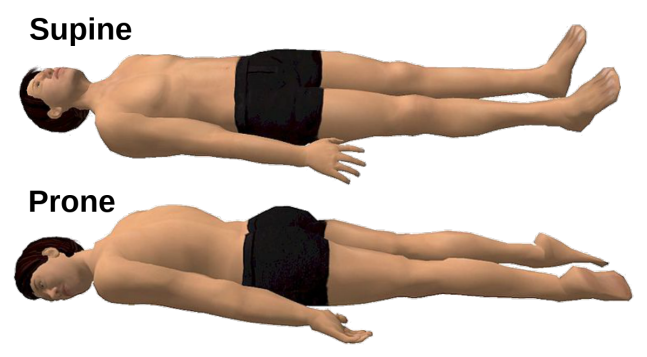
C. Supine position
Rationale for Choice C: Supine position is the best position for bladder scanning because it allows for the most accurate visualization of the bladder. In this position, the patient lies flat on their back with their legs extended. This position allows the bladder to rest naturally in the pelvic cavity, ensuring optimal positioning for the bladder scanner to capture a clear image and provide an accurate measurement of bladder volume. It also promotes patient comfort and relaxation during the procedure.
D. High Fowler’s position
Rationale for Choice D: High Fowler's position is a semi-sitting position with the head of the bed elevated at a 45- to 60-degree angle. This position is not suitable for bladder scanning because it can cause the bladder to shift upward and out of the optimal scanning range. It's typically used for respiratory comfort and procedures involving the head and upper body.
Full Explanation
Rationale for Choice A:
Sims' position is a side-lying position with the lower arm and leg flexed and the upper arm and leg extended. It is not ideal for bladder scanning because it can displace the bladder and potentially lead to inaccurate readings. While it can be used for other purposes, such as inserting rectal suppositories or performing vaginal exams, it's not the optimal choice for bladder scanning.
Rationale for Choice B:
Dorsal recumbent position is a supine position with the knees bent and feet flat on the bed. While it provides some exposure of the bladder, it may not fully visualize the entire bladder due to potential compression from the abdominal contents. This can also result in inaccurate readings.
Rationale for Choice D:
High Fowler's position is a semi-sitting position with the head of the bed elevated at a 45- to 60-degree angle. This position is not suitable for bladder scanning because it can cause the bladder to shift upward and out of the optimal scanning range. It's typically used for respiratory comfort and procedures involving the head and upper body.
Rationale for Choice C:
Supine position is the best position for bladder scanning because it allows for the most accurate visualization of the bladder. In this position, the patient lies flat on their back with their legs extended. This position allows the bladder to rest naturally in the pelvic cavity, ensuring optimal positioning for the bladder scanner to capture a clear image and provide an accurate measurement of bladder volume. It also promotes patient comfort and relaxation during the procedure.
A senior nursing student has been elected president of the Student Nurses Association.
Which of the following qualities is essential to being a nursing leader?
A. Quality of being independent.
While independence is a valuable quality for nurses, it's not the most essential quality for leadership. Effective leaders must be able to collaborate with others, delegate tasks, and build consensus. They must also be able to recognize when they need to seek help or guidance from others.
B. Quality of having physical stamina.
Physical stamina is important for nurses, as they often work long hours and are on their feet for extended periods. However, it's not the most essential quality for leadership. Leaders need to be able to think clearly, make decisions under pressure, and motivate others, even when they are tired or stressed.
C. Quality of being flexible.
Flexibility is essential for nursing leaders because the healthcare environment is constantly changing. Leaders must be able to adapt to new situations, challenges, and demands. They must also be able to adjust their leadership style to meet the needs of different individuals and teams. Here are some examples of how flexibility is essential for nursing leaders: Managing change: Leaders must be able to effectively manage change, such as new policies, procedures, or technologies. They need to be able to communicate changes clearly, provide support to staff, and ensure that changes are implemented smoothly. Dealing with conflict: Leaders must be able to resolve conflicts effectively, whether between staff members, patients, or families. They need to be able to listen to different perspectives, identify common ground, and find solutions that meet the needs of all parties involved. Adapting to different personalities: Leaders must be able to work with a variety of personalities and work styles. They need to be able to adjust their communication style, provide feedback, and motivate individuals in a way that is tailored to their needs. Responding to crises: Leaders must be able to act quickly and decisively in crisis situations. They need to be able to assess the situation, make decisions, and take action to protect the safety of patients and staff.
D. Quality of being vulnerable.
Vulnerability can be a valuable quality for leaders, as it can help to build trust and rapport with others. However, it's not the most essential quality for leadership. Leaders need to be able to balance vulnerability with strength and confidence.
Full Explanation
Choice A rationale:
While independence is a valuable quality for nurses, it's not the most essential quality for leadership. Effective leaders must be able to collaborate with others, delegate tasks, and build consensus. They must also be able to recognize when they need to seek help or guidance from others.
Choice B rationale:
Physical stamina is important for nurses, as they often work long hours and are on their feet for extended periods. However, it's not the most essential quality for leadership. Leaders need to be able to think clearly, make decisions under pressure, and motivate others, even when they are tired or stressed.
Choice C rationale:
Flexibility is essential for nursing leaders because the healthcare environment is constantly changing. Leaders must be able to adapt to new situations, challenges, and demands. They must also be able to adjust their leadership style to meet the needs of different individuals and teams.
Here are some examples of how flexibility is essential for nursing leaders:
Managing change: Leaders must be able to effectively manage change, such as new policies, procedures, or technologies. They need to be able to communicate changes clearly, provide support to staff, and ensure that changes are implemented smoothly.
Dealing with conflict: Leaders must be able to resolve conflicts effectively, whether between staff members, patients, or families. They need to be able to listen to different perspectives, identify common ground, and find solutions that meet the needs of all parties involved.
Adapting to different personalities: Leaders must be able to work with a variety of personalities and work styles. They need to be able to adjust their communication style, provide feedback, and motivate individuals in a way that is tailored to their needs.
Responding to crises: Leaders must be able to act quickly and decisively in crisis situations. They need to be able to assess the situation, make decisions, and take action to protect the safety of patients and staff.
Choice D rationale:
Vulnerability can be a valuable quality for leaders, as it can help to build trust and rapport with others. However, it's not the most essential quality for leadership. Leaders need to be able to balance vulnerability with strength and confidence.