Nursing practice questions with comprehensive rationales
NurseDive Free Nursing Practice Question
To protect newborns from infection while in the nursery, the nurse plans to:
A. Adjust room temperature between 75°F and 80°F
This is not correct because adjusting room temperature between 75°F and 80°F is not a measure to protect newborns from infection. The room temperature should be maintained within a comfortable range for newborns, but it does not affect infection risk.
B. Wear a disposable gown when giving infant care
This is not correct because wearing a disposable gown when giving infant care is not a measure to protect newborns from infection. Disposable gowns are part of contact precautions, which are used for patients with known or suspected infections that can be transmitted by direct or indirect contact. They are not necessary for routine infant care.
C. Keep the newborn dressed warmly
This is not correct because keeping the newborn dressed warmly is not a measure to protect newborns from infection. Keeping the newborn dressed warmly can help prevent heat loss and hypothermia, but it does not affect infection risk.
D. Wash hands before touching each baby
This is because hand hygiene is the most effective way to prevent infection transmission in the nursery. Hand hygiene should be performed before and after every patient contact, as well as before and after wearing gloves or handling equipment. Hand hygiene can be done by washing hands with soap and water or using alcohol-based hand rubs.
This question is an excerpt from Nurse Dive's nursing test bank - Postpartum AMD Newborn Care Proctored Exam. Take the full exam now
Full Explanation
Wash hands before touching each baby. This is because hand hygiene is the most effective way to prevent infection transmission in the nursery. Hand hygiene should be performed before and after every patient contact, as well as before and after wearing gloves or handling equipment. Hand hygiene can be done by washing hands with soap and water or using alcohol-based hand rubs.
Choice A is not correct because adjusting room temperature between 75°F and 80°F is not a measure to protect newborns from infection. The room temperature should be maintained within a comfortable range for newborns, but it does not affect infection risk.
Choice B is not correct because wearing a disposable gown when giving infant care is not a measure to protect newborns from infection. Disposable gowns are part of contact precautions, which are used for patients with known or suspected infections that can be transmitted by direct or indirect contact. They are not necessary for routine infant care.
Choice C is not correct because keeping the newborn dressed warmly is not a measure to protect newborns from infection. Keeping the newborn dressed warmly can help prevent heat loss and hypothermia, but it does not affect infection risk.
Similar Questions
When a newborn takes its first breath, what physical changes occur in the heart to increase oxygenation of the body?
A. The ductus arteriosus expands to allow more blood to enter the lungs
This is not correct because the ductus arteriosus does not expand to allow more blood to enter the lungs. The ductus arteriosus is another fetal shunt that connects the pulmonary artery to the aorta. It allows blood to bypass the lungs and flow from the right ventricle to the aorta. After birth, when the baby starts to breathe air, the oxygen concentration in the blood increases and causes the ductus arteriosus to constrict and close. This increases blood flow to the lungs and decreases blood flow to the aorta¹².
B. The foramen ovale closes, preventing blood exchange from right to left in the heart
This is because the foramen ovale is a fetal shunt that allows blood to bypass the lungs and flow from the right atrium to the left atrium. After birth, when the baby starts to breathe air, the lungs expand and the pulmonary resistance decreases. This causes an increase in blood flow and pressure in the left atrium, which pushes the foramen ovale closed. This prevents blood from mixing between the right and left sides of the heart and allows oxygenated blood to circulate to the body¹².
C. The umbilical vein that carried oxygenated blood in utero becomes the ascending aorta entering the right atrium
This is not correct because the umbilical vein that carried oxygenated blood in utero does not become the ascending aorta entering the right atrium. The umbilical vein is a fetal vessel that carries oxygenated blood from the placenta to the fetus. It connects to either the portal vein or the ductus venosus, which then drains into the inferior vena cava. After birth, when the umbilical cord is clamped and cut, the umbilical vein collapses and becomes a fibrous cord called ligamentum teres hepatis¹².
D. The ductus venosus shunts oxygenated aortic blood to the lungs.
This is not correct because the ductus venosus does not shunt oxygenated aortic blood to the lungs. The ductus venosus is another fetal vessel that connects the umbilical vein to the inferior vena cava. It allows some of the oxygenated blood from the placenta to bypass the liver and enter directly into the systemic circulation. After birth, when the umbilical cord is clamped and cut, the ductus venosus closes and becomes a fibrous cord called ligamentum venosum¹².
Full Explanation
The foramen ovale closes, preventing blood exchange from right to left in the heart. This is because the foramen ovale is a fetal shunt that allows blood to bypass the lungs and flow from the right atrium to the left atrium. After birth, when the baby starts to breathe air, the lungs expand and the pulmonary resistance decreases. This causes an increase in blood flow and pressure in the left atrium, which pushes the foramen ovale closed. This prevents blood from mixing between the right and left sides of the heart and allows oxygenated blood to circulate to the body¹².
Choice A is not correct because the ductus arteriosus does not expand to allow more blood to enter the lungs. The ductus arteriosus is another fetal shunt that
connects the pulmonary artery to the aorta. It allows blood to bypass the lungs and flow from the right ventricle to the aorta. After birth, when the baby starts to breathe air, the oxygen concentration in the blood increases and causes the ductus arteriosus to constrict and close. This increases blood flow to the lungs and decreases blood flow to the aorta.
Choice C is not correct because the umbilical vein that carried oxygenated blood in utero does not become the ascending aorta entering the right atrium. The umbilical vein is a fetal vessel that carries oxygenated blood from the placenta to the fetus. It connects to either the portal vein or the ductus venosus, which then drains into the inferior vena cava. After birth, when the umbilical cord is clamped and cut, the umbilical vein collapses and becomes a fibrous cord called ligamentum teres hepatis.
Choice D is not correct because the ductus venosus does not shunt oxygenated aortic blood to the lungs. The ductus venosus is another fetal vessel that connects the umbilical vein to the inferior vena cava. It allows some of the oxygenated blood from the placenta to bypass the liver and enter directly into the systemic circulation. After birth, when the umbilical cord is clamped and cut, the ductus venosus closes and becomes a fibrous cord called ligamentum venosum.
A new mother of a newborn girl calls the clinic in a panic, concerned about the blood-tinged soiled diaper. What is the best response from the nurse?
A. This can be from the sudden withdrawal of your hormones. It's not a cause for alarm.
This can be from the sudden withdrawal of your hormones. It's not a cause for alarm. This is because newborn female babies may have a little bloody vaginal discharge in their diapers due to the withdrawal of maternal hormones after delivery. This usually stops as the hormones return to normal levels.
B. The baby may have a problem; let's schedule an appointment.
This is wrong because the baby does not need an appointment for this condition.
C. For now, just watch her. If this continues, call us back.
This is wrong because the mother does not need to watch her baby for this condition.
D. This can be related to cleaning her perineal area; be more careful.
This is wrong because the blood is not related to cleaning her perineal area.
Full Explanation
This can be from the sudden withdrawal of your hormones. It's not a cause for alarm. This is because newborn female babies may have a little bloody vaginal discharge in their diaper due to the withdrawal of maternal hormones after delivery. This usually stops as the hormones return to normal levels¹².
Choice B is wrong because the baby does not need an appointment for this condition.
Choice C is wrong because the mother does not need to watch her baby for this condition.
Choice D is wrong because the blood is not related to cleaning her perineal area.
A nurse is caring for a newborn shortly after birth and places the newborn under a radiant warmer. Which of the following potential complications does this action help to prevent?
A. Cold stress
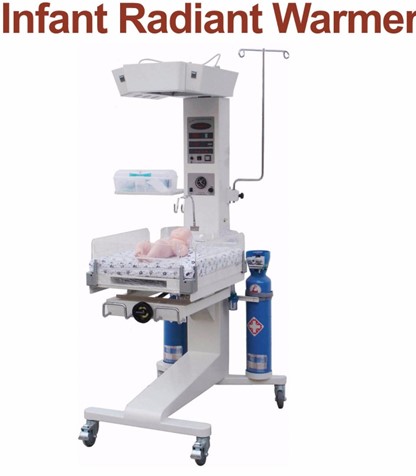
This action helps to prevent cold stress. This is because cold stress is a condition where the newborn's core temperature drops below 36.5°C and they use energy and oxygen to generate warmth. This can lead to hypoglycemia, metabolic acidosis, hypoxia, and an increased risk of infection. Placing the newborn under a radiant warmer provides thermal stability and prevents heat loss by radiation. Here is an image of a newborn under a radiant warmer.
B. Thermogenesis
This is wrong because thermogenesis is the process of heat production, not a complication.
C. Shivering
This is wrong because shivering is a mechanism of heat production in adults, not in newborns.
D. Brown fat production
This is wrong because brown fat production is a normal feature of newborns that helps them generate heat by lipolysis.
Full Explanation
This action helps to prevent cold stress. This is because cold stress is a condition where the newborn's core temperature drops below 36.5°C and they use energy and oxygen to generate warmth. This can lead to hypoglycemia, metabolic acidosis, hypoxia, and an increased risk of infection.
Placing the newborn under a radiant warmer provides thermal stability and prevents heat loss by radiation.
Choice B is wrong because thermogenesis is the process of heat production, not a complication.
Choice C is wrong because shivering is a mechanism of heat production in adults, not in newborns.
Choice D is wrong because brown fat production is a normal feature of newborns that helps them generate heat by lipolysis.
Here is an image of a newborn under a radiant warmer.