Nursing practice questions with comprehensive rationales
NurseDive Free Nursing Practice Question
What is the primary difference between somatic system disorders and dissociative disorders?
A. They are under voluntary control
Both somatic symptom disorders and dissociative disorders involve psychological distress but are not necessarily under voluntary control.
B. They are psychological stress expressed through somatic symptoms.
Somatic symptom disorders involve physical symptoms that are a manifestation of psychological distress, while dissociative disorders involve disruptions in memory, identity, perception, and consciousness as a response to stress.
C. They are related to resolved stress.
Dissociative disorders often occur as a response to ongoing or unresolved stress rather than resolved stress.
D. They are generally strongly culturally bound.
While both types of disorders can occur across cultures, they are not strictly bound by cultural factors.
This question is an excerpt from Nurse Dive's nursing test bank - Ati RN Psychtriac Nursing Proctored Exam. Take the full exam now
Full Explanation
A. Both somatic symptom disorders and dissociative disorders involve psychological distress but are not necessarily under voluntary control.
B. Somatic symptom disorders involve physical symptoms that are a manifestation of psychological distress, while dissociative disorders involve disruptions in memory, identity, perception, and consciousness as a response to stress.
C. Dissociative disorders often occur as a response to ongoing or unresolved stress rather than resolved stress.
D. While both types of disorders can occur across cultures, they are not strictly bound by cultural factors.
Similar Questions
A nurse is caring for a client who has depression. The client refuses to get out of bed, go to activities, or participate in any of the unit's programs. Which of the following responses should the nurse make?
A. "If you do not get out of bed you will not receive your meal."
Using a threat about meals isn't a therapeutic approach to encourage participation and may further distress the client.
B. "I will help you get ready and then you can rest after activities."
This response offers assistance while encouraging participation, respecting the client's autonomy by suggesting a balance between activity and rest.
C. "You really need to follow the rules of the unit and get out of bed."
Using a direct order may escalate resistance and isn't likely to be helpful.
D. "You should rest until you feel able to join the group."
This response doesn't encourage participation and may perpetuate the client's withdrawal.
Full Explanation
A. Using a threat about meals isn't a therapeutic approach to encourage participation and may further distress the client.
B. This response offers assistance while encouraging participation, respecting the client's autonomy by suggesting a balance between activity and rest.
C. Using a direct order may escalate resistance and isn't likely to be helpful.
D. This response doesn't encourage participation and may perpetuate the client's withdrawal.
Which statement provides the best rationale for why a nurse should closely monitor a severely depressed patient during antidepressant medication therapy?
A. Suicide is an impulsive act.
While impulsive actions can contribute to suicide, it doesn't specifically relate to monitoring during antidepressant therapy.
B. As depression lifts, physical energy becomes available to carry out suicide.
Monitoring is crucial because as depressive symptoms improve, the energy levels may increase before mood stabilizes, potentially increasing the risk of acting on suicidal thoughts.
C. Suicide may be precipitated by a variety of internal and external events.
While true, this statement doesn't specifically address the need for monitoring during antidepressant therapy.
D. Suicidal patients have difficulty using social supports.
This statement highlights a potential issue for suicidal patients but doesn't directly relate to the need for monitoring during antidepressant therapy.
Full Explanation
A. While impulsive actions can contribute to suicide, it doesn't specifically relate to monitoring during antidepressant therapy.
B. Monitoring is crucial because as depressive symptoms improve, the energy levels may increase before mood stabilizes, potentially increasing the risk of acting on suicidal thoughts.
C. While true, this statement doesn't specifically address the need for monitoring during antidepressant therapy.
D. This statement highlights a potential issue for suicidal patients but doesn't directly relate to the need for monitoring during antidepressant therapy.
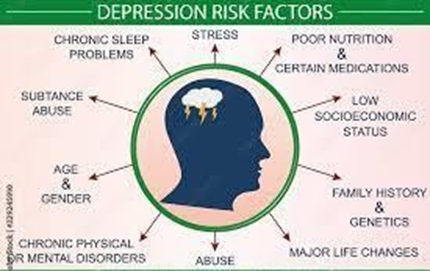
A nurse is providing teaching for a client who has a recent diagnosis of depression. Which of the following should the nurse identify as a primary risk factor for this disorder?
A. Having elevated levels of serotonin.
Elevated levels of serotonin are associated with a potential treatment for depression but aren't considered a primary risk factor for developing depression.
B. Past history of childhood trauma.
Past history of childhood trauma, such as abuse or neglect, is a well-established risk factor for the development of depression later in life.
C. Being an only child.
Being an only child is not recognized as a primary risk factor for depression.
D. Recent history of stressful positive life events.
Recent history of stressful positive life events might not be a primary risk factor for depression; in some cases, it could be a protective factor.
Full Explanation
A. Elevated levels of serotonin are associated with a potential treatment for depression but aren't considered a primary risk factor for developing depression.
B. Past history of childhood trauma, such as abuse or neglect, is a well-established risk factor for the development of depression later in life.
C. Being an only child is not recognized as a primary risk factor for depression.
D. Recent history of stressful positive life events might not be a primary risk factor for depression; in some cases, it could be a protective factor.