
Nursing practice questions with comprehensive rationales
NurseDive Free Nursing Practice Question
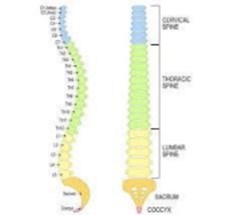
When classifying spinal cord injuries, which of the following does the nurse understand is an example of the level of injury?
A. Quadriplegia
Rationale: Quadriplegia is a type of paralysis that affects all four limbs and the trunk, usually caused by an injury to the cervical spine (C1-C8).
B. Incomplete loss of function
Rationale: Incomplete loss of function refers to the extent of injury and whether some neurological function remains, not the level of injury.
C. CA injury
Rationale: CA injury refers to cervical spine injury, which is the most common level of spinal cord injury.
D. Hyperextension
Rationale: Hyperextension, like other mechanisms of injury (such as compression, flexion, or flexion-rotation), can contribute to spinal cord injury but does not define the level of injury.
This question is an excerpt from Nurse Dive's nursing test bank - ATI Paediatrics Proctored Exam 1. Take the full exam now
Full Explanation
Choice A Rationale: Quadriplegia is a type of paralysis that affects all four limbs and the trunk, usually caused by an injury to the cervical spine (C1-C8).
Choice B Rationale: Incomplete loss of function refers to the extent of injury and whether some neurological function remains, not the level of injury.
Choice C Rationale: CA injury refers to cervical spine injury, which is the most common level of spinal cord injury.
Choice D Rationale: Hyperextension, like other mechanisms of injury (such as compression, flexion, or flexion-rotation), can contribute to spinal cord injury but does not define the level of injury.
Similar Questions
When caring for the client hospitalized with tetanus, which of the following will the nurse include in the care plan?
A. Educate about the importance of proper food handling
Rationale: Educating about the importance of proper food handling is important for preventing foodborne illnesses but is not specific to the care of a client with tetanus.
B. Offer food at least 4 times a day
Rationale: Offering food at least 4 times a day may be necessary for maintaining nutritional support, but it does not address the specific care needs of a client with tetanus.
C. Anticipate administration of opioids
Rationale: Anticipating administration of opioids is an important component of the care plan for tetanus. Opioids can help manage muscle spasms and severe pain associated with tetanus.
D. Provide distraction activities
Rationale: Providing distraction activities may be beneficial for clients with tetanus to help divert their attention from muscle spasms and discomfort, but it is not the primary intervention.
Full Explanation
Choice A Rationale: Educating about the importance of proper food handling is important for preventing foodborne illnesses but is not specific to the care of a client with tetanus.
Choice B Rationale: Offering food at least 4 times a day may be necessary for maintaining nutritional support, but it does not address the specific care needs of a client with tetanus.
Choice C Rationale: Anticipating administration of opioids is an important component of the care plan for tetanus. Opioids can help manage muscle spasms and severe pain associated with tetanus.
Choice D Rationale: Providing distraction activities may be beneficial for clients with tetanus to help divert their attention from muscle spasms and discomfort, but it is not the primary intervention.
A nurse caring for a client with a new spinal cord injury notices that the indwelling urinary catheter has stopped flowing. What is the nurses best first action?
A. Notify the physician
Rationale: Notifying the physician may be necessary if troubleshooting the issue does not resolve the problem, but it is not the initial step.
B. Check the tubing
Rationale: The nurse should first check the tubing of the indwelling urinary catheter for any kinks, twists, or obstructions that might prevent the urine flow. This is a simple and non-invasive intervention that can resolve the problem quickly and easily.
C. Remove the indwelling catheter
Rationale: Removing the indwelling catheter is not advisable without proper assessment and intervention, as it can lead to complications.
D. Replace the indwelling catheter
Rationale: Replacing the indwelling catheter is not the first step and should only be done if the problem cannot be resolved through assessment and interventions.
Full Explanation
Choice A Rationale: Notifying the physician may be necessary if troubleshooting the issue does not resolve the problem, but it is not the initial step.
Choice B Rationale: The nurse should first check the tubing of the indwelling urinary catheter for any kinks, twists, or obstructions that might prevent the urine flow. This is a simple and non-invasive intervention that can resolve the problem quickly and easily.
Choice C Rationale: Removing the indwelling catheter is not advisable without proper assessment and intervention, as it can lead to complications.
Choice D Rationale: Replacing the indwelling catheter is not the first step and should only be done if the problem cannot be resolved through assessment and interventions.
A 17-year old was injured after diving into shallow water. He was transported to the emergency department where imaging indicated he suffered a spinal cord injury. Based on this information, what mechanism likely caused the spinal cord injury?
A. hyperextension
Rationale: hyperextension is when the neck is bent backward beyond its normal range of motion. This can happen in a rear-end collision or a fall on the back of the head.
B. compression
Rationale: A spinal cord injury occurs when there is damage to the spinal cord or the surrounding structures, such as the vertebrae, ligaments, or discs. The most common cause of spinal cord injury is trauma, which can result from direct impact, penetration, or excessive force on the spine. Diving into shallow water can cause compression of the spine, which means that the vertebrae are pushed together and squeeze the spinal cord. This can damage the nerve fibers and disrupt the communication between the brain and the body. Compression injuries can affect any part of the spine, but are more common in the cervical and thoracic regions.
C. flexion-rotation
Rationale: flexion-rotation is when the neck is bent and twisted at the same time. This can happen in a sports injury or a violent assault.
D. flexion
Rationale: This is when the neck is bent forward beyond its normal range of motion. This can cause the posterior part of the vertebral column to compress and fracture, while the anterior part of the spinal cord is stretched and injured. This can happen in a head-on collision or a fall on the face. A flexion-rotation is when the neck is bent and twisted at the same time.
Full Explanation
Choice A Rationale: hyperextension is when the neck is bent backward beyond its normal range of motion. This can happen in a rear-end collision or a fall on the back of the head.
Choice B Rationale: A spinal cord injury occurs when there is damage to the spinal cord or the surrounding structures, such as the vertebrae, ligaments, or discs. The most common cause of spinal cord injury is trauma, which can result from direct impact, penetration, or excessive force on the spine. Diving into shallow water can cause compression of the spine, which means that the vertebrae are pushed together and squeeze the spinal cord. This can damage the nerve fibers and disrupt the communication between the brain and the body. Compression injuries can affect any part of the spine, but are more common in the cervical and thoracic regions.
Choice C Rationale: flexion-rotation is when the neck is bent and twisted at the same time. This can happen in a sports injury or a violent assault.
Choice D Rationale: This is when the neck is bent forward beyond its normal range of motion. This can cause the posterior part of the vertebral column to compress and fracture, while the anterior part of the spinal cord is stretched and injured. This can happen in a head-on collision or a fall on the face. A flexion-rotation is when the neck is bent and twisted at the same time.