
Nursing practice questions with comprehensive rationales
NurseDive Free Nursing Practice Question
When caring for the client hospitalized with tetanus, which of the following will the nurse include in the care plan?
A. Educate about the importance of proper food handling
Rationale: Educating about the importance of proper food handling is important for preventing foodborne illnesses but is not specific to the care of a client with tetanus.
B. Offer food at least 4 times a day
Rationale: Offering food at least 4 times a day may be necessary for maintaining nutritional support, but it does not address the specific care needs of a client with tetanus.
C. Anticipate administration of opioids
Rationale: Anticipating administration of opioids is an important component of the care plan for tetanus. Opioids can help manage muscle spasms and severe pain associated with tetanus.
D. Provide distraction activities
Rationale: Providing distraction activities may be beneficial for clients with tetanus to help divert their attention from muscle spasms and discomfort, but it is not the primary intervention.
This question is an excerpt from Nurse Dive's nursing test bank - ATI Paediatrics Proctored Exam 1. Take the full exam now
Full Explanation
Choice A Rationale: Educating about the importance of proper food handling is important for preventing foodborne illnesses but is not specific to the care of a client with tetanus.
Choice B Rationale: Offering food at least 4 times a day may be necessary for maintaining nutritional support, but it does not address the specific care needs of a client with tetanus.
Choice C Rationale: Anticipating administration of opioids is an important component of the care plan for tetanus. Opioids can help manage muscle spasms and severe pain associated with tetanus.
Choice D Rationale: Providing distraction activities may be beneficial for clients with tetanus to help divert their attention from muscle spasms and discomfort, but it is not the primary intervention.
Similar Questions
The nurse caring for the client with Alzheimer's documents that the client is in the early stage of Alzheimer's. Which findings are consistent with mild Alzheimer's disease?
A. Fecal incontinence
Rationale: Fecal incontinence is not typically associated with mild Alzheimer's disease but may occur in later stages.
B. Urinary incontinence
Rationale: Urinary incontinence can occur in Alzheimer's disease, but it is not specific to the mild stage.
C. Inability to smile
Rationale: Inability to smile is not a typical manifestation of Alzheimer's disease but may be related to facial muscle weakness or other factors.
D. Able to drive to familiar places
Rationale: Being able to drive to familiar places is consistent with the early stage of Alzheimer's disease, where clients may still have some independence and ability to perform routine tasks.
Full Explanation
Choice A Rationale: Fecal incontinence is not typically associated with mild Alzheimer's disease but may occur in later stages.
Choice B Rationale: Urinary incontinence can occur in Alzheimer's disease, but it is not specific to the mild stage.
Choice C Rationale: Inability to smile is not a typical manifestation of Alzheimer's disease but may be related to facial muscle weakness or other factors.
Choice D Rationale: Being able to drive to familiar places is consistent with the early stage of Alzheimer's disease, where clients may still have some independence and ability to perform routine tasks.
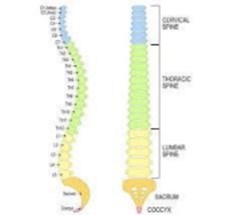
When classifying spinal cord injuries, which of the following does the nurse understand is an example of the level of injury?
A. Quadriplegia
Rationale: Quadriplegia is a type of paralysis that affects all four limbs and the trunk, usually caused by an injury to the cervical spine (C1-C8).
B. Incomplete loss of function
Rationale: Incomplete loss of function refers to the extent of injury and whether some neurological function remains, not the level of injury.
C. CA injury
Rationale: CA injury refers to cervical spine injury, which is the most common level of spinal cord injury.
D. Hyperextension
Rationale: Hyperextension, like other mechanisms of injury (such as compression, flexion, or flexion-rotation), can contribute to spinal cord injury but does not define the level of injury.
Full Explanation
Choice A Rationale: Quadriplegia is a type of paralysis that affects all four limbs and the trunk, usually caused by an injury to the cervical spine (C1-C8).
Choice B Rationale: Incomplete loss of function refers to the extent of injury and whether some neurological function remains, not the level of injury.
Choice C Rationale: CA injury refers to cervical spine injury, which is the most common level of spinal cord injury.
Choice D Rationale: Hyperextension, like other mechanisms of injury (such as compression, flexion, or flexion-rotation), can contribute to spinal cord injury but does not define the level of injury.
When caring for the client hospitalized with tetanus, which of the following will the nurse include in the care plan?
A. Educate about the importance of proper food handling
Rationale: Educating about the importance of proper food handling is important for preventing foodborne illnesses but is not specific to the care of a client with tetanus.
B. Offer food at least 4 times a day
Rationale: Offering food at least 4 times a day may be necessary for maintaining nutritional support, but it does not address the specific care needs of a client with tetanus.
C. Anticipate administration of opioids
Rationale: Anticipating administration of opioids is an important component of the care plan for tetanus. Opioids can help manage muscle spasms and severe pain associated with tetanus.
D. Provide distraction activities
Rationale: Providing distraction activities may be beneficial for clients with tetanus to help divert their attention from muscle spasms and discomfort, but it is not the primary intervention.
Full Explanation
Choice A Rationale: Educating about the importance of proper food handling is important for preventing foodborne illnesses but is not specific to the care of a client with tetanus.
Choice B Rationale: Offering food at least 4 times a day may be necessary for maintaining nutritional support, but it does not address the specific care needs of a client with tetanus.
Choice C Rationale: Anticipating administration of opioids is an important component of the care plan for tetanus. Opioids can help manage muscle spasms and severe pain associated with tetanus.
Choice D Rationale: Providing distraction activities may be beneficial for clients with tetanus to help divert their attention from muscle spasms and discomfort, but it is not the primary intervention.