
Nursing practice questions with comprehensive rationales
NurseDive Free Nursing Practice Question
A. Explain to the client that the dosage has been changed.
Explaining to the client that the dosage has been changed is not a safe action because it may not be true. The nurse should not assume that the prescribed dosage is correct or different from the previous one without verifying it with the healthcare provider or the medication record.
B. Withhold the medication until the dosage can be confirmed.
C. Inform him that he may refuse the medication and document whether or not he takes it.
Informing him that he may refuse the medication and documenting whether or not he takes it is not a responsible action because it does not address the issue of dosage discrepancy. The nurse should respect the client's right to refuse medication, but should also educate him about the benefits and risks of taking or not taking it. The nurse should also try to resolve any barriers or concerns that may affect the client's adherence to medication.
D. Tell him to take the medication then verify the dosage at the next healthcare team meeting.
Telling him to take the medication then verifying the dosage at the next healthcare team meeting is not a timely action because it may cause harm or complications to the client. The nurse should not administer any medication without checking its accuracy and appropriateness for the client. The nurse should also report and document any medication incidents as soon as possible.
This question is an excerpt from Nurse Dive's nursing test bank - HESI Exit II Proctored Exam. Take the full exam now
Full Explanation
Choice A reason: Explaining to the client that the dosage has been changed is not a safe action because it may not be true. The nurse should not assume that the prescribed dosage is correct or different from the previous one without verifying it with the healthcare provider or the medication record.
Choice C reason: Informing him that he may refuse the medication and documenting whether or not he takes it is not a responsible action because it does not address the issue of dosage discrepancy. The nurse should respect the client's right to refuse medication, but should also educate him about the benefits and risks of taking or not taking it. The nurse should also try to resolve any barriers or concerns that may affect the client's adherence to medication.
Choice D reason: Telling him to take the medication then verifying the dosage at the next healthcare team meeting is not a timely action because it may cause harm or complications to the client. The nurse should not administer any medication without checking its accuracy and appropriateness for the client. The nurse should also report and document any medication incidents as soon as possible.
Similar Questions
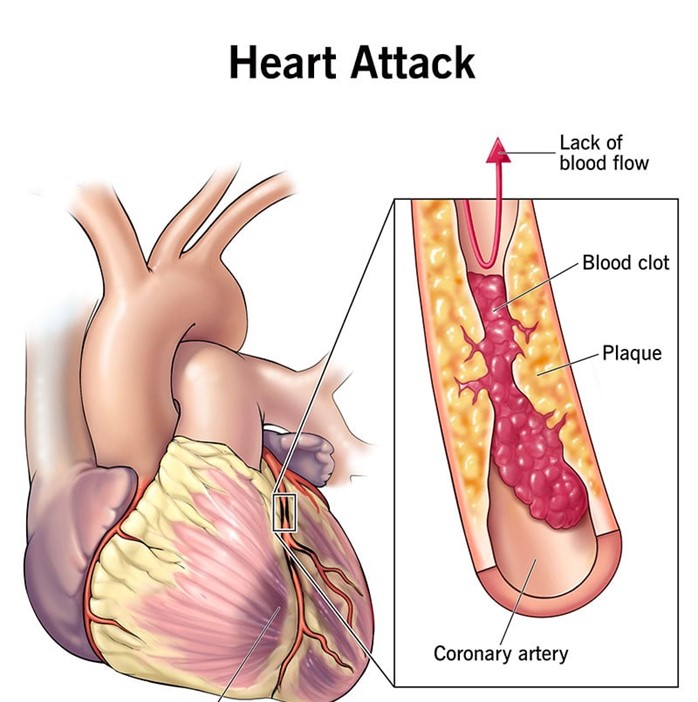
A 46-year-old male client who had a myocardial infarction (MI) 24 hours ago comes to the nurse's station fully dressed and wanting to go home. He tells the nurse that he is feeling much better at this time. Based on this behavior, which client problem should the nurse include in the plan of care?
A. Ineffective coping related to denial
Choice A reason: This is the correct answer because ineffective coping related to denial is a likely problem for a client who had an MI 24 hours ago and wants to go home despite his condition. Denial is a defense mechanism that helps people avoid facing unpleasant or threatening realities, such as having a heart attack and needing hospitalization and treatment. The nurse should assess the client's coping skills and provide emotional support and education.
B. Emotional conflict due to stress
Emotional conflict due to stress is not a specific problem for a client who had an MI 24 hours ago and wants to go home despite his condition. Emotional conflict is a state of having mixed or contradictory feelings about something or someone, such as family, work, or self. Stress is a response to any physical, psychological, or environmental demand that exceeds one's coping resources. The nurse should assess the client's sources of stress and conflict and help him manage them.
C. Deficient knowledge of MI lifestyle changes
Deficient knowledge of MI lifestyle changes is not a primary problem for a client who had an MI 24 hours ago and wants to go home despite his condition. Deficient knowledge is a state of lacking information or understanding about something, such as disease process, treatment options, or self-care measures. Lifestyle changes are modifications in one's habits or behaviors that promote health and well-being, such as diet, exercise, smoking cessation, or stress management. The nurse should assess the client's learning needs and readiness and provide appropriate education.
D. Anxiety related to treatment plan
Anxiety related to treatment plan is not an evident problem for a client who had an MI 24 hours ago and wants to go home despite his condition. Anxiety is a feeling of apprehension, worry, or fear that interferes with one's normal functioning or well-being. Treatment plan is a set of goals, interventions, and outcomes that guide the care of a client with a specific health problem, such as MI. The nurse should assess the client's level of anxiety and provide information and reassurance about his treatment plan.
Full Explanation
Choice B reason: Emotional conflict due to stress is not a specific problem for a client who had an MI 24 hours ago and wants to go home despite his condition. Emotional conflict is a state of having mixed or contradictory feelings about something or someone, such as family, work, or self. Stress is a response to any physical, psychological, or environmental demand that exceeds one's coping resources. The nurse should assess the client's sources of stress and conflict and help him manage them.
Choice C reason: Deficient knowledge of MI lifestyle changes is not a primary problem for a client who had an MI 24 hours ago and wants to go home despite his condition. Deficient knowledge is a state of lacking information or understanding about something, such as disease process, treatment options, or self-care measures. Lifestyle changes are modifications in one's habits or behaviors that promote health and well-being, such as diet, exercise, smoking cessation, or stress management. The nurse should assess the client's learning needs and readiness and provide appropriate education.
Choice D reason: Anxiety related to treatment plan is not an evident problem for a client who had an MI 24 hours ago and wants to go home despite his condition. Anxiety is a feeling of apprehension, worry, or fear that interferes with one's normal functioning or well-being. Treatment plan is a set of goals, interventions, and outcomes that guide the care of a client with a specific health problem, such as MI. The nurse should assess the client's level of anxiety and provide information and reassurance about his treatment plan.
The nurse is providing teaching to a client with type 2 diabetes mellitus about important points for disease and symptom management. Which statement
by the client indicates understanding?
A. Get an eye examination with an ophthalmologist annually.
B. Arrange diet schedule around three regular meals a day.
Arranging diet schedule around three regular meals a day is not a sufficient point for disease and symptom management for a client with type 2 diabetes mellitus. Diabetes mellitus is a condition that affects the body's ability to produce or use insulin, a hormone that regulates blood glucose levels. Eating three regular meals a day may not be enough to control blood glucose levels and prevent complications such as hypoglycemia or hyperglycemia. The nurse should teach the client to follow a balanced diet that includes carbohydrates, proteins, fats, vitamins, minerals, and fiber, and to eat smaller portions more frequently throughout the day.
C. Using garlic, herbs, and spices will improve the flavor of food.
Using garlic, herbs, and spices will improve the flavor of food is not a specific point for disease and symptom management for a client with type 2 diabetes mellitus. Garlic, herbs, and spices are natural ingredients that can enhance the taste and aroma of food, but they do not have a direct impact on blood glucose levels or diabetes complications. The nurse should teach the client to limit the intake of salt, sugar, and saturated fats, and to choose foods that are low in glycemic index and high in antioxidants.
D. Inspect feet every month for ingrown nails, cuts, and calluses.
Inspecting feet every month for ingrown nails, cuts, and calluses is not a frequent enough point for disease and symptom management for a client with type 2 diabetes mellitus. Diabetes mellitus can cause damage to the blood vessels and nerves in the feet, leading to reduced sensation, poor circulation, infection, ulceration, and amputation. The nurse should teach the client to inspect feet every day for any signs of injury or infection, and to wash, dry, moisturize, and protect them properly. The nurse should also advise the client to wear comfortable shoes and socks, avoid walking barefoot, and seek medical attention for any foot problems.
Full Explanation
Choice B reason: Arranging diet schedule around three regular meals a day is not a sufficient point for disease and symptom management for a client with type 2 diabetes mellitus. Diabetes mellitus is a condition that affects the body's ability to produce or use insulin, a hormone that regulates blood glucose levels. Eating three regular meals a day may not be enough to control blood glucose levels and prevent complications such as hypoglycemia or hyperglycemia. The nurse should teach the client to follow a balanced diet that includes carbohydrates, proteins, fats, vitamins, minerals, and fiber, and to eat smaller portions more frequently throughout the day.
Choice C reason: Using garlic, herbs, and spices will improve the flavor of food is not a specific point for disease and symptom management for a client with type 2 diabetes mellitus. Garlic, herbs, and spices are natural ingredients that can enhance the taste and aroma of food, but they do not have a direct impact on blood glucose levels or diabetes complications. The nurse should teach the client to limit the intake of salt, sugar, and saturated fats, and to choose foods that are low in glycemic index and high in antioxidants.
Choice D reason: Inspecting feet every month for ingrown nails, cuts, and calluses is not a frequent enough point for disease and symptom management for a client with type 2 diabetes mellitus. Diabetes mellitus can cause damage to the blood vessels and nerves in the feet, leading to reduced sensation, poor circulation, infection, ulceration, and amputation. The nurse should teach the client to inspect feet every day for any signs of injury or infection, and to wash, dry, moisturize, and protect them properly. The nurse should also advise the client to wear comfortable shoes and socks, avoid walking barefoot, and seek medical attention for any foot problems.
A client with cirrhosis of the liver is admitted with complications related to end stage liver disease. Which intervention(s) should the nurse implement?
(Select all that apply.)
A. Provide diet low in phosphorus.
Providing diet low in phosphorus is not a relevant intervention for a client with cirrhosis of the liver. Phosphorus is a mineral that helps maintain bone health and acid-base balance. Cirrhosis of the liver does not affect phosphorus levels, but it can cause low calcium levels due to impaired vitamin D metabolism. The nurse should provide a diet high in calcium and vitamin D to prevent osteoporosis and fractures.
B. Note signs of swelling and edema.
C. Increase oral fluid intake to 1,500 mL daily.
Increasing oral fluid intake to 1,500 mL daily is not a suitable intervention for a client with cirrhosis of the liver. Fluid intake should be individualized based on the client's fluid status, electrolyte levels, and urine output. Increasing fluid intake may worsen fluid retention and electrolyte imbalance in clients with cirrhosis of the liver. The nurse should restrict fluid intake to 1,000 to 1,500 mL daily or as prescribed by the healthcare provider.
D. Monitor abdominal girth.
E. Report serum albumin and globulin levels.
Full Explanation
Choice A reason: Providing diet low in phosphorus is not a relevant intervention for a client with cirrhosis of the liver. Phosphorus is a mineral that helps maintain bone health and acid-base balance. Cirrhosis of the liver does not affect phosphorus levels, but it can cause low calcium levels due to impaired vitamin D metabolism. The nurse should provide a diet high in calcium and vitamin D to prevent osteoporosis and fractures.
Choice C reason: Increasing oral fluid intake to 1,500 mL daily is not a suitable intervention for a client with cirrhosis of the liver. Fluid intake should be individualized based on the client's fluid status, electrolyte levels, and urine output. Increasing fluid intake may worsen fluid retention and electrolyte imbalance in clients with cirrhosis of the liver. The nurse should restrict fluid intake to 1,000 to 1,500 mL daily or as prescribed by the healthcare provider.